Central & Eastern Europe borders quiz
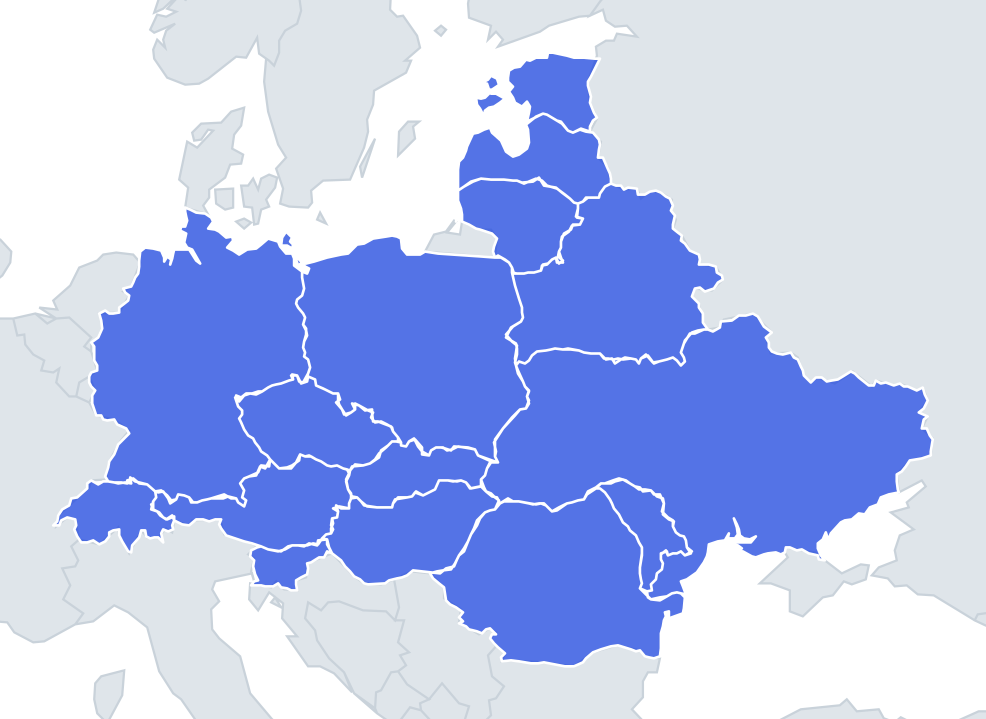
A country is shown. Which of the four options shares a border with it? It sounds easy until you get to the small ones.
Top scores
- The five fastest 100% rounds on this quiz.
Finish with 100% and post your time to get on the board – here or in full screen. All leaderboards
Your next quiz
 Middle East quiz17 countries
 Central & South Asia quiz13 countries
What's on this map
Sixteen countries from the Rhine to the Russian border, and almost every one of their borders has been redrawn in the last hundred years. After the First World War the empires of Austria-Hungary, Germany and Russia broke up, creating or restoring Poland, Czechoslovakia, Austria, Hungary and the three Baltic states. After 1945 Poland was moved bodily westwards: it lost its eastern lands to the Soviet Union and gained German territory up to the Oder and Neisse rivers. Czechoslovakia split peacefully in 1993, and the Soviet Union's collapse in 1991 turned Belarus, Ukraine, Moldova and the Baltics into independent states.
Germany has the most neighbours here – nine – though only four of them (Austria, Czechia, Poland and Switzerland) are on this map. Austria, Hungary, Poland and Ukraine each have seven or eight. At the other end, Liechtenstein, Moldova and Estonia have just two each.
The places people miss
- Austria – eight neighbours, second only to Germany: Germany, Czechia, Slovakia, Hungary, Slovenia, Italy, Switzerland and Liechtenstein.
- Moldova – touches only Romania and Ukraine, and has no coast; its access to the Danube is a stretch of riverbank only a few hundred metres long.
- Slovenia vs Slovakia – they do not touch. Austria and Hungary sit between them.
- Hungary and Ukraine – they share a short border in the far east of Hungary that people forget.
- Lithuania and Russia – the border is with Kaliningrad, a Russian exclave on the Baltic cut off from the rest of Russia.
- Liechtenstein – a doubly landlocked country: it is surrounded only by Switzerland and Austria, both landlocked themselves.
How to learn it
- Start with the hubs: Germany, Poland, Austria and Ukraine. Learn their neighbours clockwise and most of the map is covered.
- Then learn the corridors: the Baltic chain (Estonia – Latvia – Lithuania – Poland) and the Danube line (Germany – Austria – Slovakia – Hungary – Romania – Moldova – Ukraine).
- Check the pairs that do not touch: Slovenia–Slovakia, Czechia–Hungary, Belarus–Slovakia.
- Play the borders quiz until Austria's eight come out in one go.
Guides that help with this
- Oceans, seas, rivers and mountainsThe physical map: seas around each continent, the big rivers and ranges.
- Why you forget countries – and how spaced repetition fixes itThe forgetting curve, and how the Mistake Bank and flashcards use it.
- Flags that look alike (and how to tell them apart)Chad or Romania? Australia or New Zealand? The flag pairs that cost quiz points.
How it works
Only land borders count. The full list of neighbours is below if you want to study first.
Neighbours of every country in Central & Eastern Europe
| Country | Borders |
|---|---|
 Austria | Czechia, Germany, Hungary, Italy, Liechtenstein, Slovakia, Slovenia, Switzerland |
 Belarus | Latvia, Lithuania, Poland, Russia, Ukraine |
 Czechia | Austria, Germany, Poland, Slovakia |
 Estonia | Latvia, Russia |
 Germany | Austria, Belgium, Czechia, Denmark, France, Luxembourg, the Netherlands, Poland, Switzerland |
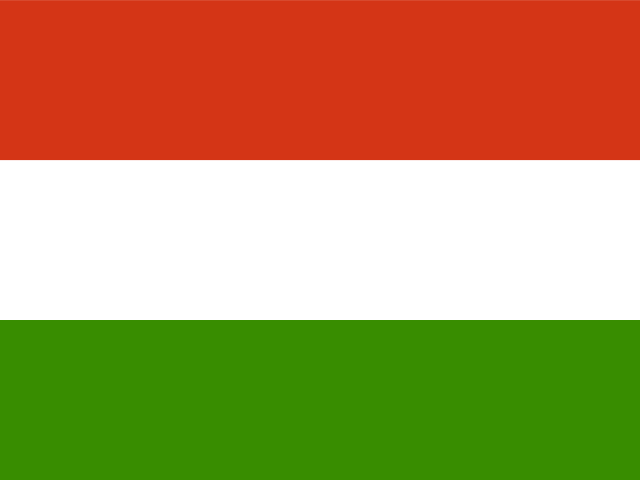 Hungary | Austria, Croatia, Romania, Serbia, Slovakia, Slovenia, Ukraine |
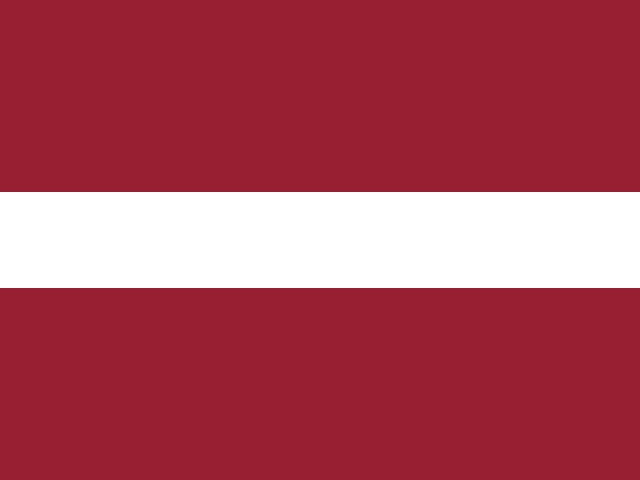 Latvia | Belarus, Estonia, Lithuania, Russia |
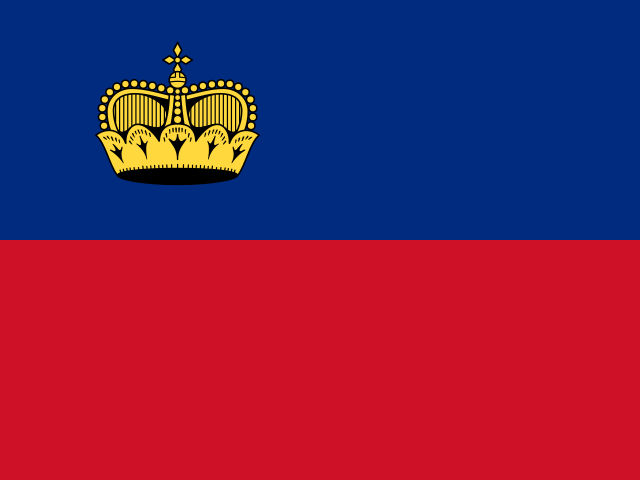 Liechtenstein | Austria, Switzerland |
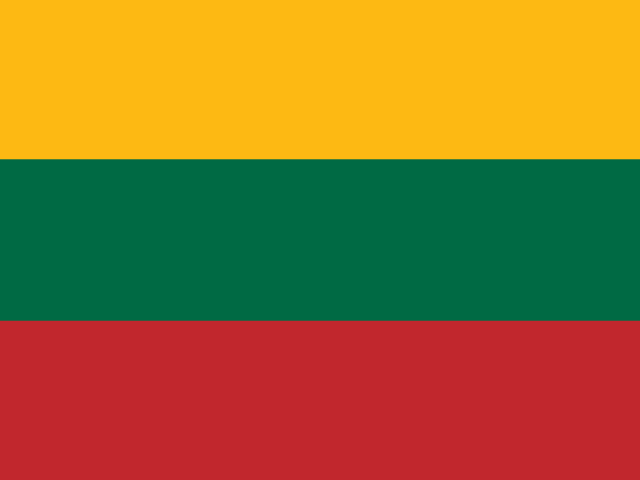 Lithuania | Belarus, Latvia, Poland, Russia |
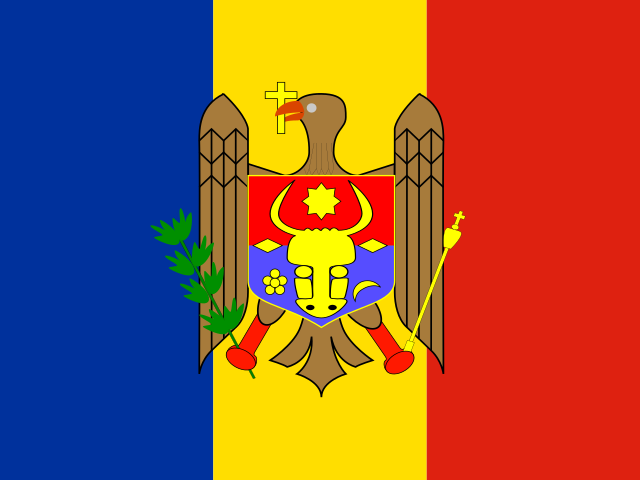 Moldova | Romania, Ukraine |
 Poland | Belarus, Czechia, Germany, Lithuania, Russia, Slovakia, Ukraine |
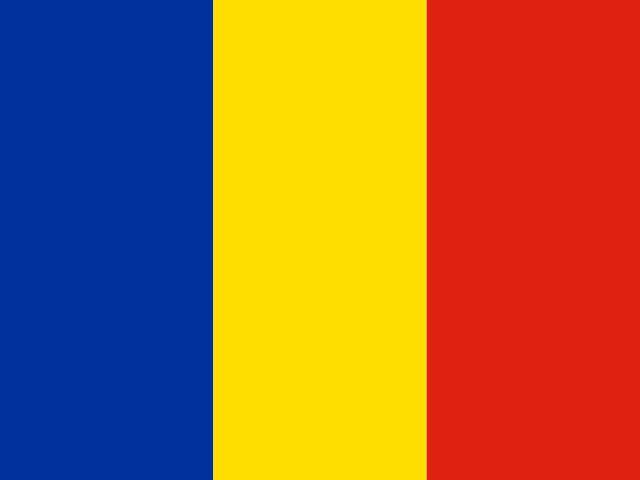 Romania | Bulgaria, Hungary, Moldova, Serbia, Ukraine |
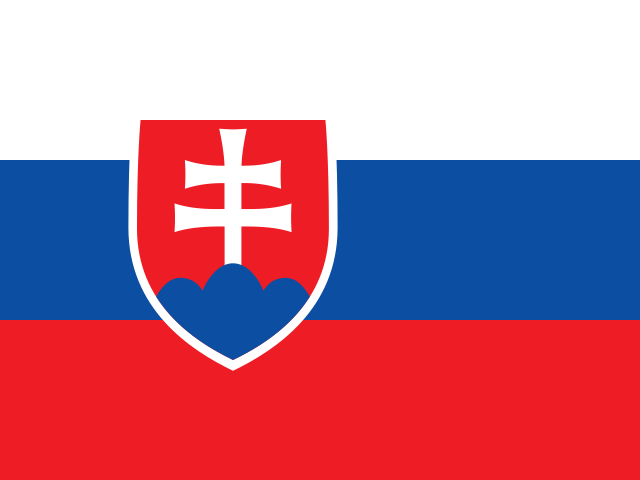 Slovakia | Austria, Czechia, Hungary, Poland, Ukraine |
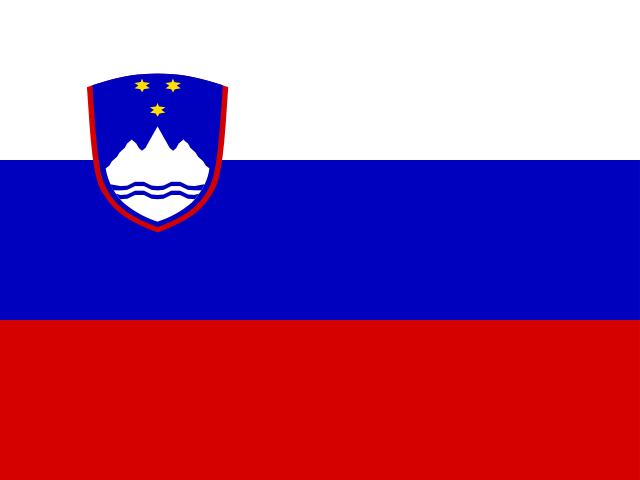 Slovenia | Austria, Croatia, Hungary, Italy |
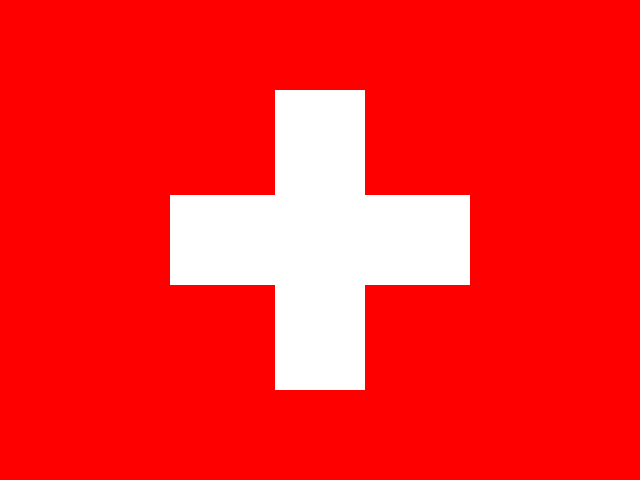 Switzerland | Austria, France, Germany, Italy, Liechtenstein |
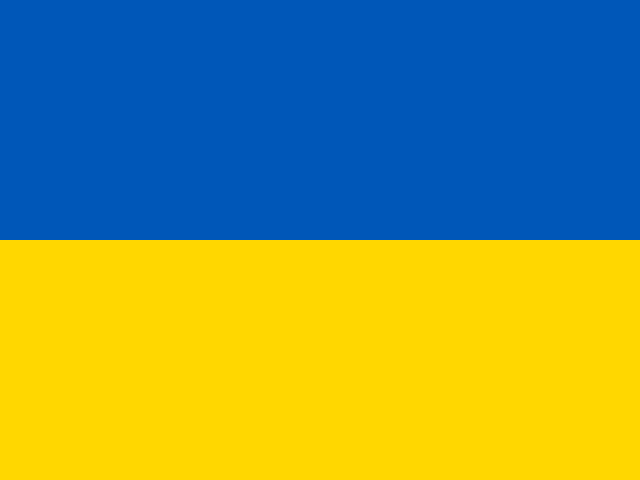 Ukraine | Belarus, Hungary, Moldova, Poland, Romania, Russia, Slovakia |