Europe capitals quiz
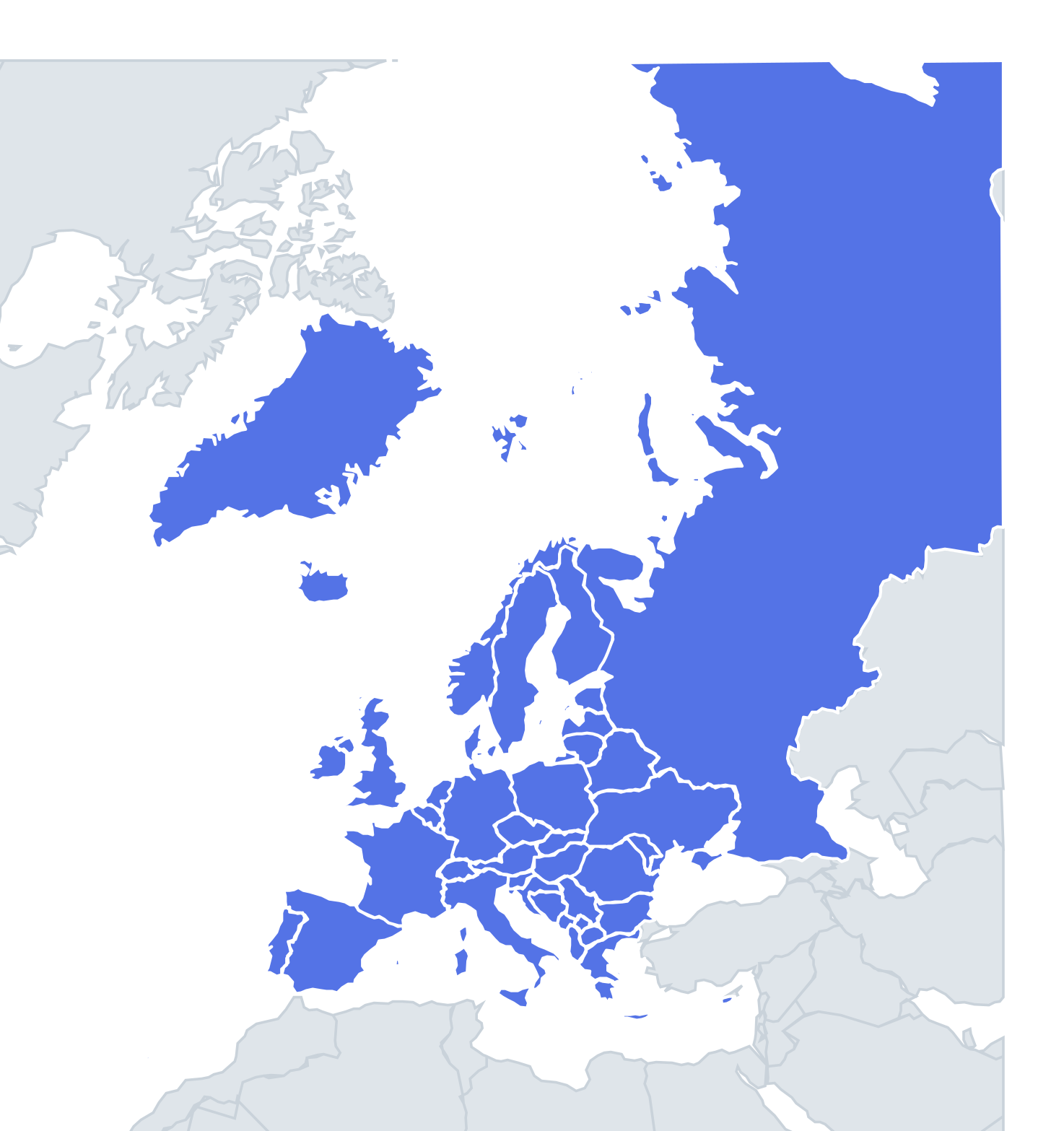
Can you place all 46 capitals of Europe on the map? A capital appears, you tap its dot. Three tries each, and the ones you miss come back until you know them.
Top scores
- The five fastest 100% rounds on this quiz.
Finish with 100% and post your time to get on the board – here or in full screen. All leaderboards
Your next quiz
 Africa quiz54 countries
 Asia quiz48 countries
What's on this map
Forty-six capitals, from Reykjavik in the north-west to Moscow in the east and Valletta in the south. Most are the largest city in their country, which makes the exceptions easy to learn as a list. Bern is Switzerland's "federal city" rather than an official capital – the Swiss constitution names no capital at all – and Zurich and Geneva are both bigger. Amsterdam is the capital of the Netherlands under the constitution, but the government, parliament and king sit in The Hague. Vaduz is smaller than Schaan in Liechtenstein, and Valletta is one of the smallest capitals in Europe by population.
Several capitals have changed name or spelling recently. Kyiv is the Ukrainian spelling, now standard in English instead of the Russian-based Kiev. Chișinău in Moldova was Kishinev in Russian times. Podgorica was called Titograd from 1946 to 1992.
The places people miss
- Bratislava vs Ljubljana – Slovakia and Slovenia. Bratislava is on the Danube next to Austria, just 60 km from Vienna; Ljubljana sits in the middle of Slovenia.
- Podgorica (Montenegro) – not Cetinje, the old royal capital, which keeps the title "Old Royal Capital" in the constitution.
- Skopje (North Macedonia) and Pristina (Kosovo) – two Balkan capitals close together; Pristina is north of Skopje.
- Chișinău (Moldova) – the ș is pronounced "sh" and the ă like the a in "about": kee-shee-NOW.
- Tallinn, Riga, Vilnius – north to south through the Baltic states. Tallinn has a double l and double n.
- Andorra la Vella – the highest capital in Europe, at over 1,000 m in the Pyrenees.
- Nicosia (Cyprus) – the last divided capital in Europe, split by the UN buffer zone since 1974. The Republic of Cyprus governs the south; the north is administered by the Turkish Cypriot authorities, recognised only by Turkey.
How to learn it
- Start with the 30 or so you already know, and find the 15 that slow you down.
- Learn the Balkans as a chain from north-west to south-east: Ljubljana, Zagreb, Sarajevo, Belgrade, Podgorica, Pristina, Skopje, Tirana, Sofia, Athens.
- Learn the Baltic trio and the micro-states as separate flashcard sets.
- Use the Mistake Bank until only one or two capitals remain, then type all 46 from memory.
Guides that help with this
- Oceans, seas, rivers and mountainsThe physical map: seas around each continent, the big rivers and ranges.
- Why you forget countries – and how spaced repetition fixes itThe forgetting curve, and how the Mistake Bank and flashcards use it.
- Flags that look alike (and how to tell them apart)Chad or Romania? Australia or New Zealand? The flag pairs that cost quiz points.
How it works
Play it as a normal quiz, beat the 60-second clock, type the answers, or try Name them all: type every capital you can remember before time runs out.
All 46 capitals of Europe
| Country | Capital |
|---|---|
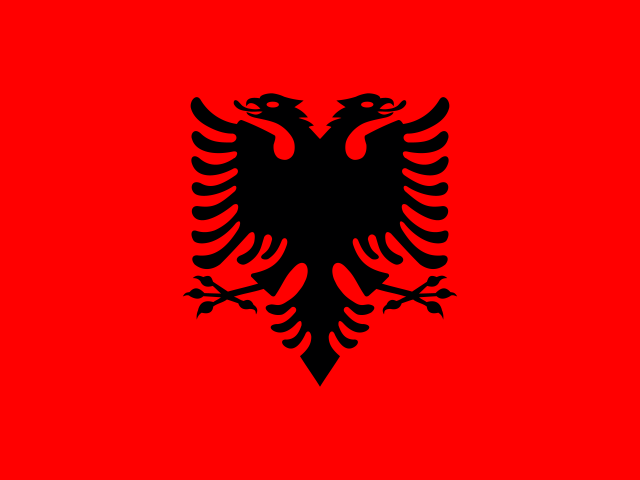 Albania | Tirana |
 Andorra | Andorra la Vella |
 Austria | Vienna |
 Belarus | Minsk |
 Belgium | Brussels |
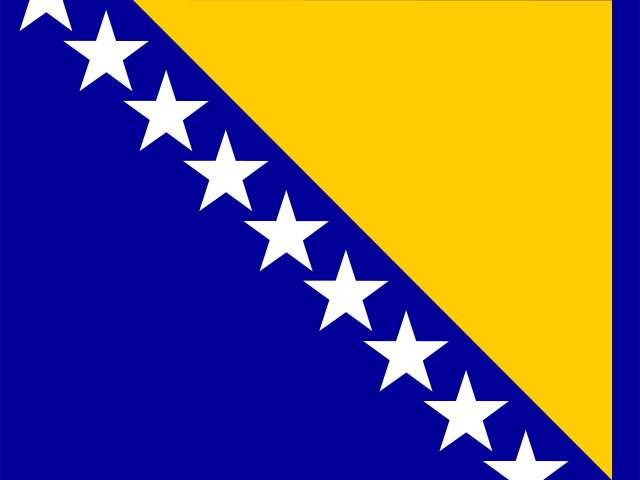 Bosnia and Herzegovina | Sarajevo |
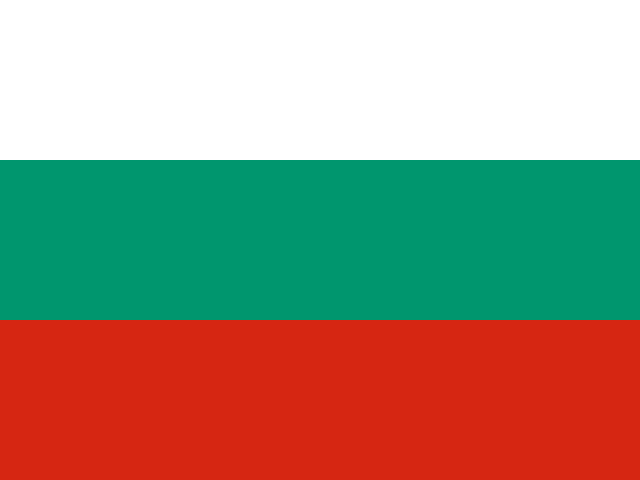 Bulgaria | Sofia |
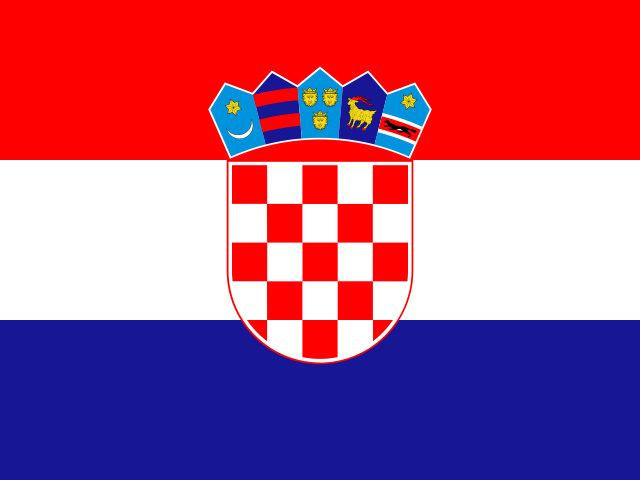 Croatia | Zagreb |
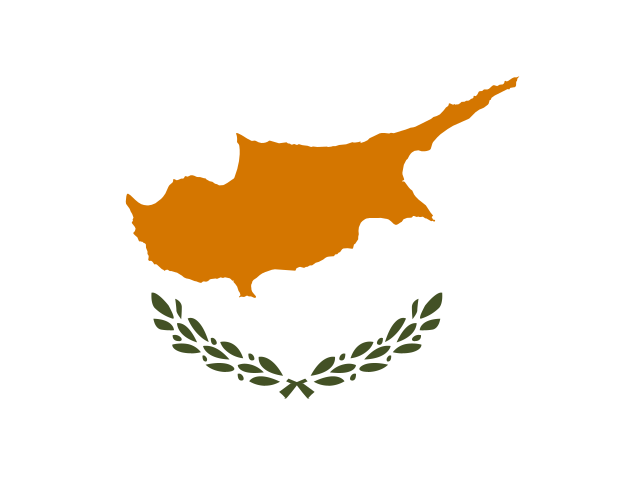 Cyprus | Nicosia |
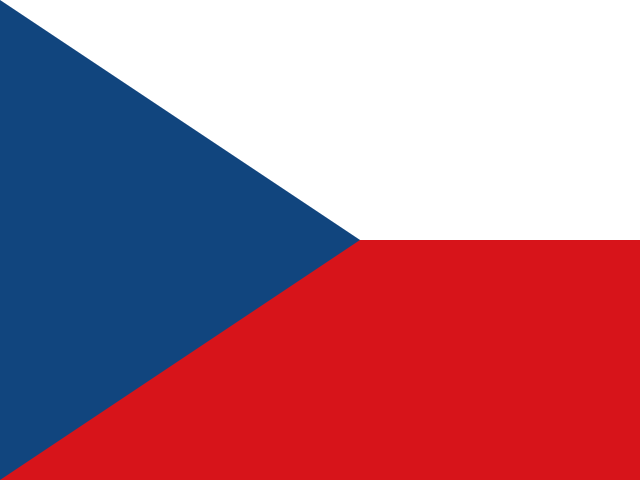 Czechia | Prague |
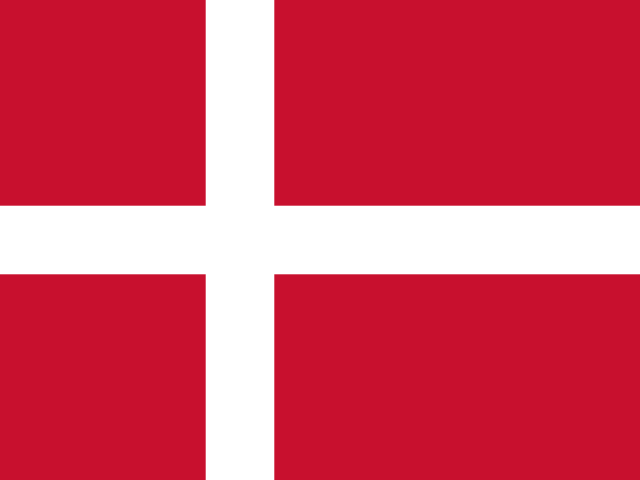 Denmark | Copenhagen |
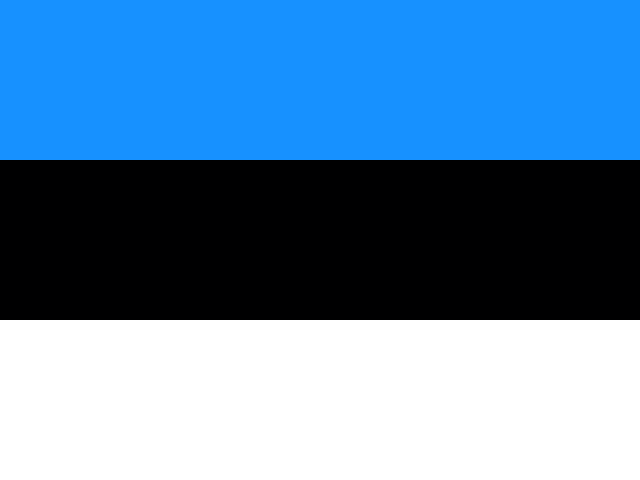 Estonia | Tallinn |
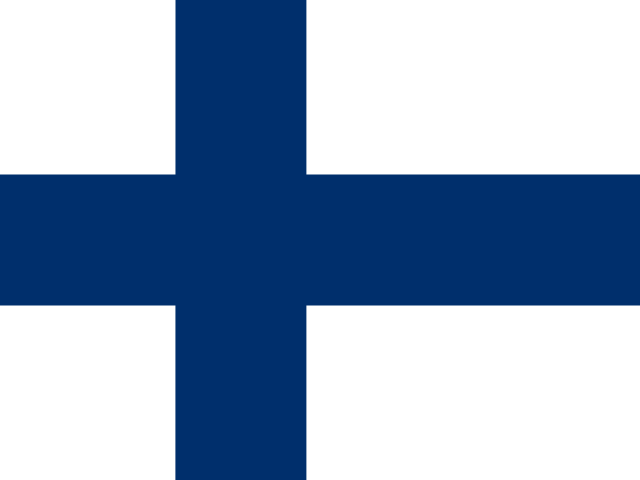 Finland | Helsinki |
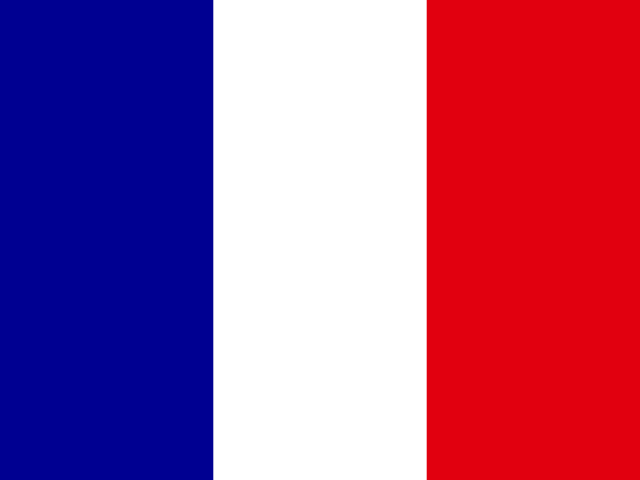 France | Paris |
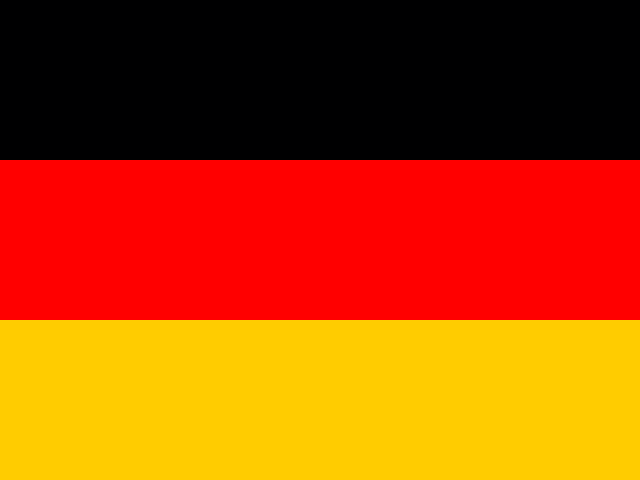 Germany | Berlin |
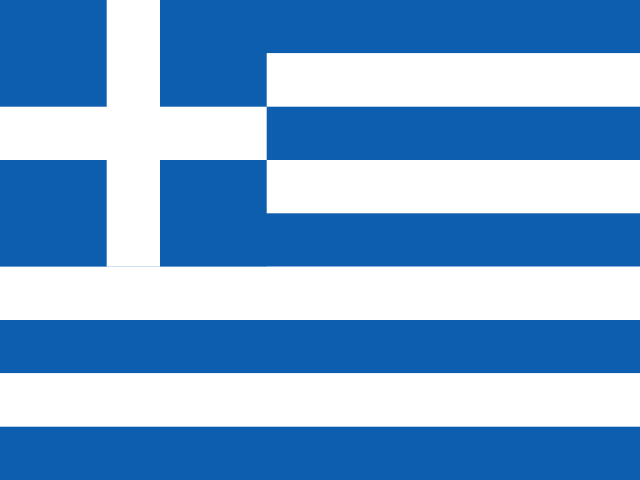 Greece | Athens |
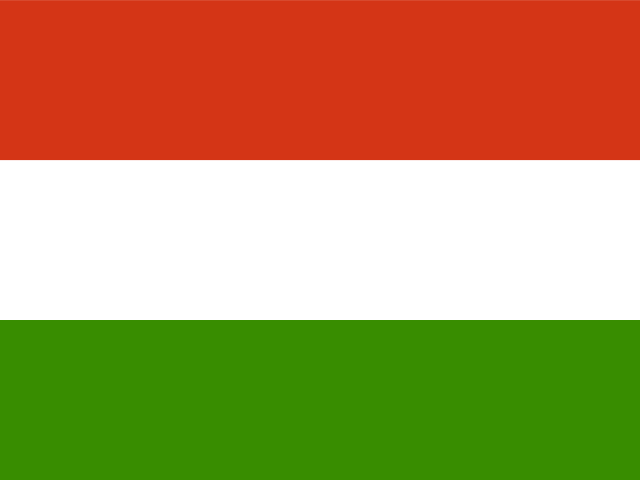 Hungary | Budapest |
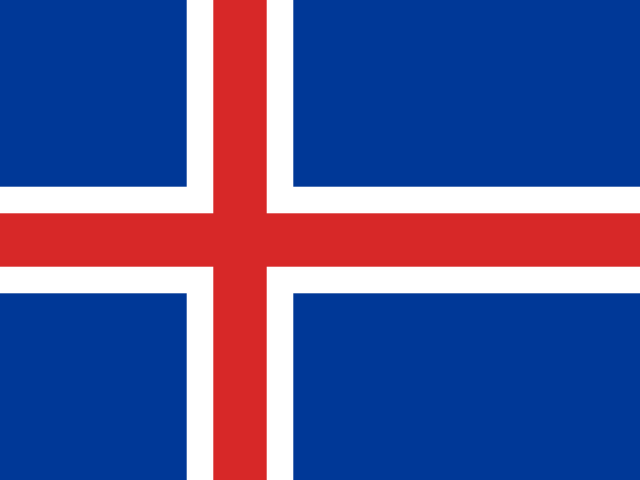 Iceland | Reykjavik |
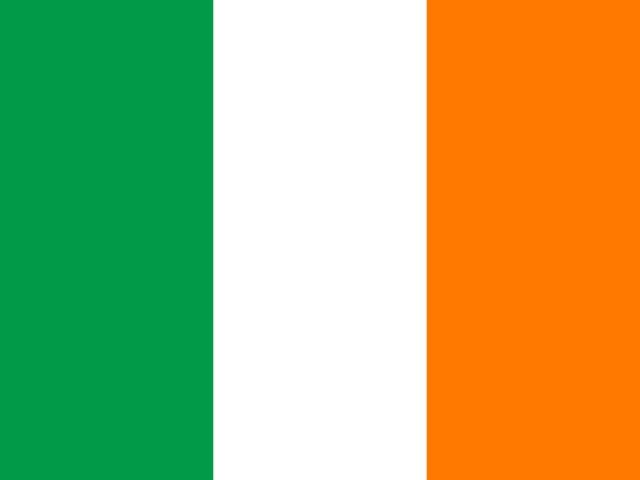 Ireland | Dublin |
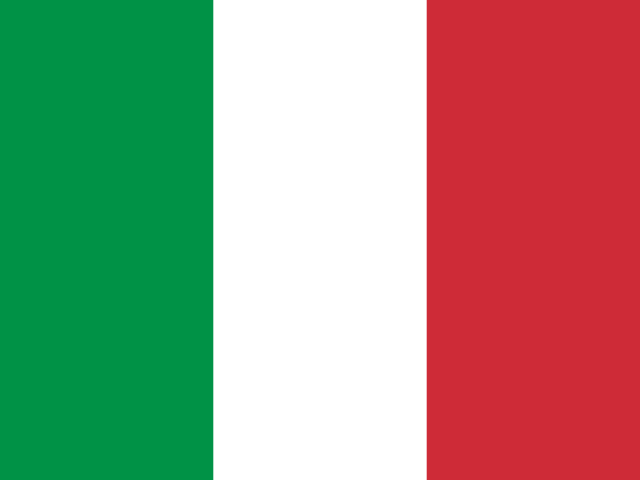 Italy | Rome |
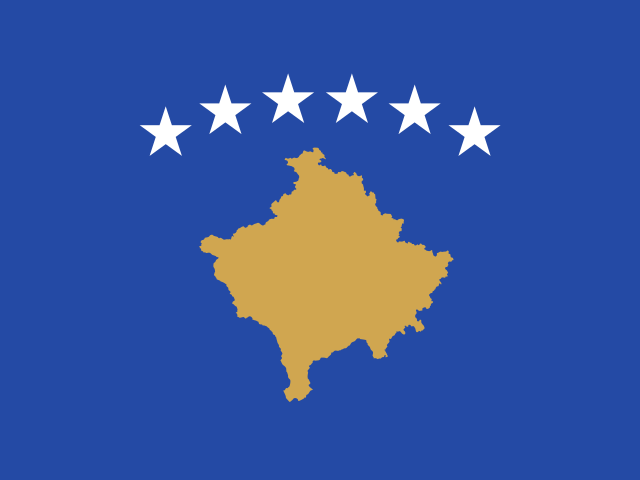 Kosovo | Pristina |
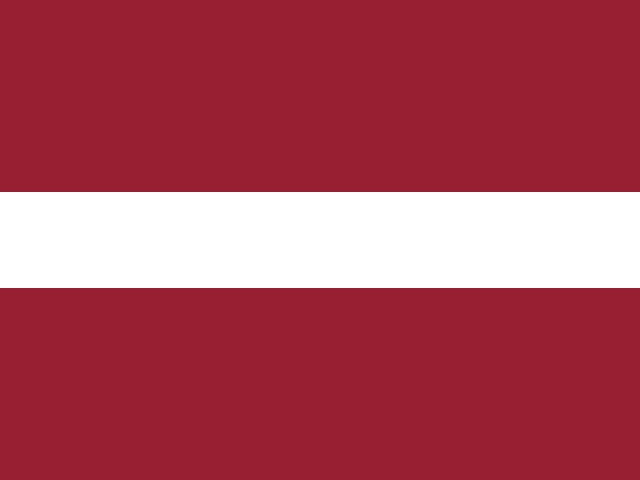 Latvia | Riga |
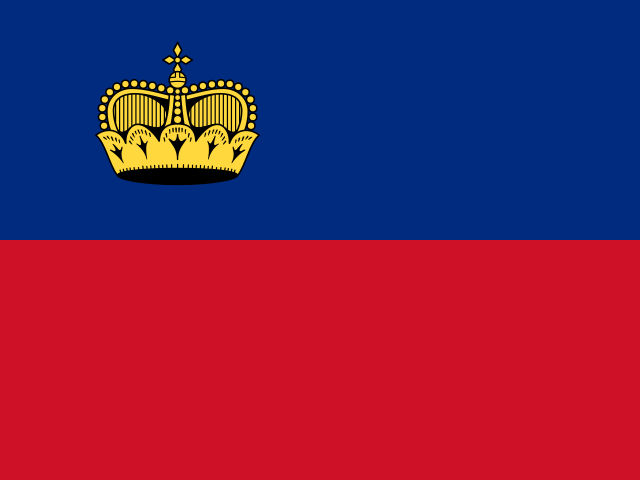 Liechtenstein | Vaduz |
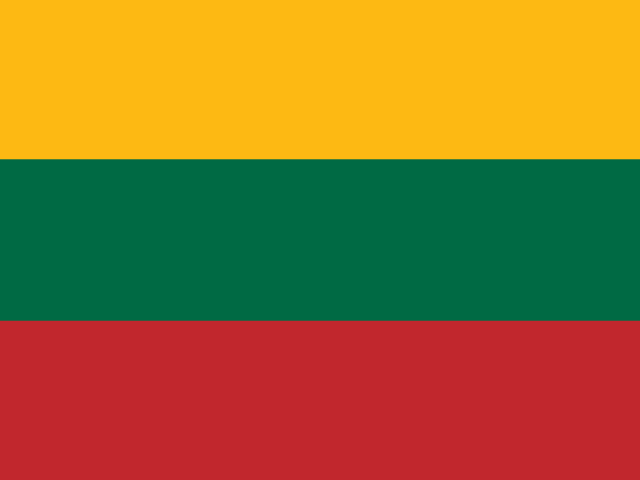 Lithuania | Vilnius |
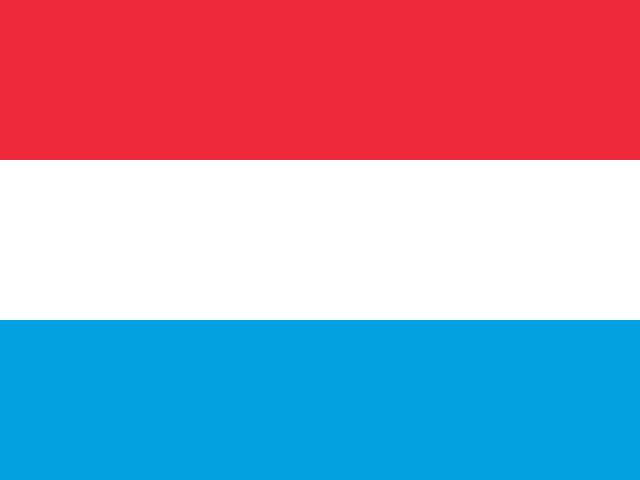 Luxembourg | Luxembourg |
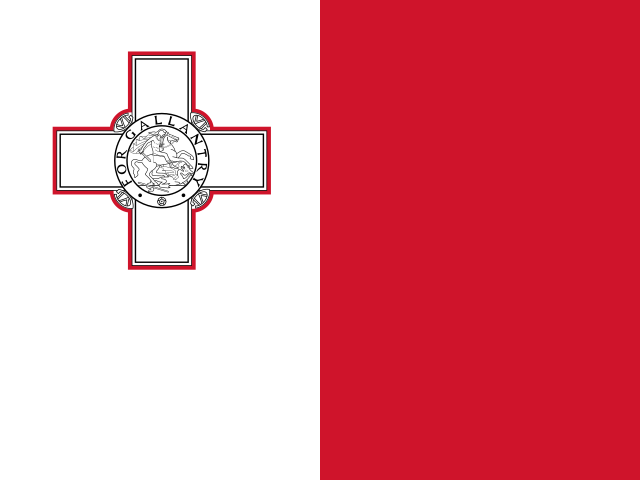 Malta | Valletta |
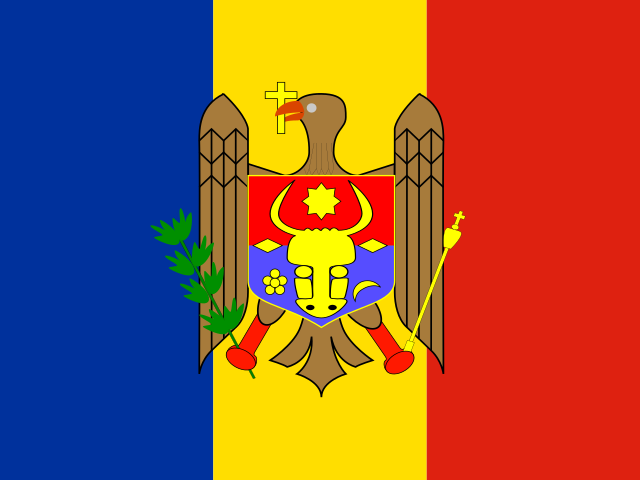 Moldova | Chișinău |
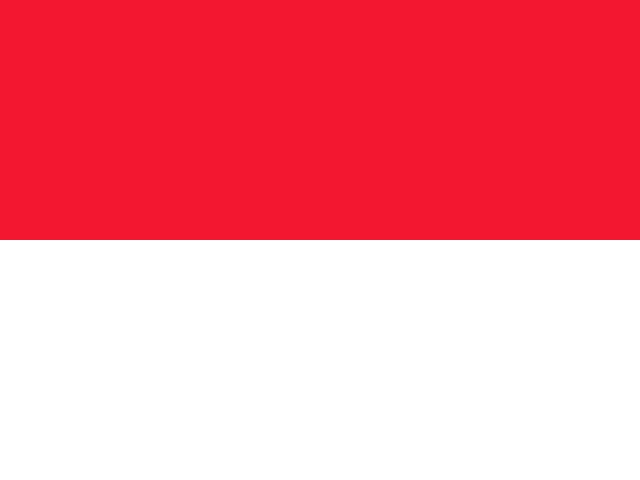 Monaco | Monaco |
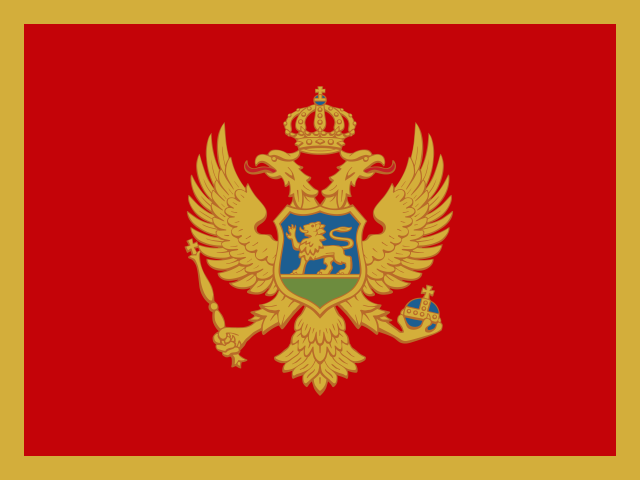 Montenegro | Podgorica |
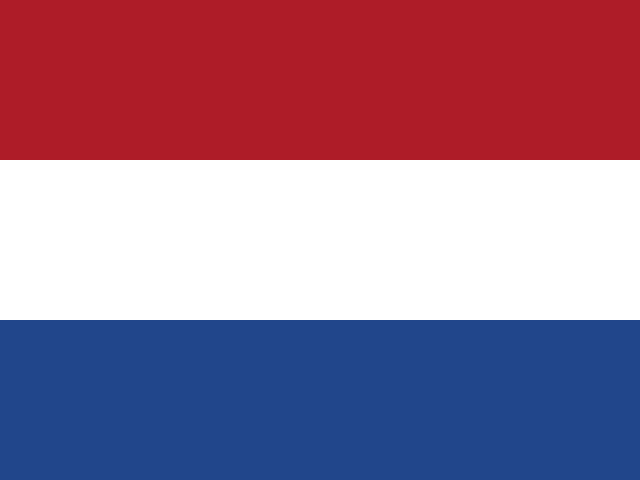 Netherlands | Amsterdam |
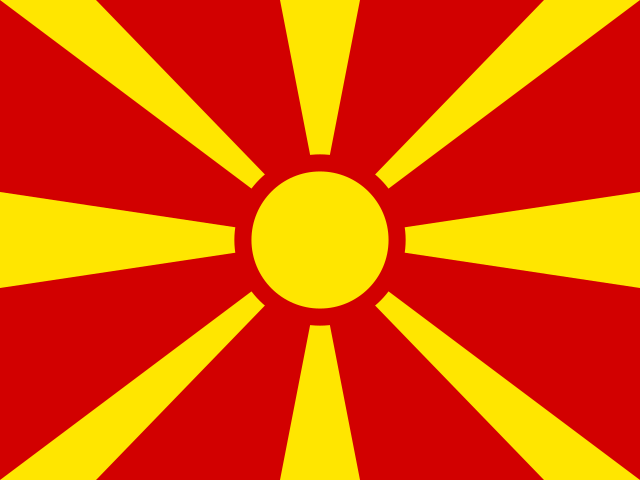 North Macedonia | Skopje |
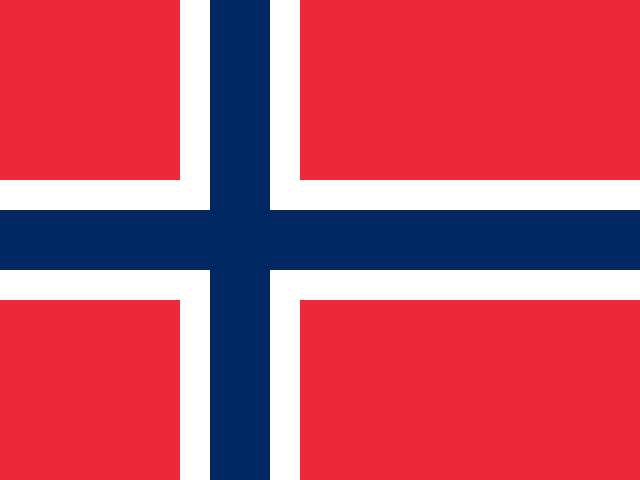 Norway | Oslo |
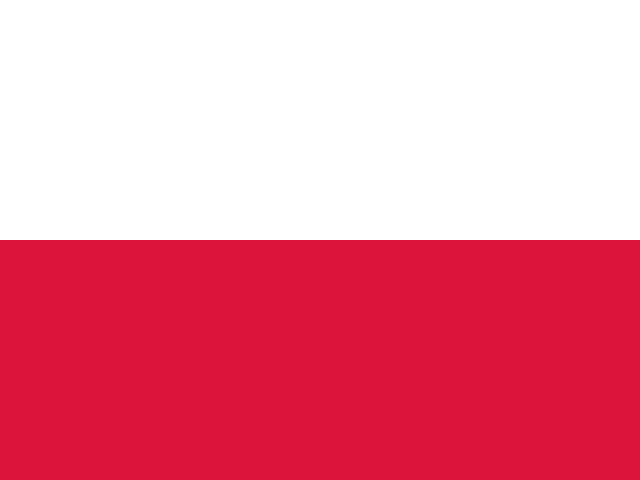 Poland | Warsaw |
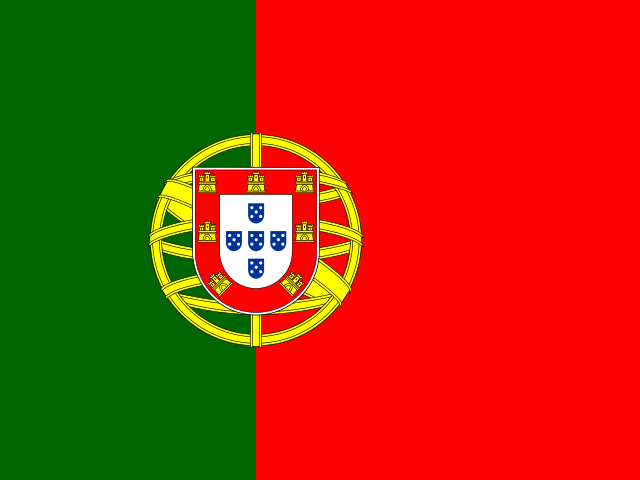 Portugal | Lisbon |
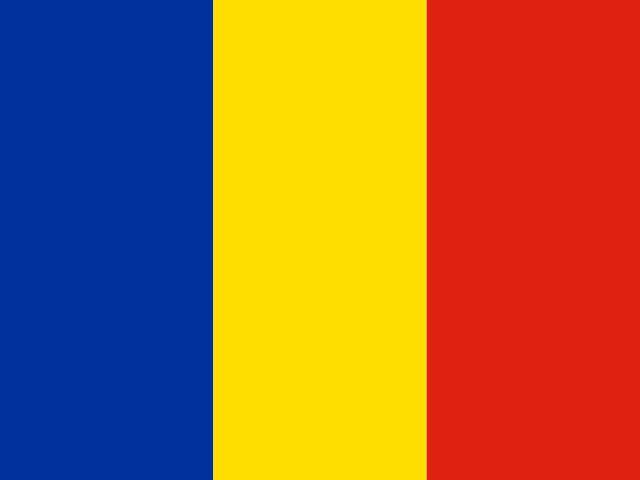 Romania | Bucharest |
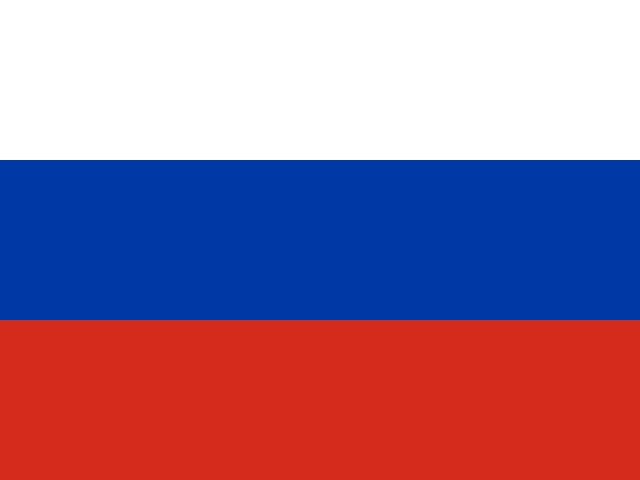 Russia | Moscow |
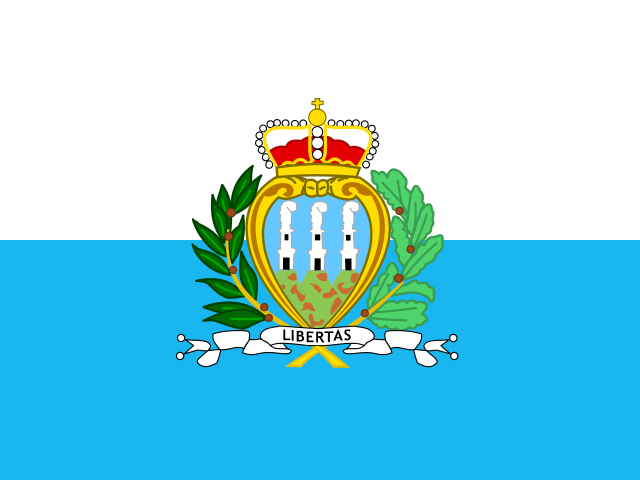 San Marino | San Marino |
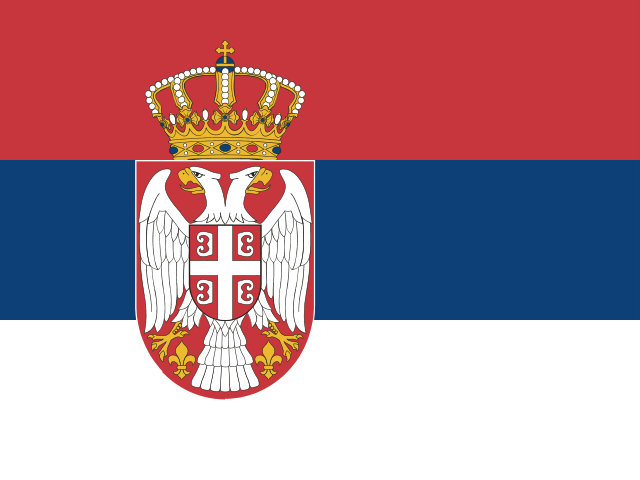 Serbia | Belgrade |
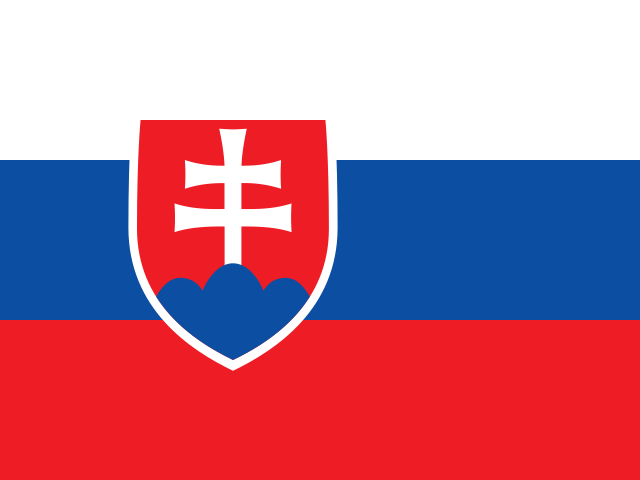 Slovakia | Bratislava |
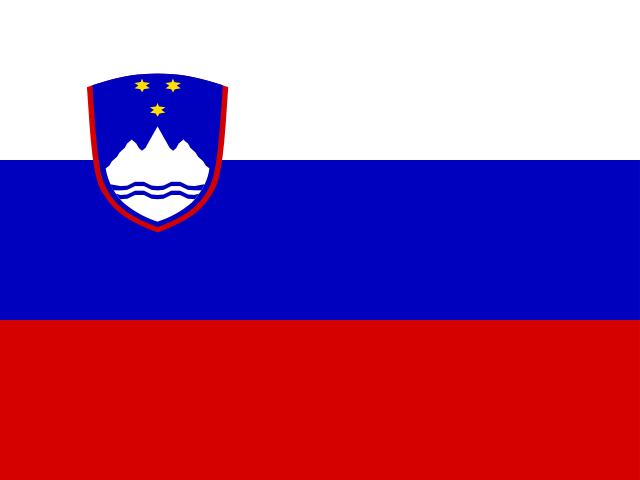 Slovenia | Ljubljana |
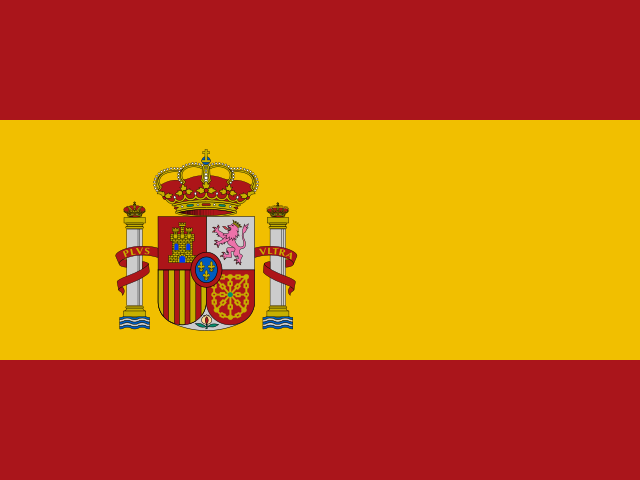 Spain | Madrid |
 Sweden | Stockholm |
 Switzerland | Bern |
 Ukraine | Kyiv |
 United Kingdom | London |
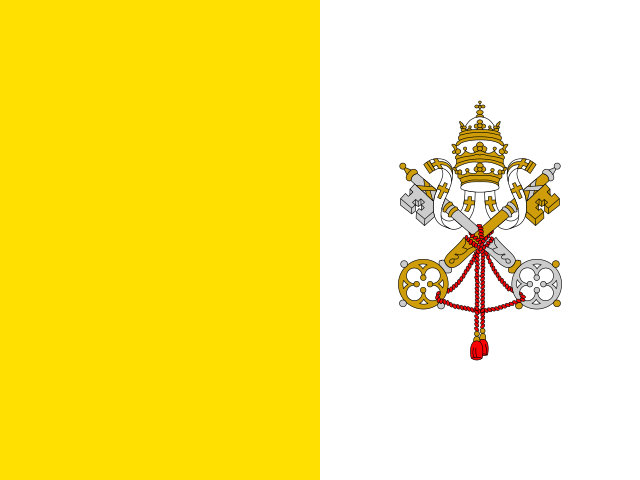 Vatican City | Vatican City |