German States capitals quiz
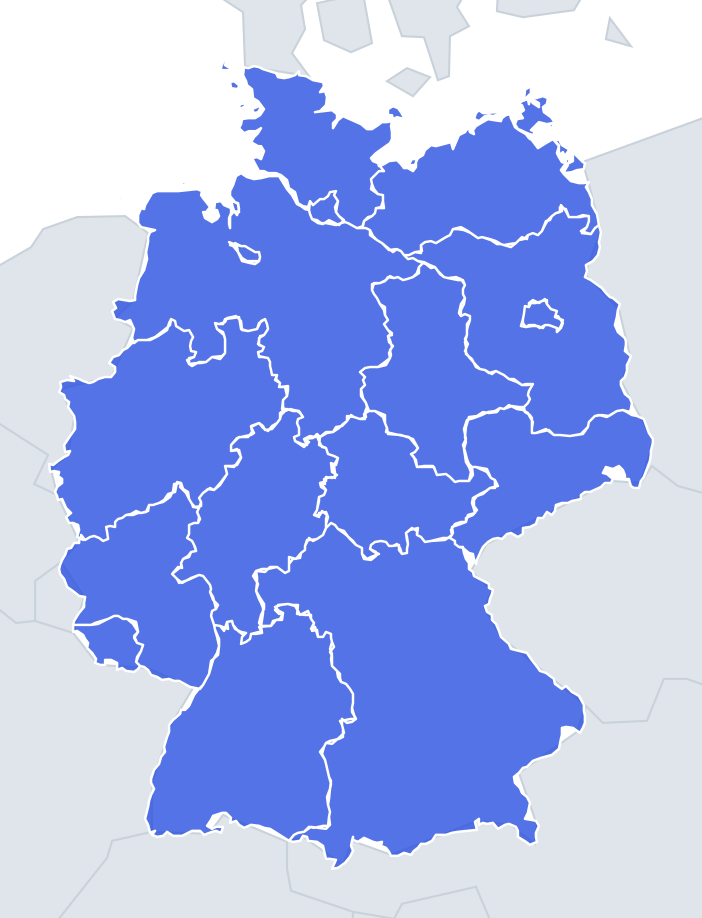
Can you place all 16 capitals of German States on the map? A capital appears, you tap its dot. Three tries each, and the ones you miss come back until you know them.
Top scores
- The five fastest 100% rounds on this quiz.
Finish with 100% and post your time to get on the board – here or in full screen. All leaderboards
Your next quiz
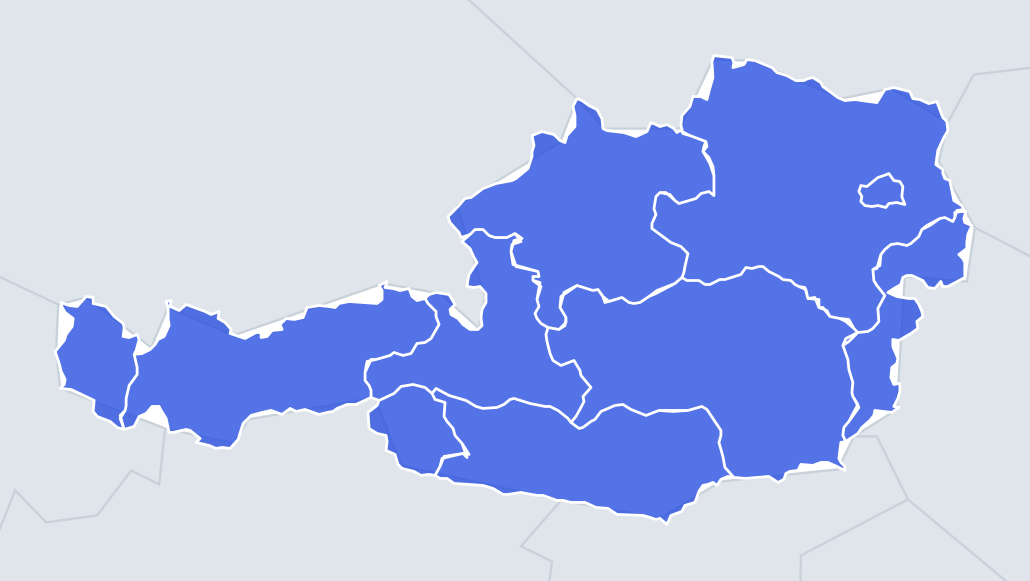 Austrian States quiz9 states
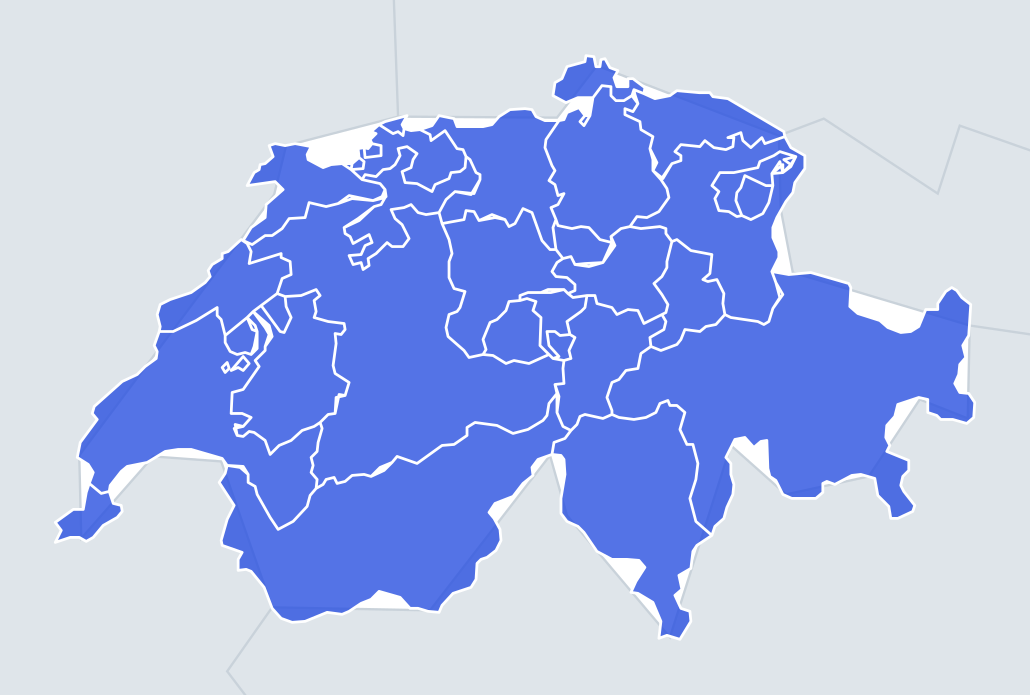 Swiss Cantons quiz26 cantons
What's on this map
Germany's 16 states, or Länder, each with its state capital. Three of them are city-states – Berlin, Hamburg and Bremen – where the city is the state, so the capital answers itself. That leaves 13 capitals to learn, and in about a third of them the biggest city in the state is not the capital – Cologne, Frankfurt, Leipzig and Rostock all miss out.
The reason is mostly history. After 1945 the occupying powers drew several new states, and the capital often went to whichever city had the old administration. North Rhine-Westphalia was created by the British in 1946 and given Düsseldorf. Hesse took Wiesbaden, the old capital of the Duchy of Nassau, rather than Frankfurt. Lower Saxony grew out of the Kingdom of Hanover, so Hanover was the natural choice. In the east, the five states abolished by the GDR in 1952 were restored in 1990, and they mostly picked their historic seats: Dresden for Saxony, Schwerin for Mecklenburg-Western Pomerania.
The places people miss
- Hesse – Wiesbaden – Frankfurt is the banking city with the skyline; Wiesbaden is the spa town on the Rhine.
- North Rhine-Westphalia – Düsseldorf – Cologne is larger and better known. Memory hook: the two rivals are 40 km apart on the same river.
- Rhineland-Palatinate – Mainz – Mainz and Wiesbaden face each other across the Rhine, two state capitals within sight of each other.
- Mecklenburg-Western Pomerania – Schwerin – not Rostock, the state's largest city. Schwerin is the smallest state capital in Germany and has a fairy-tale castle on a lake.
- Saxony-Anhalt – Magdeburg – Halle is a similar size; Magdeburg won in 1990.
- Schleswig-Holstein – Kiel – not Lübeck. Kiel is the naval port at the end of the Kiel Canal.
- Brandenburg – Potsdam – the city of Sanssouci palace, just southwest of Berlin.
How to learn it
- Remove the three city-states first, then the easy four: Munich, Stuttgart, Dresden, Hanover.
- Learn the Rhine pair together: Mainz and Wiesbaden, then Düsseldorf further downstream.
- Put Schwerin, Magdeburg, Kiel, Erfurt and Saarbrücken on flashcards.
- Use Type the answers once Find on the map is clean; spelling Saarbrücken and Düsseldorf from memory is the real test.
- Done means 16 of 16 twice in a row.
Guides that help with this
- Oceans, seas, rivers and mountainsThe physical map: seas around each continent, the big rivers and ranges.
- Why you forget countries – and how spaced repetition fixes itThe forgetting curve, and how the Mistake Bank and flashcards use it.
- Flags that look alike (and how to tell them apart)Chad or Romania? Australia or New Zealand? The flag pairs that cost quiz points.
How it works
Play it as a normal quiz, beat the 60-second clock, type the answers, or try Name them all: type every capital you can remember before time runs out.
All 16 capitals of German States
| State | Capital |
|---|---|
| Baden-Württemberg | Stuttgart |
| Bavaria | Munich |
| Berlin | Berlin |
| Brandenburg | Potsdam |
| Free Hanseatic Bremen | Bremen |
| Hamburg | Hamburg |
| Hesse | Wiesbaden |
| Lower Saxony | Hanover |
| Mecklenburg-Western Pomerania | Schwerin |
| North Rhine-Westphalia | Düsseldorf |
| Rhineland-Palatinate | Mainz |
| Saarland | Saarbrücken |
| Saxony | Dresden |
| Saxony-Anhalt | Magdeburg |
| Schleswig-Holstein | Kiel |
| Thuringia | Erfurt |