Guatemala
Capital: Guatemala City. Guatemala is one of the 23 countries in the North America quiz.
Quick answers: What is the capital of Guatemala? · Which countries border Guatemala?
Facts about Guatemala
- CapitalGuatemala City
- Population18.7 million
- Area108,889 km²
- RegionsNorth America, Central America
- LanguageSpanish
- CurrencyGuatemalan quetzal (GTQ)
Guatemala is the 4th most populous of the 23 countries in North America and the 7th largest by area. Worldwide it ranks 70th by population and 105th by area.
Where is Guatemala?
Guatemala is the northernmost country of Central America, directly south of Mexico. Belize lies to its north-east, and Honduras and El Salvador to the south-east. It has a long Pacific coastline to the south-west and a short Caribbean coastline in the east, on the Gulf of Honduras. The capital, Guatemala City, is in the southern highlands and is the largest city in Central America.
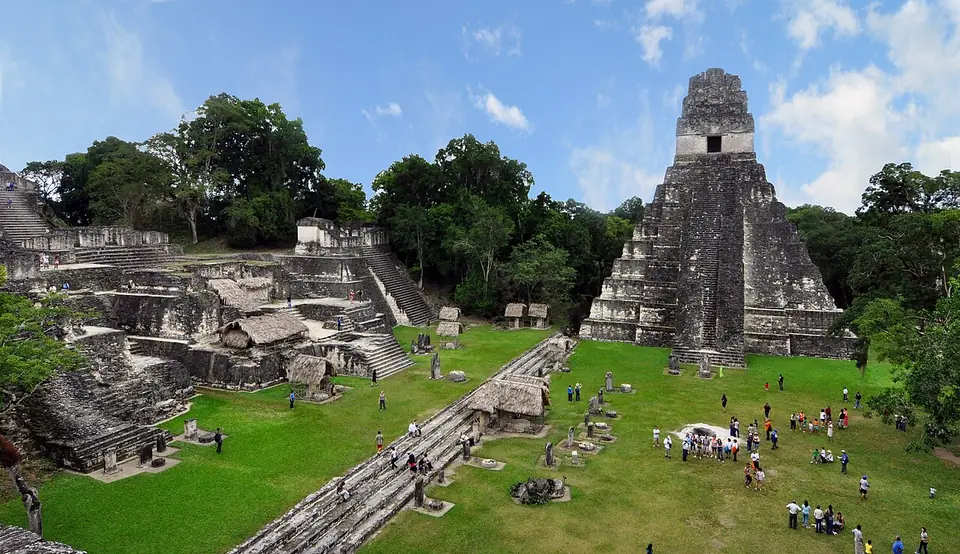
The country is dominated by volcanic mountains in the south and the flat, forested Petén lowlands in the north, where the great Maya city of Tikal lies.
How to find Guatemala on the map
- Start from Mexico. Follow Mexico's southern border eastward. The first country you reach, below the Yucatán peninsula, is Guatemala.
- Look for the square top. Guatemala's northern border with Mexico is a straight line, giving the country a blocky shape at the top.
- Belize is the small strip to the east. If you've tapped a narrow coastal country on the Caribbean, that's Belize; Guatemala is the bigger one beside it.
- It touches both oceans. Guatemala has a wide Pacific side and a tiny Caribbean side, unlike El Salvador, which has only the Pacific.
Flag
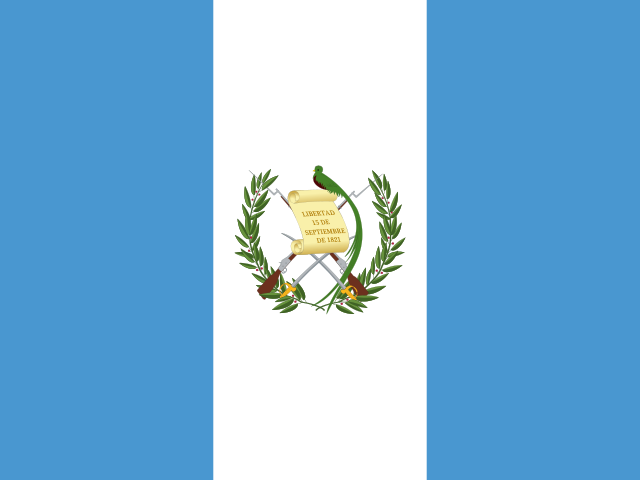
Guatemala's flag has three vertical bands – sky blue, white, sky blue – with the national coat of arms in the centre. The arms show a quetzal, the national bird, perched on a scroll bearing the date of Central American independence, 15 September 1821, with crossed rifles and swords and a laurel wreath.
The blue-white-blue pattern is shared with other former members of the Central American federation, but Guatemala is the only one with vertical bands. Honduras, El Salvador and Nicaragua all use horizontal stripes. Vertical plus a bird equals Guatemala.
A short history of Guatemala
Guatemala lies at the heart of the Maya world. Long before Tikal's peak, the city of El Mirador in the northern lowlands built some of the largest pyramids ever raised, over 2,000 years ago, and Kaminaljuyú stood where Guatemala City is today. After the great lowland cities declined around AD 900, power shifted to the highlands, where the K'iche' and Kaqchikel kingdoms competed for land.
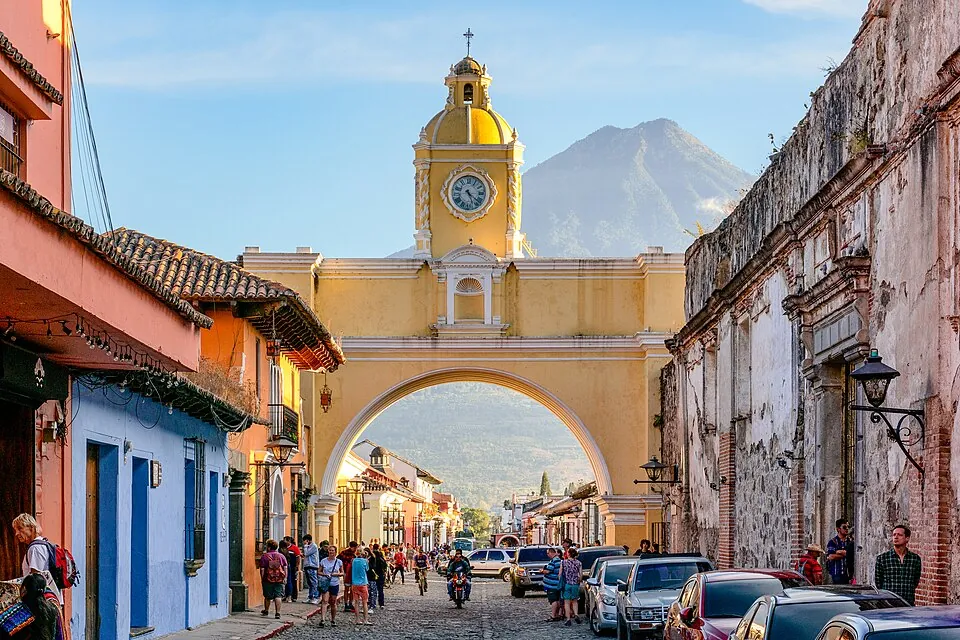
Spanish forces under Pedro de Alvarado invaded in 1524, using rivalries between Maya kingdoms to their advantage. Guatemala became the seat of a Spanish captaincy-general governing most of Central America. Its capital, Santiago de los Caballeros – today's Antigua – was wrecked by earthquakes in 1773, so the government moved to a new site that became Guatemala City.
Central America declared independence from Spain in 1821, briefly joined Mexico, then formed a federation that broke apart around 1840. Through the late 1800s, liberal governments turned the highlands over to coffee, often taking communal Maya land and forcing people to work on plantations. In the early 1900s the American United Fruit Company became hugely powerful.
A revolution in 1944 brought ten years of democracy and land reform. In 1954 a CIA-backed coup overthrew the elected president, Jacobo Árbenz, and a series of military governments followed. A civil war lasted from 1960 to 1996, and around 200,000 people were killed or disappeared, most of them Maya civilians in the highlands. Peace accords signed in 1996 ended the fighting.
Guatemala today has the largest economy in Central America, exporting coffee, bananas, sugar and cardamom, of which it is one of the world's biggest producers. Money sent home by Guatemalans in the United States is also vital. Guatemala maintains a long-standing territorial claim to Belize, while Belize regards its borders as settled; the two neighbours have taken the dispute to the International Court of Justice.
Culture and daily life in Guatemala
Roughly four in ten Guatemalans are Maya, making it one of the most Indigenous countries in the Americas. Spanish is the official language, but K'iche', Q'eqchi', Kaqchikel and Mam are spoken by hundreds of thousands, and the Garifuna and Xinca peoples add their own languages. Most people are Catholic, though evangelical churches have grown fast. In Santiago Atitlán, local Maya honour Maximón, a cigar-smoking folk saint who blends Catholic and Maya belief.
The Popol Vuh, the sacred book of the K'iche', tells the Maya story of creation and is one of the most important texts of the Americas. In modern times Miguel Ángel Asturias won the Nobel Prize in Literature in 1967, and Rigoberta Menchú, a K'iche' activist, won the Nobel Peace Prize in 1992.
The marimba, a wooden xylophone, is the national instrument and plays at nearly every celebration. The market at Chichicastenango, where traders sell textiles, masks and incense beside a colonial church, is one of the most famous in Central America.
Five facts worth knowing
- Guatemala is the most populous country in Central America, with nearly 19 million people.
- Tikal, in the Petén jungle, was one of the greatest Maya cities; its temples still rise above the forest canopy.
- Tajumulco volcano is the highest point in Central America at over 4,200 metres.
- Lake Atitlán, ringed by three volcanoes, is often called one of the most beautiful lakes in the world.
- The currency is the quetzal, named after the same bird that appears on the flag.
Culture and traditions in Guatemala
- Saying hello
"Buenos días" with a handshake; friends often greet with a kiss on the cheek.
- Food and drink
Pepián, a rich spiced meat stew; tamales; locally grown coffee.
- Festivals and traditions
Semana Santa in Antigua, with colourful sawdust carpets; giant kite festivals in Sumpango on 1 November.
- Everyday life
More than 20 Mayan languages are spoken, and many people wear traditional handwoven clothing (traje).
- Did you know?
The giant kites of Sumpango, made for Day of the Dead, can be over 15 metres across.
Common mistakes
- Tapping Honduras or El Salvador, the neighbours to the south-east.
- Tapping Belize – a common slip because it sits in Guatemala's corner.
- Choosing a horizontal blue-white-blue flag in the Flags quiz when Guatemala's is vertical.
Practise with Guatemala
- Central America quiz – the zoomed-in map shows all seven countries clearly, with Guatemala at the top.
- North America quiz – Central America belongs here; find Mexico and go south.
- North America flags – learn to separate the four blue-white-blue flags.
- North America capitals quiz – Guatemala City.
- Mystery Country – a blocky shape with a straight northern edge and a Pacific coast running south-east.
Nearby countries
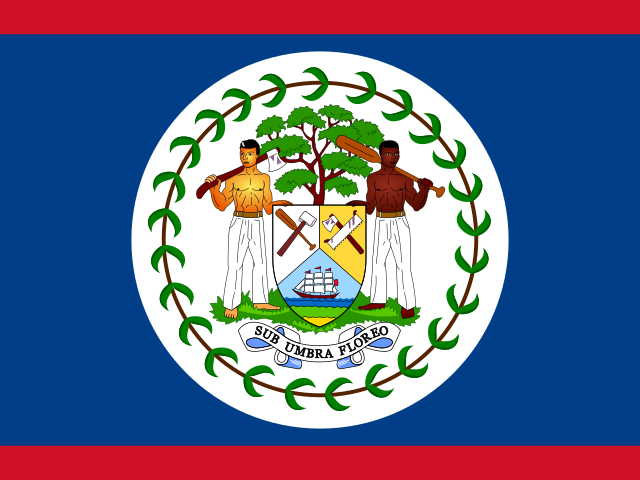 BelizeBelmopan
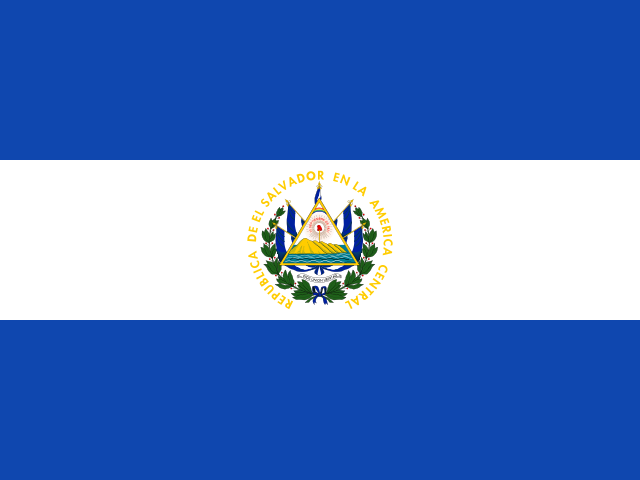 El SalvadorSan Salvador
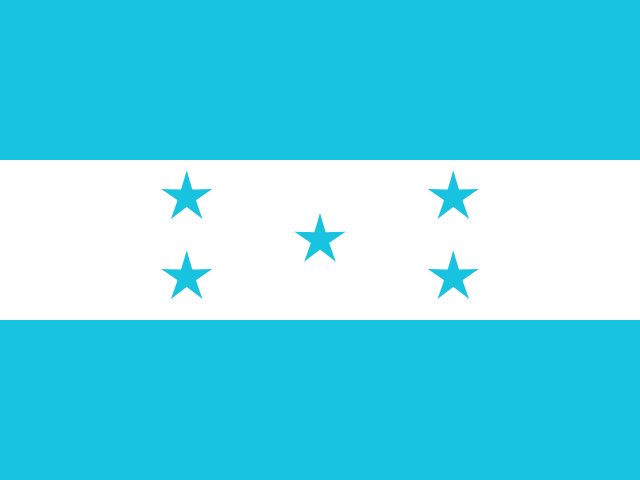 HondurasTegucigalpa
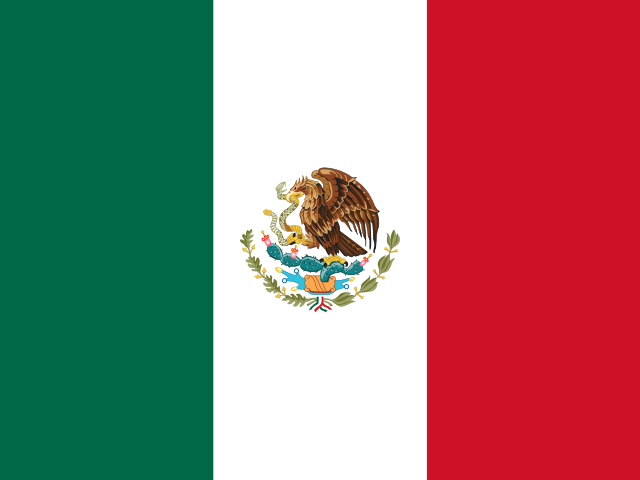 MexicoMexico City
Quick check: how well do you know Guatemala?
3 questions, no sign-up. Tap an answer.
1. Which flag belongs to Guatemala?
That's the flag of Guatemala.
2. What is the capital of Guatemala?
The capital of Guatemala is Guatemala City.
3. Which of these countries borders Guatemala?
Belize, El Salvador, Honduras and Mexico border Guatemala.
Keep going on the North America quiz – Guatemala is one of 23 countries there.
More ways to practise: find Guatemala on the blank map with no borders (hard mode), or play today's Globe and the other daily puzzles.
Frequently asked questions about Guatemala
What language is spoken in Guatemala?
Spanish is the official language, but over 20 Mayan languages are officially recognised, including K'iche', Q'eqchi', Kaqchikel and Mam. More than 40 per cent of Guatemalans are Indigenous, and many speak a Mayan language at home.
What currency does Guatemala use?
Guatemala uses the quetzal (GTQ), named after the national bird. The quetzal has been relatively stable against the US dollar, which is also accepted in some tourist areas.
What time zone is Guatemala in?
Guatemala uses Central Standard Time, UTC−6, all year. It has tried daylight saving time in the past but does not use it now. It shares its clock with Mexico City.
Which side of the road do they drive on in Guatemala?
Guatemalans drive on the right. Colourful 'chicken buses', retired US school buses painted in bright designs, are the cheapest way to travel between towns. Many highland routes climb steeply.
What is the highest point in Guatemala?
Volcán Tajumulco, in the western highlands near the Mexican border, is the highest point at about 4,220 metres. It is also the highest mountain in Central America.
Is Guatemala's Fuego volcano active?
Yes. Volcán de Fuego, near Antigua, is one of the most active volcanoes in the world, with small eruptions often every few minutes. A major eruption in June 2018 sent pyroclastic flows into nearby villages and killed many people.
Quizzes with Guatemala
Guides that help with this
- The 25 hardest countries to find on a mapPacific islands, Caribbean islands and landlocked Africa – where they are.
- All 50 US states on the map, region by regionThe ordering tricks that make the states stick.
- Flags that look alike (and how to tell them apart)Chad or Romania? Australia or New Zealand? The flag pairs that cost quiz points.