Botswana
Capital: Gaborone. Botswana is one of the 54 countries in the Africa quiz.
Quick answers: What is the capital of Botswana? · Which countries border Botswana?
Facts about Botswana
- CapitalGaborone
- Population2.6 million
- Area582,000 km²
- RegionsAfrica, Southern Africa
- LanguagesEnglish, Tswana
- CurrencyBotswana pula (BWP)
Botswana is the 44th most populous of the 54 countries in Africa and the 22nd largest by area. Worldwide it ranks 142nd by population and 46th by area.
Where is Botswana?
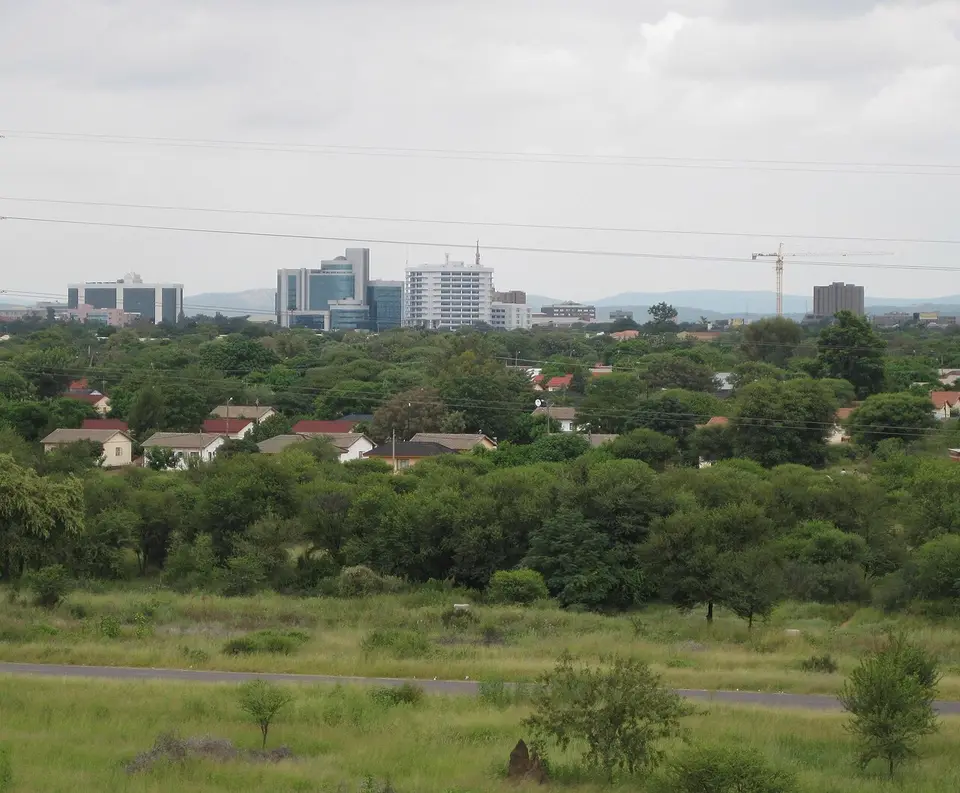
Botswana is a landlocked country in the middle of Southern Africa, with South Africa to the south, Namibia to the west and north, Zimbabwe to the north-east and a very short border with Zambia in the far north. Most of it is covered by the Kalahari Desert. Gaborone, the capital, is in the far south-east, close to South Africa.
On a world map, find South Africa and look directly north. The large, roughly square country above it, between Namibia and Zimbabwe, with no coastline, is Botswana.
How to find Botswana on the map
- Start from South Africa. Botswana is the big country directly north of South Africa's central and western regions.
- It's landlocked. Namibia, to the west, reaches the Atlantic; Botswana touches no sea.
- Look for the Caprivi Strip. Namibia's thin eastern panhandle runs along Botswana's northern edge.
- Don't confuse it with Namibia, the coastal country to the west.
Flag
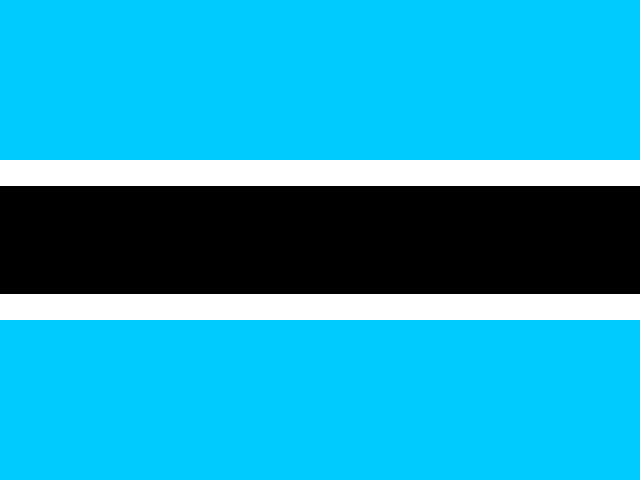
Botswana's flag is light blue with a black horizontal stripe through the centre, edged in thin white. Blue stands for water – the national motto, Pula, means "rain". The black and white represent racial harmony, chosen in 1966 as a deliberate contrast to apartheid South Africa, and echo the zebra, the national animal.
In the Flags quiz, Botswana's flag is unusually simple: pale blue with a single black band. Estonia also uses blue, black and white, but as three equal stripes.
A short history of Botswana
The first people of this land were the San, hunter-gatherers whose ancestors lived in the Kalahari for many thousands of years. Their rock paintings survive at the Tsodilo Hills in the north-west, a UNESCO site sometimes called the "Louvre of the Desert". Later, Bantu-speaking farmers and cattle herders moved in, and by the 1700s several Tswana chiefdoms, such as the Bangwato, Bakwena and Bangwaketse, controlled the east of the country.
In the 1800s the Tswana faced pressure from all sides. Wars spread from the Zulu kingdom, and Boer settlers from the Transvaal pushed west in search of land. Missionaries arrived too; David Livingstone worked among the Bakwena and their chief Sechele I. To protect themselves from the Boers, Tswana leaders turned to Britain, which declared the Bechuanaland Protectorate in 1885. In 1895 three chiefs, including Khama III, travelled to London and persuaded the British government not to hand their land to Cecil Rhodes's company.
Britain spent little on the protectorate and even ran it from Mafeking, a town across the border in South Africa. That is why Botswana had to build a brand-new capital, Gaborone, just before independence. Its first president was Seretse Khama, grandson of Khama III. His marriage to a white Englishwoman, Ruth Williams, in 1948 had caused a scandal that led to years of exile, but it later became a symbol of the country's non-racial values.
Only a year after independence, diamonds were discovered at Orapa. The government formed a joint company with De Beers and spent the income on roads, schools and clinics rather than on a small elite. Botswana avoided the coups and civil wars that hit many neighbours, though it was hit very hard by HIV in the 1990s and 2000s and has since run one of Africa's strongest treatment programmes.
Today Botswana is known for good governance, careful wildlife protection and high-value safari tourism, while it tries to build an economy that does not depend on diamonds alone.
Culture and daily life in Botswana
The country's name means "land of the Tswana", and Setswana is spoken by most of the population, with English used in government and schools. Smaller groups speak Kalanga, the San languages with their click sounds, and others. A key tradition is the kgotla, an open-air meeting place where a chief and the community discuss problems and settle disputes. It is often described as an early form of grassroots democracy.
Cattle have long been the main measure of wealth, and many families keep a cattle post far from their town home. Most people are Christian, often mixing church life with older beliefs. In the Okavango region, women weave fine baskets from palm leaves with patterns that carry names and meanings.
Many readers first meet Botswana through Alexander McCall Smith's The No. 1 Ladies' Detective Agency, set in Gaborone. In sport, sprinter Letsile Tebogo won the 200 metres at the 2024 Paris Olympics, the country's first Olympic gold, and football is followed everywhere.
Five facts worth knowing
- Botswana has been a stable democracy since independence in 1966, holding regular elections ever since.
- It is one of the world's largest diamond producers, and diamonds transformed it from one of the poorest countries in the world into an upper-middle-income one.
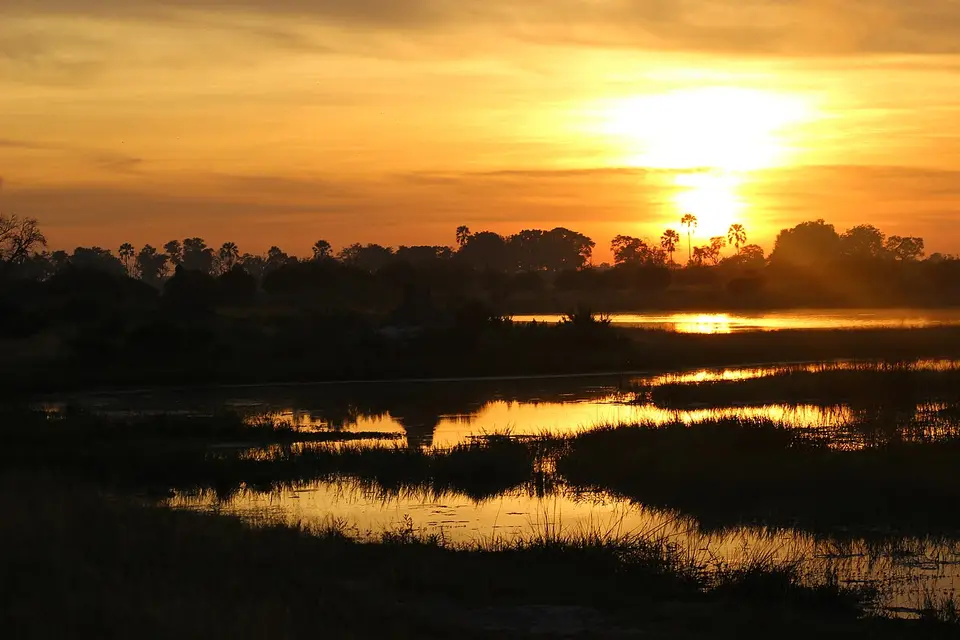
- The Okavango Delta is one of the world's largest inland deltas – the river flows into the Kalahari, spreads out and evaporates, never reaching the sea.
- Botswana has the largest elephant population of any country, well over 100,000.
- The border with Zambia at Kazungula is only about 150 metres long, one of the shortest in the world; a bridge across the Zambezi opened there in 2021.
Culture and traditions in Botswana
- Saying hello
"Dumela rra" (to a man) or "Dumela mma" (to a woman).
- Food and drink
Seswaa, slow-cooked pounded beef, served with pap (maize porridge).
- Festivals and traditions
Independence Day on 30 September, with celebrations across the country.
- Everyday life
Handshakes often involve holding your right forearm with your left hand as a sign of respect.
- Did you know?
The currency, the pula, means "rain" in Setswana, a sign of how precious rain is.
Common mistakes
- Tapping Namibia or Zimbabwe, the neighbours to the west and east.
- Tapping Zambia, which looks similar in shape and sits further north.
- Forgetting Botswana is landlocked and looking on the coast.
Practise with Botswana
- Southern Africa quiz – a close-up where Botswana's position above South Africa is obvious.
- Africa quiz – the square landlocked country between Namibia and Zimbabwe.
- Africa flags – light blue with a black band.
- Africa capitals quiz – Gaborone.
- Mystery Country – a roughly square outline with a flat-ish top and a bulge in the south-east.
Nearby countries
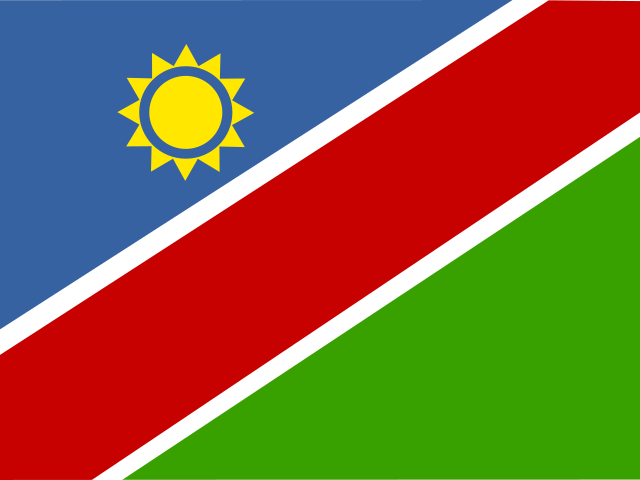 NamibiaWindhoek
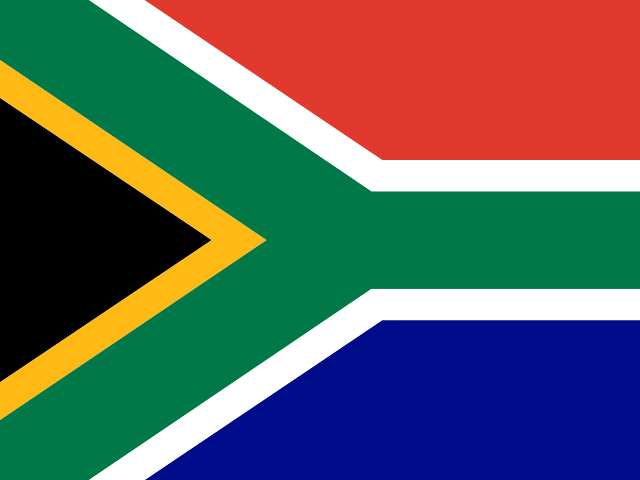 South AfricaPretoria
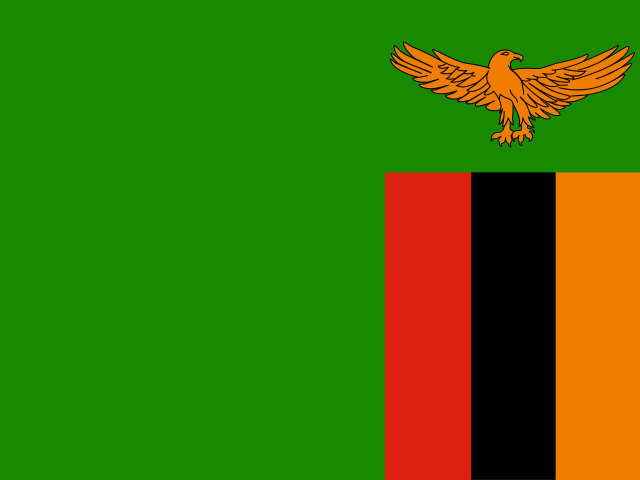 ZambiaLusaka
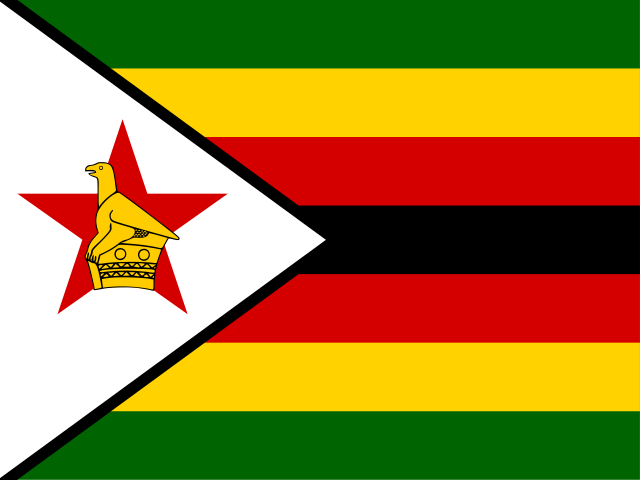 ZimbabweHarare
Quick check: how well do you know Botswana?
3 questions, no sign-up. Tap an answer.
1. Which flag belongs to Botswana?
That's the flag of Botswana.
2. What is the capital of Botswana?
The capital of Botswana is Gaborone.
3. Which of these countries borders Botswana?
Namibia, South Africa, Zambia and Zimbabwe border Botswana.
Keep going on the Africa quiz – Botswana is one of 54 countries there.
More ways to practise: find Botswana on the blank map with no borders (hard mode), or play today's Globe and the other daily puzzles.
Frequently asked questions about Botswana
What language is spoken in Botswana?
English is the official language, used in government, business and schools. Setswana is the national language and is spoken by most of the population at home. Other languages include Kalanga, Sekgalagadi and several San languages known for their click sounds.
What currency does Botswana use?
Botswana uses the pula (BWP), introduced in 1976 to replace the South African rand. Pula means "rain" in Setswana, a precious resource in a dry country, and the word is also used as a greeting and blessing. One pula is divided into 100 thebe, meaning "shield".
What time zone is Botswana in?
Botswana is on Central Africa Time, UTC+2, all year round and does not use daylight saving time. It shares its clock with South Africa, Namibia, Zambia and Zimbabwe.
Which side of the road do they drive on in Botswana?
Batswana drive on the left, like South Africa and most of southern Africa. Outside the towns, drivers often meet cattle, donkeys and sometimes elephants on the roads.
What is the highest point in Botswana?
Botswana is mostly flat, and its highest ground lies in the south-east near Gaborone, at about 1,490 metres. Otse Hill is most often named as the highest point, although some surveys give nearby Monalanong Hill instead.
How much of Botswana is the Kalahari?
The Kalahari covers roughly 70 per cent of Botswana. It is a semi-desert of sand, grass and thorn scrub rather than bare dunes, and it supports wildlife such as lions, gemsbok and meerkats. The Central Kalahari Game Reserve is one of the largest reserves in Africa.
Quizzes with Botswana
Often confused with
Guides that help with this
- Learn all 54 African countries in a weekLearn the coastline in order, region by region.
- Flags that look alike (and how to tell them apart)Chad or Romania? Australia or New Zealand? The flag pairs that cost quiz points.
- The 25 hardest countries to find on a mapPacific islands, Caribbean islands and landlocked Africa – where they are.