Burundi
Capital: Gitega. Burundi is one of the 54 countries in the Africa quiz.
Quick answers: What is the capital of Burundi? · Which countries border Burundi?
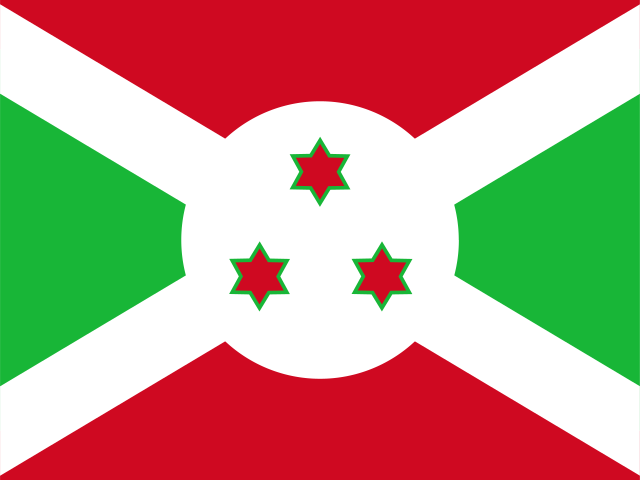
Facts about Burundi
- CapitalGitega
- Population14.4 million
- Area27,834 km²
- RegionsAfrica, East Africa
- LanguagesFrench, Kirundi
- CurrencyBurundian franc (BIF)
Burundi is the 30th most populous of the 54 countries in Africa and the 45th largest by area. Worldwide it ranks 78th by population and 143rd by area.
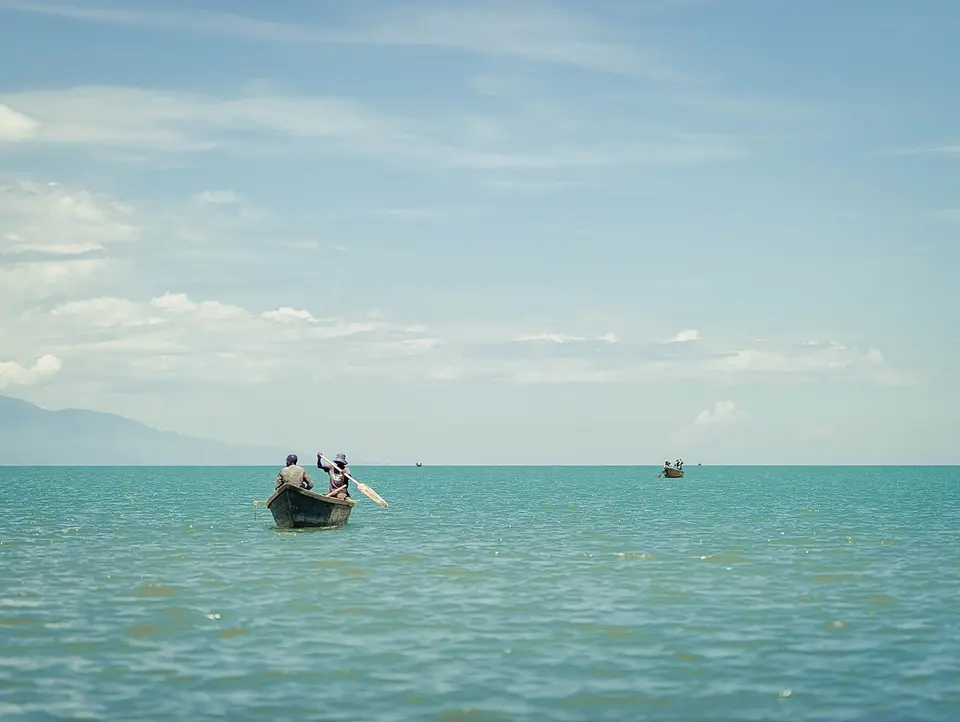
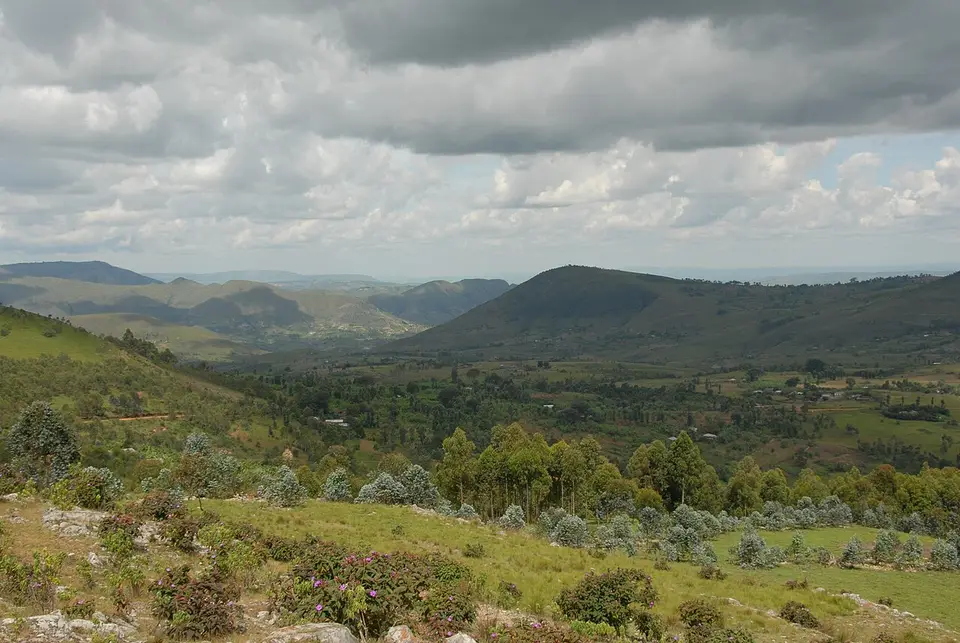
Where is Burundi?
Burundi is a small, landlocked country in the Great Lakes region of East-Central Africa. It sits at the northern end of Lake Tanganyika, with Rwanda to the north, Tanzania to the east and south, and the Democratic Republic of the Congo across the lake to the west. The political capital is Gitega, in the centre of the country, while Bujumbura, on the lake shore, is the largest city and the economic capital.
On a world map, find the long, thin shape of Lake Tanganyika running north to south through the middle of Africa. Burundi is the small country tucked against the top of the lake, just below its near-twin Rwanda.
How to find Burundi on the map
- Start from Lake Tanganyika. Burundi touches the northern tip of the lake; Rwanda does not reach it.
- Find Rwanda first. The two countries sit on top of each other like two small stones. Rwanda is the upper one, Burundi the lower one.
- Use Tanzania as a frame. Burundi is in the top-left corner of Tanzania, with the lake on its other side.
- Don't confuse it with Rwanda. Rwanda borders Uganda and Lake Kivu to the north; Burundi borders Lake Tanganyika to the south-west.
Flag
Burundi's flag is one of the most distinctive in Africa. A white diagonal cross divides the field into four triangles: red at the top and bottom, green at the sides. In the centre, a white disc holds three red six-pointed stars with green borders, arranged in a triangle. The stars represent the national motto – Unity, Work, Progress – and are also often read as the three main ethnic groups.
No other national flag uses a white saltire with a central disc, so in the Flags quiz this is an easy one to lock in once you have seen it.
A short history of Burundi
Burundi is one of the few African countries whose borders roughly match those of a pre-colonial kingdom. From around the 1600s, a monarchy grew up in these green hills, ruled by a king called the mwami. Royal power was tied to the sacred drum, and society was organised into Hutu, Tutsi and the small Twa group, with a princely class called the ganwa holding much of the power. The kingdom expanded in the 1800s under Ntare Rugamba and his successor Mwezi Gisabo.
German forces arrived in the 1890s, and after a long resistance Mwezi Gisabo accepted German rule in 1903. Burundi became part of German East Africa together with Rwanda. During the First World War Belgian troops moved in, and from 1923 the League of Nations gave Belgium the territory of Ruanda-Urundi. The Belgians ruled through the existing chiefs but hardened the differences between Hutu and Tutsi, issuing identity cards and favouring Tutsi in schools and government.
Burundi gained independence in 1962 as a kingdom. Prince Louis Rwagasore, the popular independence leader, had been assassinated shortly before, and the new state was unstable from the start. The monarchy was overthrown in 1966, and a series of Tutsi-led military governments followed. In 1972 a Hutu uprising was met by mass killings of educated Hutu, and violence broke out again in 1988.
In 1993 Melchior Ndadaye became the first elected Hutu president, but he was killed in a coup after only a few months. This set off a civil war that lasted more than a decade and cost hundreds of thousands of lives. Peace talks in Arusha, Tanzania, led to a power-sharing deal in 2000, and the last major rebel group laid down its arms in 2009.
Today Burundi is one of the poorest countries in the world. Most people grow their own food, while coffee and tea are the main exports.
Culture and daily life in Burundi
Almost every Burundian speaks Kirundi, a Bantu language that is very close to Kinyarwanda across the border in Rwanda. Having one shared language is rare in Africa, and it reflects the long history of the old kingdom. Swahili is common in Bujumbura and in trade. Most people are Christian, mostly Catholic, a result of the missionaries who arrived in colonial times.
Drums sit at the heart of Burundian identity. The famous drummers of Gishora and other royal sanctuaries perform with huge drums carried on their heads, combining powerful rhythms with leaps and dance. Other traditional instruments include the inanga, a trough zither used to accompany sung poetry.
Daily life is mostly rural, and families live in scattered homesteads on the hillsides rather than in villages. Cows have always been valued as a sign of wealth, and the common greeting among older people even wishes the other person many cattle. Basketry, especially tightly woven baskets with lids, is a skilled craft. In sport, runner Vénuste Niyongabo won the 5,000 metres at the 1996 Atlanta Olympics, Burundi's first Olympic gold.
Five facts worth knowing
- The capital moved in 2019. Gitega replaced Bujumbura as the political capital, though Bujumbura remains the largest city.
- Burundi is one of the most densely populated countries in Africa, with most people living in the hilly countryside rather than in cities.
- Lake Tanganyika is the second-deepest lake in the world, after Baikal, and Burundi shares its shores with three other countries.
- One of the sources of the Nile is in Burundi; a spring near Rutovu is often cited as the river's southernmost source.
- Kirundi, French and English are official languages, and the country joined the East African Community in 2007.
Culture and traditions in Burundi
- Saying hello
"Amahoro", meaning peace, with a handshake.
- Food and drink
Beans with plantains or cassava, and grilled brochettes (meat skewers).
- Festivals and traditions
Independence Day on 1 July, often featuring traditional drumming and dance.
- Everyday life
Modesty and politeness are valued, and elders are addressed with respect.
- Did you know?
The Ritual Dance of the Royal Drum is on UNESCO's intangible heritage list.
Common mistakes
- Tapping Rwanda – the single most common error, since the two countries are almost the same size and shape.
- Tapping the western edge of Tanzania.
- Answering Bujumbura in the Capitals quiz; the official capital has been Gitega since 2019.
Practise with Burundi
- Africa quiz – a small target, so zoom in on the Great Lakes before you tap.
- East Africa quiz – Burundi and Rwanda sit side by side on a zoomed map, which is the best way to learn the difference.
- Africa flags – the white diagonal cross with three stars is unmistakable once seen.
- Africa capitals quiz – Gitega, a capital many people still get wrong.
- Mystery Country – look for the straight lake edge on the left side of the outline.
Nearby countries
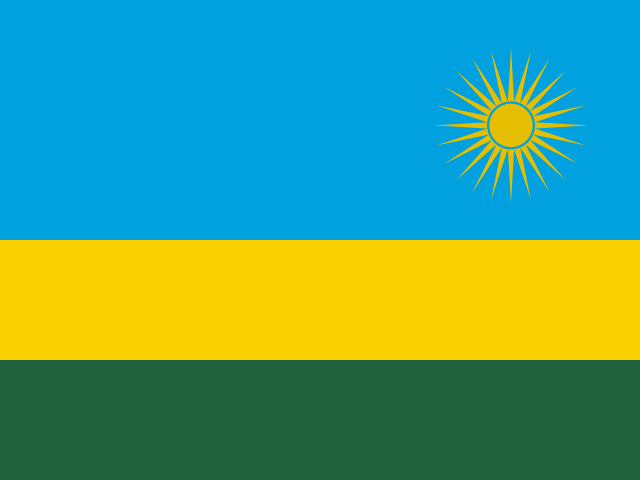
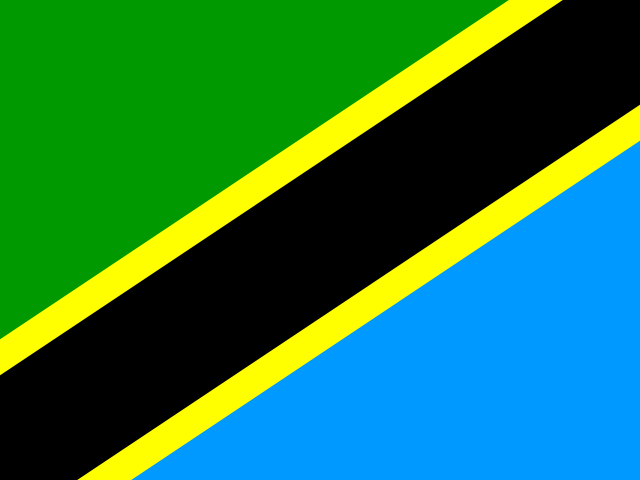
Quick check: how well do you know Burundi?
3 questions, no sign-up. Tap an answer.
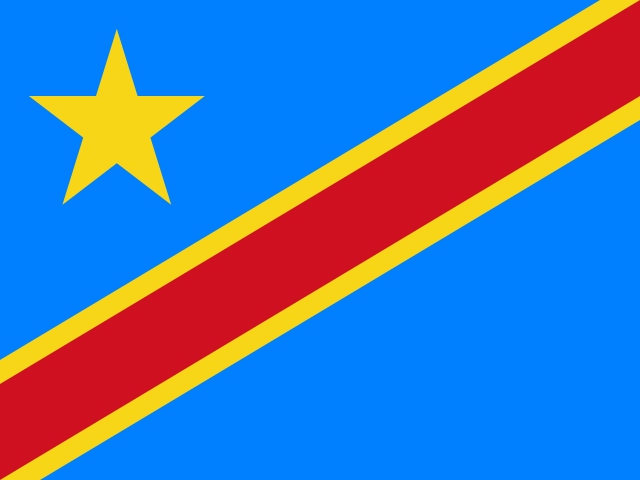
1. Which flag belongs to Burundi?
That's the flag of Burundi.
2. What is the capital of Burundi?
The capital of Burundi is Gitega.
3. Which of these countries borders Burundi?
DR Congo, Rwanda and Tanzania border Burundi.
Keep going on the Africa quiz – Burundi is one of 54 countries there.
More ways to practise: find Burundi on the blank map with no borders (hard mode), or play today's Globe and the other daily puzzles.
Frequently asked questions about Burundi
What language is spoken in Burundi?
Kirundi is the national language and is spoken by almost the whole population. Kirundi, French and English are all official languages. Swahili is widely used in Bujumbura and in trade with neighbouring countries.
What currency does Burundi use?
Burundi uses the Burundian franc (BIF). It replaced the Rwanda-Burundi franc in 1964, two years after independence, when the two countries ended their shared currency.
What time zone is Burundi in?
Burundi is on Central Africa Time, UTC+2, all year round and does not use daylight saving time. It shares its clock with Rwanda and is one hour behind Tanzania, its neighbour to the east.
Which side of the road do they drive on in Burundi?
Burundians drive on the right. Bicycles carry remarkable loads, from bananas to charcoal, up and down the country's steep hill roads. Minibuses are the main form of public transport between towns.
What is the highest point in Burundi?
The highest point is Mount Heha, about 2,684 metres, on the mountain ridge that rises east of Lake Tanganyika and the Albertine Rift. This ridge divides the basins of the Congo and the Nile.
What is Burundi famous for?
Burundi is famous for its royal drummers, whose powerful performances with large drums are listed by UNESCO. It is also known for coffee and tea, its main exports, and for being one of the places where the Nile is said to begin.
Quizzes with Burundi
Often confused with
Guides that help with this
- Learn all 54 African countries in a weekLearn the coastline in order, region by region.
- Flags that look alike (and how to tell them apart)Chad or Romania? Australia or New Zealand? The flag pairs that cost quiz points.
- The 25 hardest countries to find on a mapPacific islands, Caribbean islands and landlocked Africa – where they are.