Chile
Capital: Santiago. Chile is one of the 12 countries in the South America quiz.
Quick answers: What is the capital of Chile? · Which countries border Chile?
Facts about Chile
- CapitalSantiago
- Population19.9 million
- Area756,102 km²
- RegionSouth America
- LanguageSpanish
- CurrencyChilean peso (CLP)
Chile is the 6th most populous of the 12 countries in South America and the 7th largest by area. Worldwide it ranks 66th by population and 37th by area.
Where is Chile?
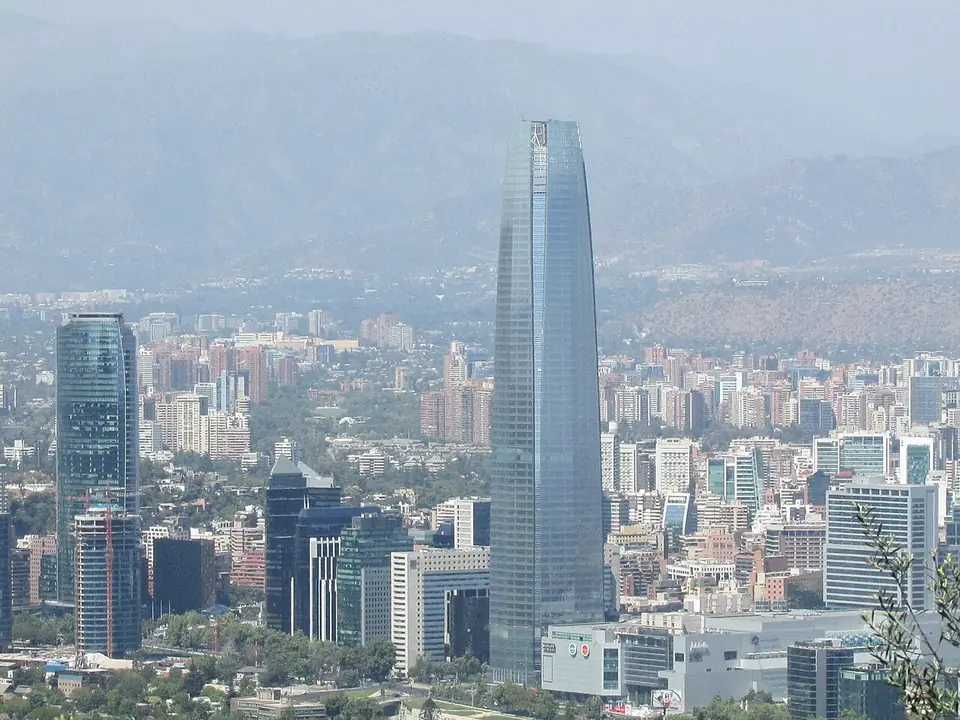
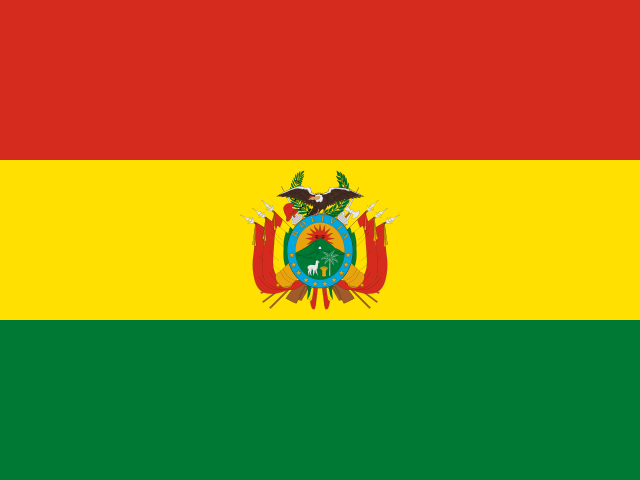
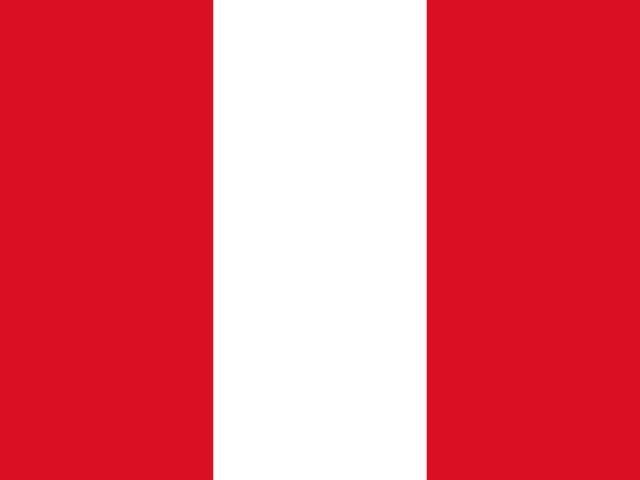
Chile is the long, thin ribbon down the western edge of South America. It runs roughly 4,300 km from north to south along the Pacific coast, yet is on average less than 200 km wide. Peru lies to the north, Bolivia to the north-east and Argentina along the whole eastern border, with the Andes forming the dividing line. Santiago, the capital, is roughly in the middle of the country, in a valley below the mountains.
On a world map, look at the left-hand edge of South America. The narrow strip that follows the coast all the way from the tropics down to the icy tip of the continent is Chile.
How to find Chile on the map
- Start from Argentina. Chile is the thin country squeezed between Argentina and the Pacific.
- Look for the ribbon. No other country in the world is shaped quite like it – long, narrow, and following a coastline.
- Don't confuse it with Peru. Peru is also on the Pacific but sits further north and is much wider.
- Check the southern tip. Chile and Argentina share Tierra del Fuego; the western half of that island is Chilean.
Flag
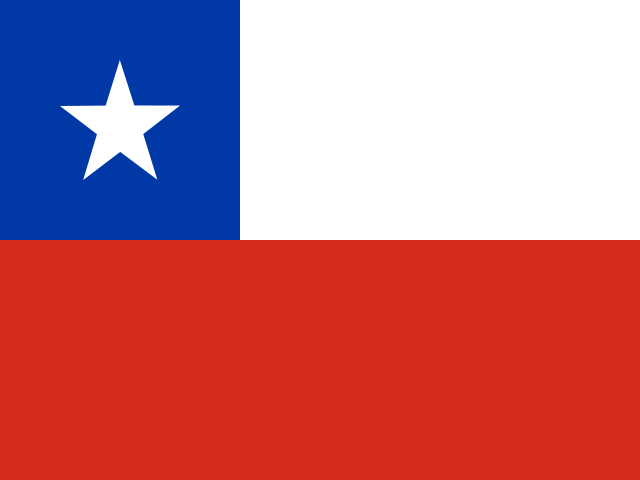
Chile's flag has two horizontal bands, white on top and red below, with a blue square in the top-left corner holding a single white five-pointed star. The star is often called La Estrella Solitaria, the lone star.
It is regularly confused with the flag of Texas, which also uses red, white, blue and one white star. The difference is the blue: on the Texas flag the blue stripe runs the full height of the flag, while on Chile's it is only a square in the top corner, with white continuing beside it. If the blue is a small square, it's Chile.
A short history of Chile
Some of the oldest evidence of humans in the Americas comes from Chile. At Monte Verde, in the south, archaeologists found a settlement around 14,500 years old. In the Atacama, the Chinchorro people mummified their dead about 7,000 years ago – some two thousand years before the Egyptians. In the late 1400s the Inca Empire pushed south into central Chile, but it was stopped by the Mapuche, a fiercely independent people living around the Maule River and beyond.
Spanish conquistadors arrived next. Pedro de Valdivia founded Santiago in 1541, but the Mapuche fought back hard, and Valdivia was killed in battle in 1553. For centuries the Biobío River formed a frontier, with the Spanish to the north and Mapuche lands to the south. Chile was a poor and distant corner of the Spanish Empire, governed from Peru.
The independence struggle began in 1810. With the help of José de San Martín's army, which crossed the Andes from Argentina, Bernardo O'Higgins won decisive battles, and independence was declared in 1818. Chile became one of the most stable republics in Latin America in the 1800s. In the War of the Pacific (1879–1883) it defeated Peru and Bolivia and took the nitrate-rich Atacama, leaving Bolivia without a coastline. In the south, the army occupied Mapuche territory in the 1880s, and Chile later encouraged German settlers to farm the lakes region.
In 1970 Salvador Allende became the world's first elected Marxist president. On 11 September 1973 General Augusto Pinochet led a military coup. His dictatorship lasted until 1990; thousands of people were killed or disappeared, while free-market reforms reshaped the economy. Chileans voted against Pinochet in a 1988 referendum, and democracy returned.
Today Chile is one of the wealthiest countries in South America, exporting copper, lithium, fruit, wine and salmon, while debates continue about inequality and the constitution.
Culture and daily life in Chile
Spanish is spoken everywhere, though Chileans are known for speaking very fast and using a lot of local slang. Mapudungun, the Mapuche language, is still spoken in the south, and Rapa Nui is spoken on Easter Island. Most Chileans are Catholic, with a growing number of evangelicals and non-religious people.
Chile is a land of poets. Gabriela Mistral became the first Latin American writer to win the Nobel Prize in Literature in 1945, and Pablo Neruda won it in 1971; his houses in Santiago, Valparaíso and Isla Negra are now museums. Isabel Allende's The House of the Spirits is one of the best-known Latin American novels. In music, Violeta Parra and Víctor Jara led the Nueva Canción movement, mixing folk song with social protest.
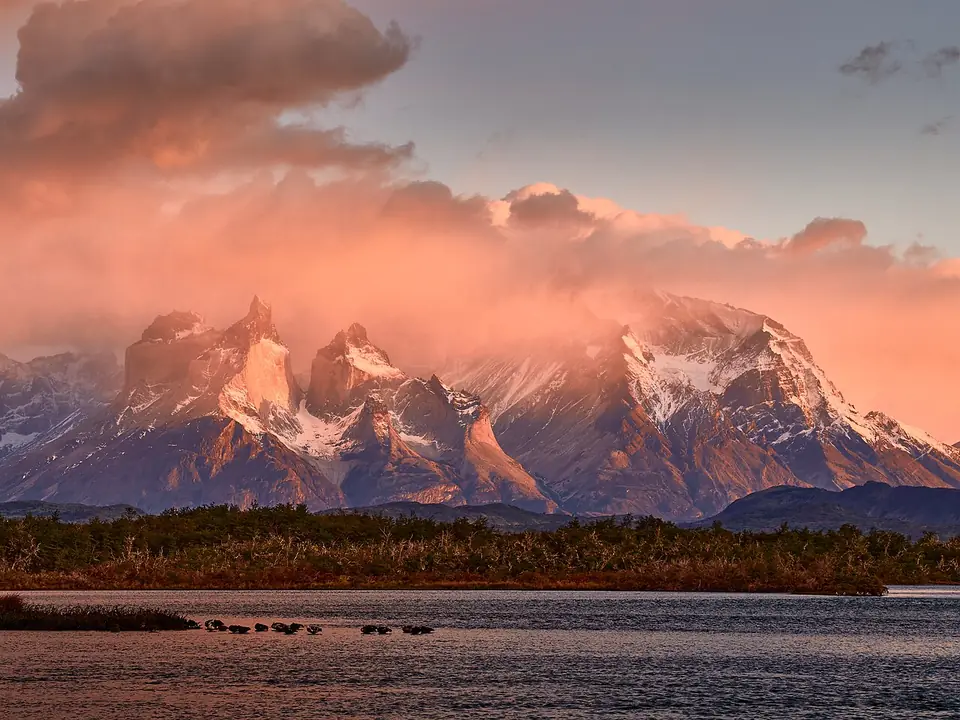
The colourful hillside port of Valparaíso, with its old funiculars, is a UNESCO site. Chileans are proud of their wines from the Central Valley, and the long, varied geography, from desert observatories to Patagonian glaciers in Torres del Paine, shapes a strong love of the outdoors. Football is the most popular sport.
Five facts worth knowing
- The Atacama Desert in northern Chile is the driest non-polar desert on Earth, with some weather stations that have never recorded rain.
- Easter Island (Rapa Nui), famous for its giant stone moai, belongs to Chile, even though it sits more than 3,500 km out in the Pacific.
- Chile is the world's largest producer of copper, and mining dominates its exports.
- Ojos del Salado, on the border with Argentina, is the highest active volcano in the world, at over 6,800 metres.
- Cape Horn, the southernmost headland of South America, is Chilean, and the Strait of Magellan runs through Chilean territory.
Culture and traditions in Chile
- Saying hello
One kiss on the right cheek among friends.
- Food and drink
Empanadas de pino (beef, onion, egg and olive) and pastel de choclo; pisco sour to drink.
- Festivals and traditions
Fiestas Patrias around 18 September, with fondas, barbecues and the cueca dance.
- Everyday life
"Once" is a light evening meal of tea, bread and snacks, and dinner tends to be late.
- Did you know?
Easter Island (Rapa Nui), part of Chile, is home to nearly 1,000 moai stone statues.
Common mistakes
- Tapping the coast of Peru when the quiz asks for Chile, or vice versa.
- Tapping Argentina – the two share the longest border in South America, and the dividing line along the Andes is hard to judge at world zoom.
- Picking the Texas flag in the Flags quiz.
Practise with Chile
- South America quiz – the long strip on the Pacific side. Once you've spotted it, use it as an anchor for Argentina, Bolivia and Peru.
- North America flags – the lone star in the blue square.
- South America capitals quiz – Santiago.
- Whole World quiz – at world zoom Chile is so thin that you need to tap precisely; practise hitting the coast rather than Argentina.
- Mystery Country – the outline is unmistakable; no other country is this narrow and this long.
Nearby countries
Quick check: how well do you know Chile?
3 questions, no sign-up. Tap an answer.
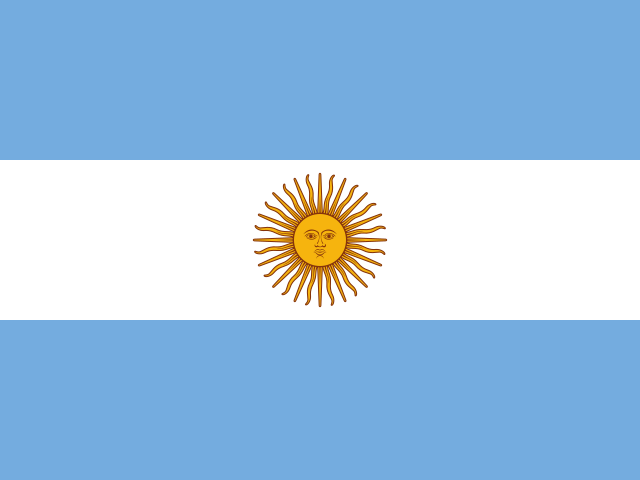
1. Which flag belongs to Chile?
That's the flag of Chile.
2. What is the capital of Chile?
The capital of Chile is Santiago.
3. Which of these countries borders Chile?
Argentina, Bolivia and Peru border Chile.
Keep going on the South America quiz – Chile is one of 12 countries there.
More ways to practise: find Chile on the blank map with no borders (hard mode), or play today's Globe and the other daily puzzles.
Frequently asked questions about Chile
What language is spoken in Chile?
Spanish is the national language and is spoken by nearly everyone. Chilean Spanish is known for its speed, dropped final syllables and local slang such as 'cachai'. Mapudungun, the language of the Mapuche, and Rapa Nui on Easter Island are among the Indigenous languages still in use.
What currency does Chile use?
Chile uses the Chilean peso (CLP). Alongside it, the Unidad de Fomento (CLF) is an inflation-linked unit of account, adjusted daily, that is widely used to price mortgages, rents and long-term contracts.
What time zone is Chile in?
Most of mainland Chile uses UTC−4 in winter and UTC−3 in summer with daylight saving time. The far-southern Magallanes region stays on UTC−3 all year, and Easter Island is two hours behind the mainland.
Which side of the road do they drive on in Chile?
Chileans drive on the right. The main north–south artery is Route 5, part of the Pan-American Highway, which runs much of the country's length, while the Carretera Austral winds through remote Patagonia in the south.
What is the highest point in Chile?
Ojos del Salado, on the Argentine border in the Atacama region, is Chile's highest point at about 6,890 metres. It is the second-highest mountain in the Americas after Aconcagua in Argentina.
How long is Chile?
Chile stretches about 4,300 kilometres from north to south but averages only around 175 kilometres wide. That makes it one of the longest and narrowest countries in the world, spanning climates from desert to glaciers.
Quizzes with Chile
Often confused with
Guides that help with this
- Oceans, seas, rivers and mountainsThe physical map: seas around each continent, the big rivers and ranges.
- Flags that look alike (and how to tell them apart)Chad or Romania? Australia or New Zealand? The flag pairs that cost quiz points.
- The 25 hardest countries to find on a mapPacific islands, Caribbean islands and landlocked Africa – where they are.