Bolivia
Capital: Sucre. Bolivia is one of the 12 countries in the South America quiz.
Quick answers: What is the capital of Bolivia? · Which countries border Bolivia?
Facts about Bolivia
- CapitalSucre
- Population12.6 million
- Area1,098,581 km²
- RegionSouth America
- LanguagesSpanish, Aymara, Quechua
- CurrencyBolivian boliviano (BOB)
Bolivia is the 8th most populous of the 12 countries in South America and the 5th largest by area. Worldwide it ranks 79th by population and 27th by area.
Where is Bolivia?
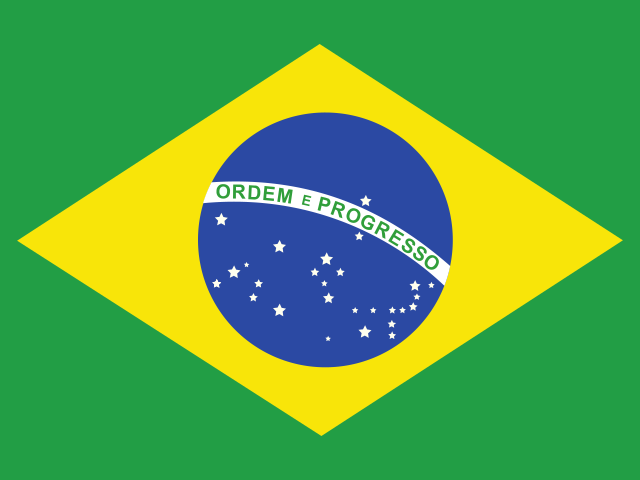
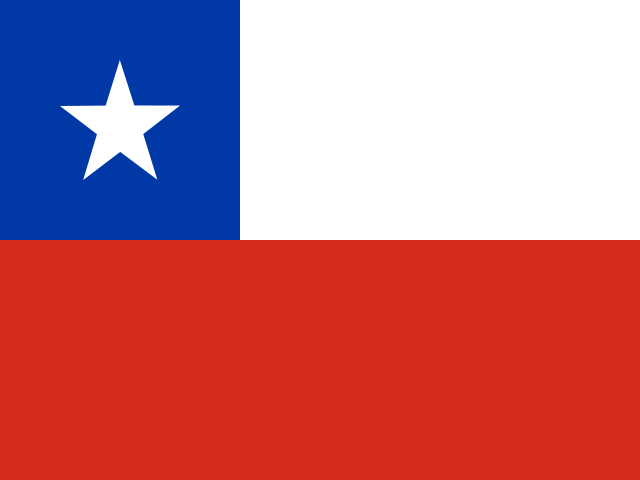
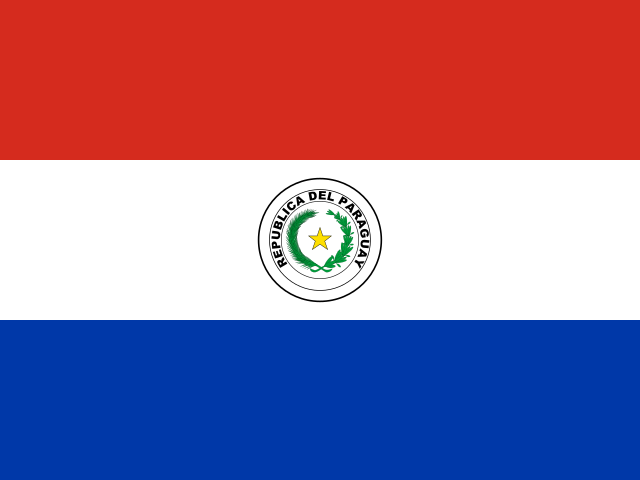
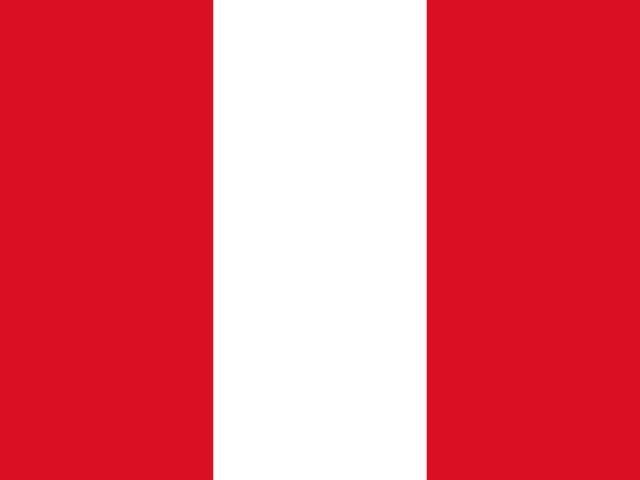
Bolivia is a landlocked country in the centre of South America. Brazil wraps around its north and east, Paraguay and Argentina lie to the south, and Chile and Peru to the west. It lost its Pacific coast to Chile in a war in the 1880s. Bolivia has two capitals: Sucre is the constitutional capital, while La Paz is the seat of government and the larger city.
On a world map, find the middle of South America. Bolivia is the country between Brazil and the Andes, east of Peru and north of Argentina, with no coastline.
How to find Bolivia on the map
- Start from Brazil. Bolivia is the large landlocked country tucked into Brazil's western side.
- Look for Lake Titicaca. The big lake on the Peru–Bolivia border is a good landmark in the north-west.
- It's one of two landlocked countries in South America. The other is Paraguay.
- Don't confuse it with Paraguay, which is roughly half the size and lies between Bolivia and Argentina.
Flag
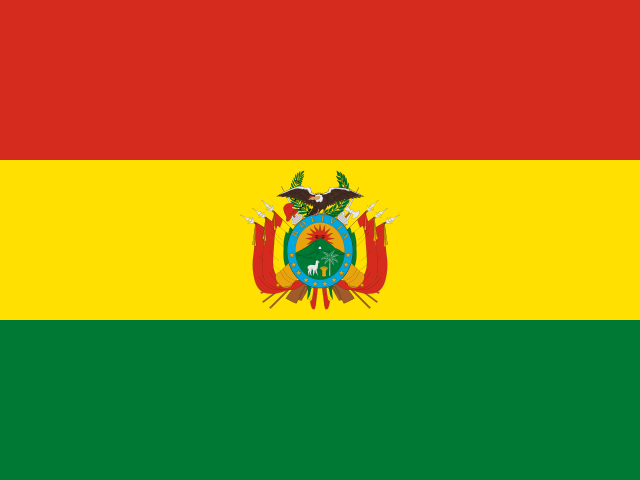
Bolivia's flag is a horizontal tricolour of red, yellow and green. Red stands for the blood of national heroes, yellow for mineral wealth and green for the fertility of the land. The state version adds the coat of arms in the centre.
In the Flags quiz, remember red on top: Ghana is green-yellow-red with a black star, and Lithuania is yellow-green-red. Bolivia also has a second official flag, the Wiphala, a square patchwork of rainbow colours representing indigenous peoples.
A short history of Bolivia
On the high plateau near Lake Titicaca, the city of Tiwanaku was the centre of a powerful culture between roughly 500 and 1000 AD. Its stone gateways and terraces still impress visitors. Later, Aymara kingdoms ruled the highlands until the Inca Empire absorbed them in the 1400s. In the eastern lowlands, very different peoples lived in the forests and plains.
Spanish conquistadors arrived in the 1530s. In 1545 they found the Cerro Rico, a mountain of silver above Potosí. The city became one of the largest in the world, and its silver flowed to Spain for centuries. Indigenous workers were forced to work the mines under the mita system, and many died. In 1781 Túpac Katari led an Aymara uprising and besieged La Paz before he was captured and executed.
The fight for independence began early, with uprisings in 1809, but freedom only came in 1825, after Antonio José de Sucre's victories. The new country was named after Bolívar, and the city of Sucre became its official capital. Bolivia then lost large areas to its neighbours. In the War of the Pacific of 1879–84, Chile took its coastline, leaving Bolivia landlocked, a loss still mourned every year. Rubber-rich Acre went to Brazil in 1903, and much of the Gran Chaco went to Paraguay after the Chaco War of 1932–35.
The 1952 revolution brought votes for all adults, land reform and the nationalisation of the big tin mines. A long period of coups followed, and the revolutionary Che Guevara was captured and killed in Bolivia in 1967. Democracy returned in 1982. In 2005 Evo Morales was elected as the first indigenous president, and the country was renamed the Plurinational State of Bolivia in 2009. A disputed election in 2019 caused a political crisis.
Today Bolivia exports natural gas, minerals and soya and holds some of the world's largest lithium reserves. The government sits in La Paz while Sucre remains the constitutional capital, a split dating from a civil war in 1899.
Culture and daily life in Bolivia
More Bolivians identify as indigenous than in almost any other country in the Americas. Quechua and Aymara are spoken across the highlands, while Spanish dominates the cities and the lowlands around Santa Cruz, the country's largest and fastest-growing city. Most people are Catholic, often blending Christian saints with Andean beliefs, such as offerings to Pachamama, Mother Earth, before building a house or starting a journey.
Andean music, with panpipes called zampoñas and the small guitar-like charango, is heard everywhere, and groups such as Los Kjarkas made it popular across Latin America. In the dramatic diablada, or devil dance, dancers wear huge horned masks. The Jesuit mission churches of Chiquitos in the eastern lowlands, built in the 1700s and still used, are UNESCO World Heritage Sites.
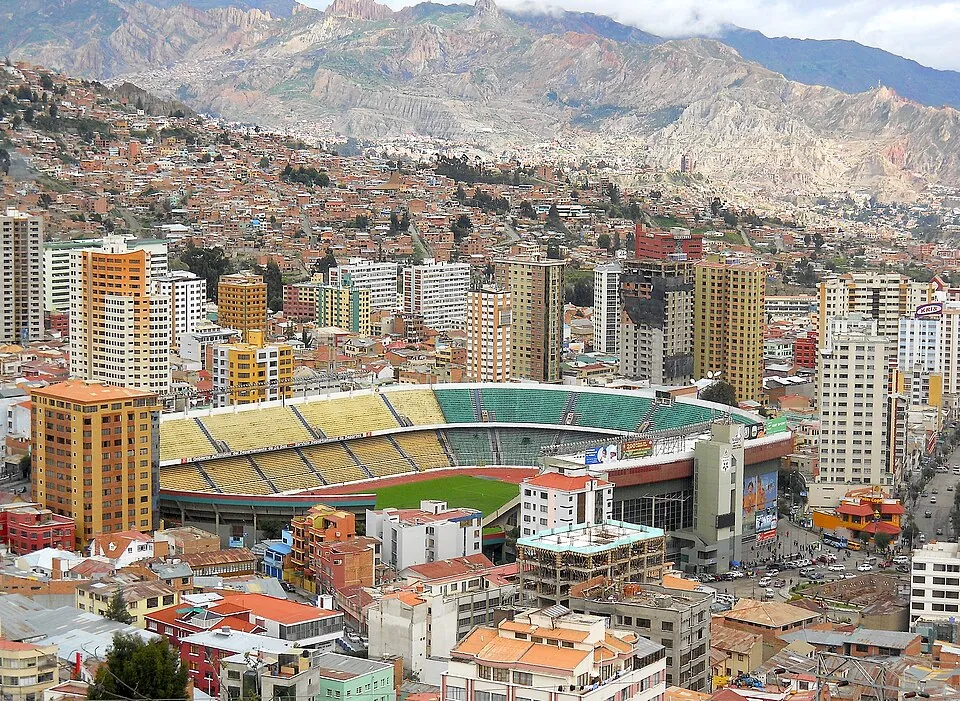
Bolivians love football, and the altitude of La Paz is famously tough for visiting teams. A curious local sport is cholita wrestling, a staged show in El Alto. The Witches' Market in La Paz sells herbs, charms and dried llama foetuses used as offerings for good luck.
Five facts worth knowing
- La Paz is the highest seat of government in the world, at around 3,600 metres, and its cable-car network is one of the longest urban cable systems anywhere.
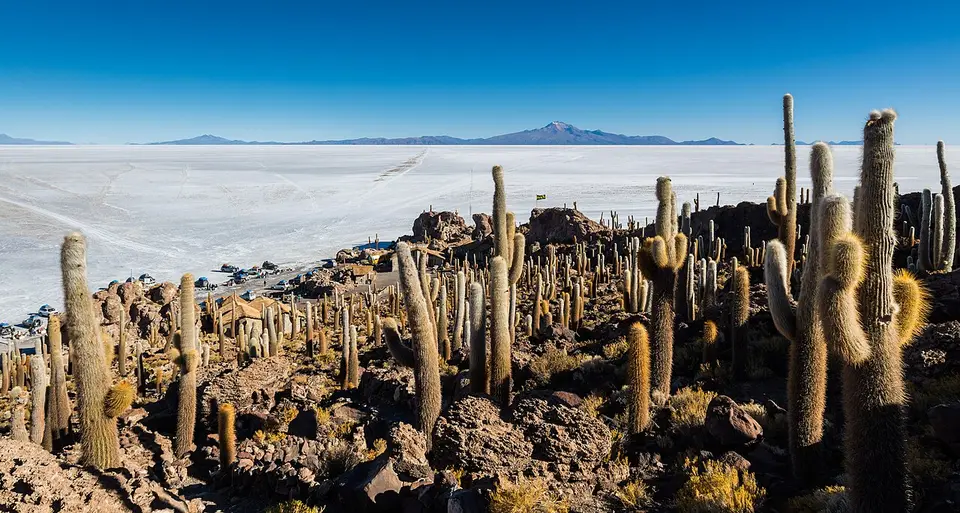
- Salar de Uyuni is the world's largest salt flat, over 10,000 square kilometres, and turns into a giant mirror after rain.
- Bolivia keeps a navy despite having no coast, patrolling Lake Titicaca and its rivers.
- Bolivia is named after Simón Bolívar, the leader of South America's independence wars.
- It has 36 recognised official languages, including Spanish, Quechua, Aymara and Guaraní.
Culture and traditions in Bolivia
- Saying hello
"Buenos dias" with a handshake.
- Food and drink
Saltenas (juicy baked empanadas) and api, a warm purple corn drink.
- Festivals and traditions
The Carnival of Oruro in February or March (UNESCO-listed); the Alasitas fair in La Paz on 24 January.
- Everyday life
Coca tea is common in the highlands to help with altitude, and markets are busy social places.
- Did you know?
Aymara women known as cholitas traditionally wear bowler hats with layered skirts.
Common mistakes
- Tapping Paraguay, the other landlocked country to the south-east.
- Tapping Peru, which shares Lake Titicaca and the Andes with Bolivia.
- Answering La Paz or Sucre in the Capitals quiz without checking which one the quiz expects.
Practise with Bolivia
- South America quiz – the inland country between Brazil and the Andes.
- North America flags – red, yellow, green horizontal.
- South America capitals quiz – Sucre is the constitutional capital; La Paz is the seat of government.
- Mystery Country – a blobby outline with a notch for Lake Titicaca in the north-west.
Nearby countries
Quick check: how well do you know Bolivia?
3 questions, no sign-up. Tap an answer.
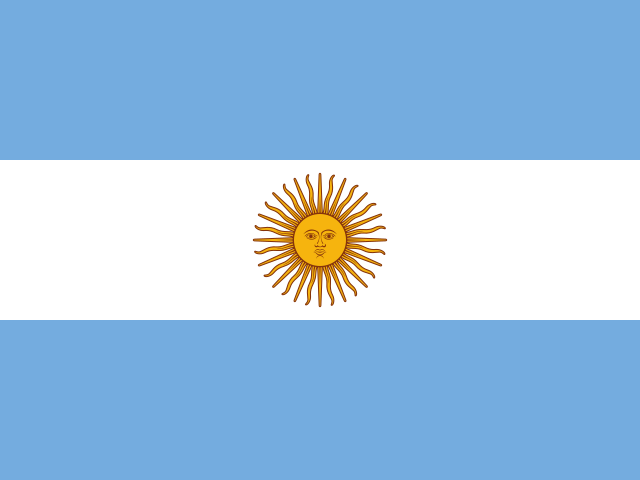
1. Which flag belongs to Bolivia?
That's the flag of Bolivia.
2. What is the capital of Bolivia?
The capital of Bolivia is Sucre.
3. Which of these countries borders Bolivia?
Argentina, Brazil, Chile, Paraguay and Peru border Bolivia.
Keep going on the South America quiz – Bolivia is one of 12 countries there.
More ways to practise: find Bolivia on the blank map with no borders (hard mode), or play today's Globe and the other daily puzzles.
Frequently asked questions about Bolivia
What language is spoken in Bolivia?
Spanish is spoken by most Bolivians, but the constitution also makes 36 Indigenous languages official alongside it. The most widely spoken Indigenous languages are Quechua and Aymara, and Guaraní is important in the south-east.
What currency does Bolivia use?
Bolivia uses the boliviano (BOB), divided into 100 centavos. It replaced the peso boliviano in 1987 after severe hyperinflation. A second code, BOV, is the Mvdol, an accounting unit linked to the US dollar used only in some financial contracts.
What time zone is Bolivia in?
Bolivia is on UTC−4 all year round and does not use daylight saving time. It shares that offset with Venezuela and is one hour behind neighbouring Argentina and Brazil's main cities.
Which side of the road do they drive on in Bolivia?
Bolivians drive on the right. The road from La Paz down to the Yungas valleys was once called the "world's most dangerous road"; a safer new route opened in 2007, and the old one is now popular with mountain bikers.
What is the highest point in Bolivia?
The highest point is Nevado Sajama, about 6,542 metres, an extinct volcano in the west near the Chilean border. Its slopes hold some of the highest-altitude forest in the world, made up of small queñua trees.
Is Lake Titicaca in Bolivia?
Lake Titicaca is shared between Bolivia and Peru. At about 3,810 metres above sea level, it is often called the highest navigable lake in the world, and it is the largest lake in South America by volume.
Quizzes with Bolivia
Often confused with
Guides that help with this
- Oceans, seas, rivers and mountainsThe physical map: seas around each continent, the big rivers and ranges.
- Flags that look alike (and how to tell them apart)Chad or Romania? Australia or New Zealand? The flag pairs that cost quiz points.
- The 25 hardest countries to find on a mapPacific islands, Caribbean islands and landlocked Africa – where they are.