Luxembourg
Capital: Luxembourg. Luxembourg is one of the 46 countries in the Europe quiz.
Quick answers: What is the capital of Luxembourg? · Which countries border Luxembourg?
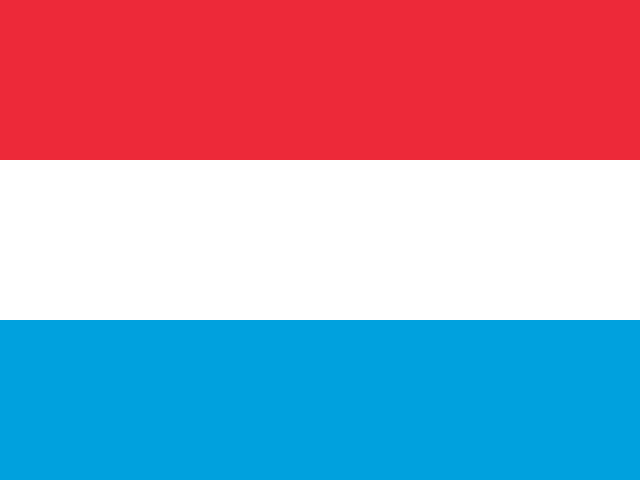
Facts about Luxembourg
- CapitalLuxembourg
- Population686,970
- Area2,586 km²
- RegionEurope
- LanguagesFrench, German, Luxembourgish
- CurrencyEuro (EUR)
Luxembourg is the 38th most populous of the 46 countries in Europe and the 40th largest by area. Worldwide it ranks 165th by population and 170th by area.
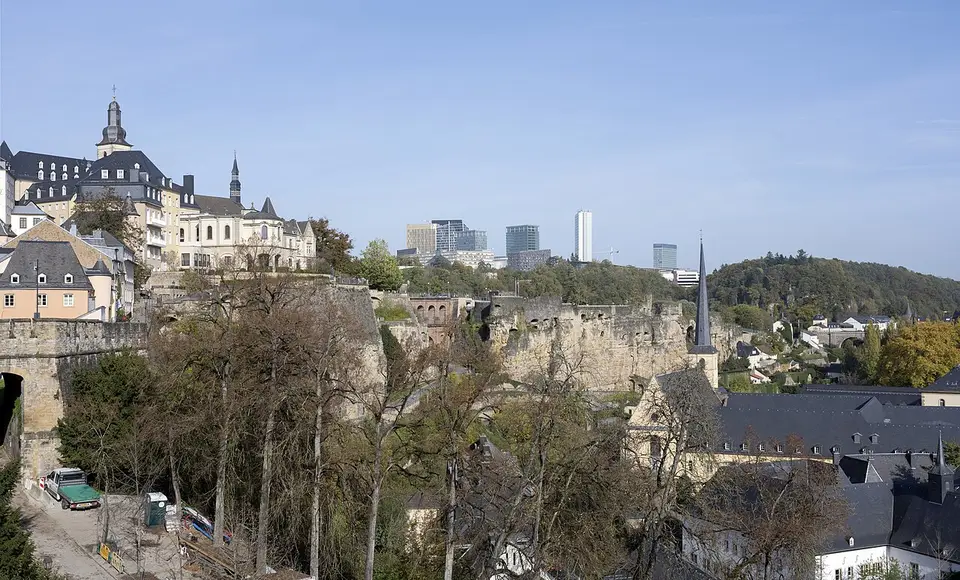
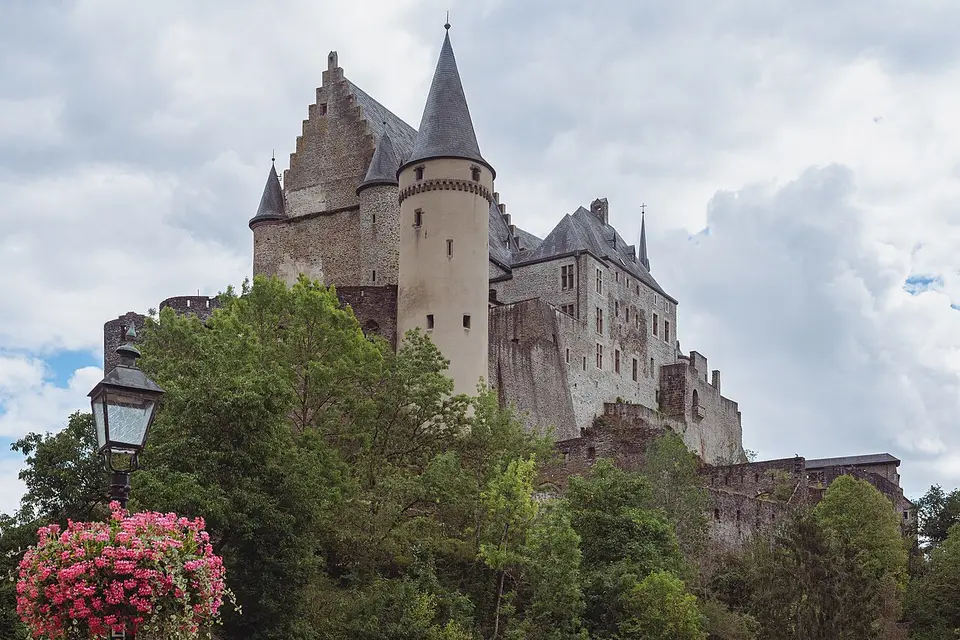
Where is Luxembourg?
Luxembourg is a small landlocked country in Western Europe, tucked between Belgium to the west and north, Germany to the east and France to the south. It is one of the Benelux countries alongside Belgium and the Netherlands. The capital, Luxembourg City, is in the south and shares its name with the nation, which is the world's only remaining Grand Duchy.
On a world map, find where France, Germany and Belgium meet. Luxembourg is the small wedge sitting in that three-way junction.
How to find Luxembourg on the map
- Start from Belgium. Luxembourg hangs off Belgium's south-eastern corner.
- Find the triple border. It fills the gap where France, Germany and Belgium would otherwise meet.
- Look for the smallest Benelux country. Netherlands on the coast, Belgium below it, Luxembourg the tiny one inland.
- Don't confuse it with Liechtenstein. That is in the Alps between Switzerland and Austria, much further south-east.
Flag
Luxembourg's flag is three horizontal bands of red, white and light blue. It is almost identical to the Dutch flag – the difference is that Luxembourg's blue is a noticeably lighter sky blue, and the flag is slightly longer. The colours come from the coat of arms of the ruling house, a red lion on blue and white stripes.
In the Flags quiz, a pale bottom stripe means Luxembourg; a deep navy blue means the Netherlands.
A short history of Luxembourg
The story of Luxembourg begins with a castle. In 963 Count Siegfried acquired a rocky outcrop above the Alzette River and built a fortress there, called Lucilinburhuc, "little castle". A town grew around it, and his descendants became counts of Luxembourg. In the 1300s the family rose to the top of Europe: the house produced Holy Roman Emperors, among them Henry VII, Charles IV and Sigismund, as well as kings of Bohemia. Count John the Blind died fighting for France at the Battle of Crécy in 1346.
In 1443 Luxembourg passed to the Dukes of Burgundy, and then for centuries to the Spanish and Austrian Habsburgs, with periods of French rule. Its fortress was rebuilt again and again by the best military engineers of the day, earning it the nickname the "Gibraltar of the North". Huge underground tunnels, the Bock casemates, still run through the rock beneath the old town.
After Napoleon's defeat, the Congress of Vienna in 1815 made Luxembourg a grand duchy ruled by the King of the Netherlands. Belgium broke away from the Netherlands in 1830, and when the split was settled in 1839 it kept most of Luxembourg's French-speaking western lands, which today form the Belgian province of Luxembourg. That explains why the country is so small. The Treaty of London in 1867 declared Luxembourg permanently neutral, and much of its fortress was torn down. In 1890 the Dutch line died out without a male heir, so the crown passed to another branch of the Nassau family, and Luxembourg finally had its own ruler.
Germany occupied Luxembourg in both world wars. In the Second World War the Nazis tried to annex it outright, and a general strike in 1942 was brutally punished. The north saw heavy fighting in the Battle of the Bulge in 1944–45. After 1945 Luxembourg gave up neutrality, joining NATO as a founding member and taking part in every step of European integration.
The country grew rich first from steel, using iron ore from the south, and then from banking, investment funds and satellites – the company SES, based there, is one of the world's largest satellite operators.
Culture and daily life in Luxembourg
Luxembourgish is a Germanic language that only became an official national language in 1984. Children learn to read in German, switch to more French as they grow older, and many add English, while Portuguese is widely heard because of a large Portuguese community. Almost half of residents are foreign nationals, and many more workers cross the border each day from France, Belgium and Germany.
Most people are Roman Catholic by tradition. Each Whit Tuesday, thousands take part in the Echternach dancing procession, a hopping parade through the streets of the abbey town that is listed by UNESCO. Another tradition is the Octave pilgrimage to the cathedral in Luxembourg City.
The photographer Edward Steichen, who was born in Luxembourg, created the famous Family of Man exhibition, now kept at Clervaux Castle. Cycling is especially popular, and Luxembourg has produced several Tour de France winners, including Charly Gaul and Andy Schleck. The rolling hills of the Müllerthal region, nicknamed "Little Switzerland", and the vineyards along the Moselle are favourite places for weekend walks.
Five facts worth knowing
- Luxembourg is one of the richest countries in the world per person, built on finance, steel and its role as a base for EU institutions.
- It is one of the six founding members of what became the European Union, and the European Court of Justice sits in Luxembourg City.
- Public transport has been free nationwide since 2020, the first country in the world to do this.
- Three languages are official: Luxembourgish, French and German. Most residents use all three in daily life.
- The Schengen Agreement, which removed border controls across much of Europe, is named after the Luxembourg village of Schengen, where it was signed in 1985 on a boat on the Moselle.
Culture and traditions in Luxembourg
- Saying hello
People say "Moien" in Luxembourgish, often with a handshake or three cheek kisses among friends.
- Food and drink
Judd mat Gaardebounen (smoked pork collar with broad beans) and Gromperekichelcher, crispy potato fritters sold at fairs.
- Festivals and traditions
National Day on 23 June celebrates the Grand Duke's official birthday; the Schueberfouer funfair in Luxembourg City dates back to 1340.
- Everyday life
Most people switch easily between Luxembourgish, French and German. Punctuality is valued, and shops traditionally close on Sundays.
- Did you know?
In 2020 Luxembourg became the first country to make all public transport free nationwide.
Common mistakes
- Tapping Belgium – Luxembourg's outline disappears into it at world-map zoom.
- Confusing it with Liechtenstein, the other tiny L-country.
- Picking the Dutch flag in the Flags quiz.
Practise with Luxembourg
- Europe quiz – zoom in on the junction of France, Germany and Belgium.
- Europe flags – light blue on the bottom, not navy.
- Europe capitals quiz – Luxembourg City, a capital that shares its country's name.
- Mystery Country – a small teardrop shape, wider in the south.
- Mistake Bank – the Benelux trio and the Netherlands–Luxembourg flag pair are worth revisiting.
Nearby countries
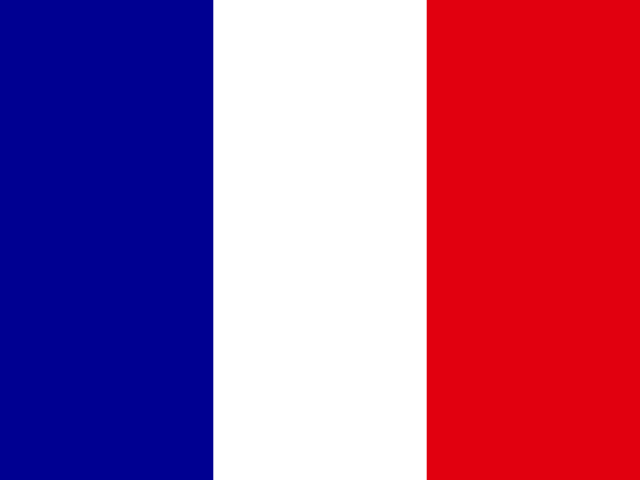
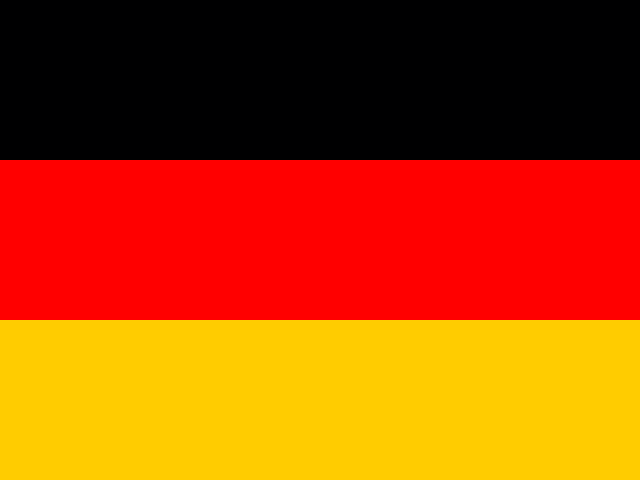
Quick check: how well do you know Luxembourg?
3 questions, no sign-up. Tap an answer.
1. Which flag belongs to Luxembourg?
That's the flag of Luxembourg.
2. What is the capital of Luxembourg?
The capital of Luxembourg is Luxembourg.
3. Which of these countries borders Luxembourg?
Belgium, France and Germany border Luxembourg.
Keep going on the Europe quiz – Luxembourg is one of 46 countries there.
More ways to practise: find Luxembourg on the blank map with no borders (hard mode), or play today's Globe and the other daily puzzles.
Frequently asked questions about Luxembourg
What language is spoken in Luxembourg?
Luxembourg has three official languages: Luxembourgish, the national language, plus French and German. Laws are written in French, newspapers are often in German, and Luxembourgish is the everyday spoken tongue. Portuguese is also widely heard because of a large community.
What currency does Luxembourg use?
Luxembourg uses the euro (EUR) and was one of the eurozone's founding members in 1999. Before that it used the Luxembourg franc, which was tied at par to the Belgian franc, and Belgian money circulated freely in the country.
What time zone is Luxembourg in?
Luxembourg uses Central European Time, UTC+1, in winter and Central European Summer Time, UTC+2, in summer, like Belgium, France and Germany. Clocks change on the last Sundays of March and October.
Which side of the road do they drive on in Luxembourg?
Luxembourg drives on the right. Fuel is cheaper than in its neighbours because of lower taxes, so many drivers from Belgium, France and Germany cross the border to fill up. Public transport has been free nationwide since 2020.
What is the highest point in Luxembourg?
The highest point is the Kneiff, about 560 metres, in the Ardennes near the village of Troisvierges in the far north. The nearby Buurgplaatz, only a metre lower, was long thought to be the highest point.
Why is Luxembourg so rich?
Luxembourg has one of the highest incomes per person in the world, thanks mainly to its large banking and investment fund industry, EU institutions and steel company headquarters. Nearly half its workforce commutes daily from France, Belgium and Germany.
Quizzes with Luxembourg
Often confused with
Guides that help with this
- All 46 European capitals, with a memory trick for eachCapitals grouped by region, with hooks for the ones people forget.
- Flags that look alike (and how to tell them apart)Chad or Romania? Australia or New Zealand? The flag pairs that cost quiz points.
- The 25 hardest countries to find on a mapPacific islands, Caribbean islands and landlocked Africa – where they are.