Oman
Capital: Muscat. Oman is one of the 48 countries in the Asia quiz.
Quick answers: What is the capital of Oman? · Which countries border Oman?
Facts about Oman
- CapitalMuscat
- Population5.5 million
- Area309,500 km²
- RegionsAsia, Middle East
- LanguageArabic
- CurrencyOmani rial (OMR)
Oman is the 37th most populous of the 48 countries in Asia and the 21st largest by area. Worldwide it ranks 120th by population and 71st by area.
Where is Oman?
Oman is on the south-eastern corner of the Arabian Peninsula, in the Middle East. It has a long coastline on the Arabian Sea and the Gulf of Oman, facing Iran and Pakistan across the water. Its land neighbours are the United Arab Emirates to the north-west, Saudi Arabia to the west and Yemen to the south-west. Muscat, the capital, is on the north-eastern coast. A detached piece of Oman, the Musandam Peninsula, sits at the tip of the UAE and controls the southern side of the Strait of Hormuz.
On a world map, find the Arabian Peninsula and look at its eastern corner. The country wrapping around that corner is Oman.
How to find Oman on the map
- Start from the Arabian Peninsula. Oman is the eastern tip of it, where the coast turns from facing the Gulf to facing the Indian Ocean.
- Find the UAE. Oman wraps around the UAE's eastern side.
- Look for the Musandam exclave. The small separate piece at the Strait of Hormuz belongs to Oman, not the UAE.
- Don't confuse it with Yemen. Yemen is the south-western corner of the peninsula; Oman is the south-eastern corner.
Flag
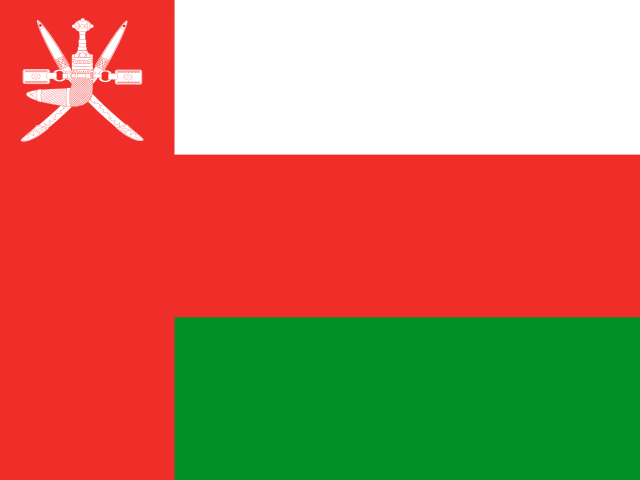
Oman's flag has three horizontal bands – white, red and green – with a vertical red stripe along the hoist. In the top corner of the red stripe is the national emblem: a khanjar (curved dagger) crossed with two swords, in white.
The horizontal white-red-green with a red vertical bar is unique. The UAE uses green-white-black horizontals with a red vertical bar, which is the one to compare it against: if the horizontal bands are white, red and green and there's a dagger emblem in the corner, it's Oman.
A short history of Oman
Oman's history has always faced the sea. More than 4,000 years ago, the region known as Magan traded copper with Mesopotamia, and stone tombs from that era still stand on ridges near Bat and Al-Ayn. Oasis farmers built falaj channels to carry water from the mountains to their fields, a system still used today.
Islam arrived in the 600s, and Oman became a heartland of Ibadi Islam, a branch distinct from both Sunni and Shia. For centuries, elected imams ruled the interior from towns such as Nizwa and Rustaq, while ports like Sohar grew rich from trade with India, East Africa and China. Sohar is often linked to the legend of Sinbad the Sailor.
In 1507 the Portuguese captured Muscat and other coastal towns to control the route to India. The Omanis drove them out in 1650 under the Ya'ariba dynasty, then chased them down the East African coast. The Al Said dynasty, which still rules, came to power in the 1740s. By the 1800s Oman had a trading empire stretching from Zanzibar to Gwadar on the coast of today's Pakistan, which Oman held until 1958. When the empire was split between two branches of the ruling family in 1861, Oman lost Zanzibar and its wealth declined.
For much of the 20th century the country was divided between the sultan on the coast and the imams of the interior, and it was one of the most closed countries in the world. A rebellion in Dhofar, in the south, lasted from 1965 to 1975. In 1970 Sultan Qaboos took power from his father and began rapid modernisation, building roads, schools and hospitals almost from nothing, and renaming the state the Sultanate of Oman.
Oil and gas have paid for that progress. Today Oman is trying to diversify into tourism, logistics and fishing, and is known for quiet diplomacy, often acting as a go-between in regional disputes.
Culture and daily life in Oman
Arabic is the official language, but the past can be heard in the streets. Swahili is still spoken by families with roots in Zanzibar, Baluchi by descendants of people from the Makran coast, and several ancient South Arabian languages, such as Mehri and Jibbali, survive in Dhofar. Ibadi Islam, known for its tolerance, is the faith of the ruling family and a large share of Omanis, and Sunni and Shia communities live alongside them.
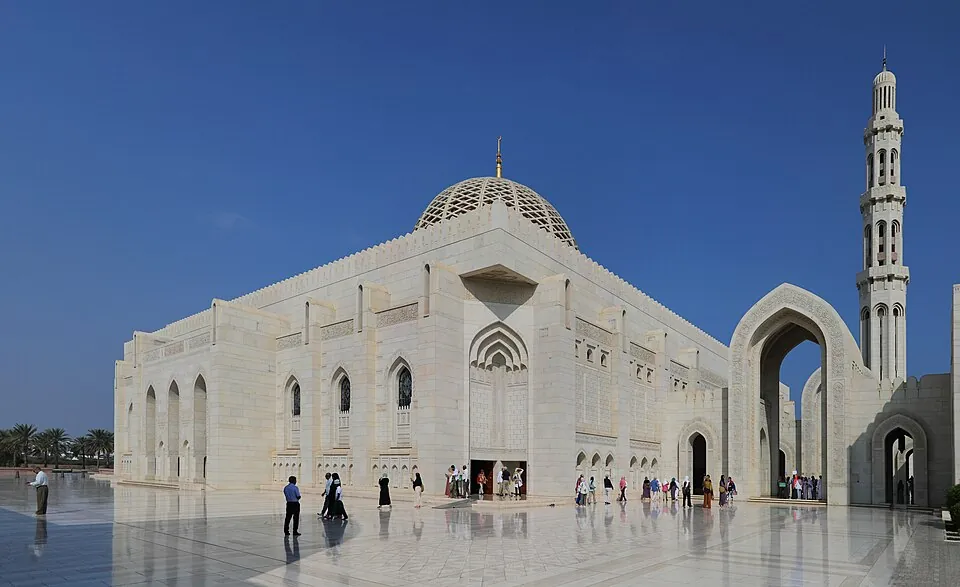
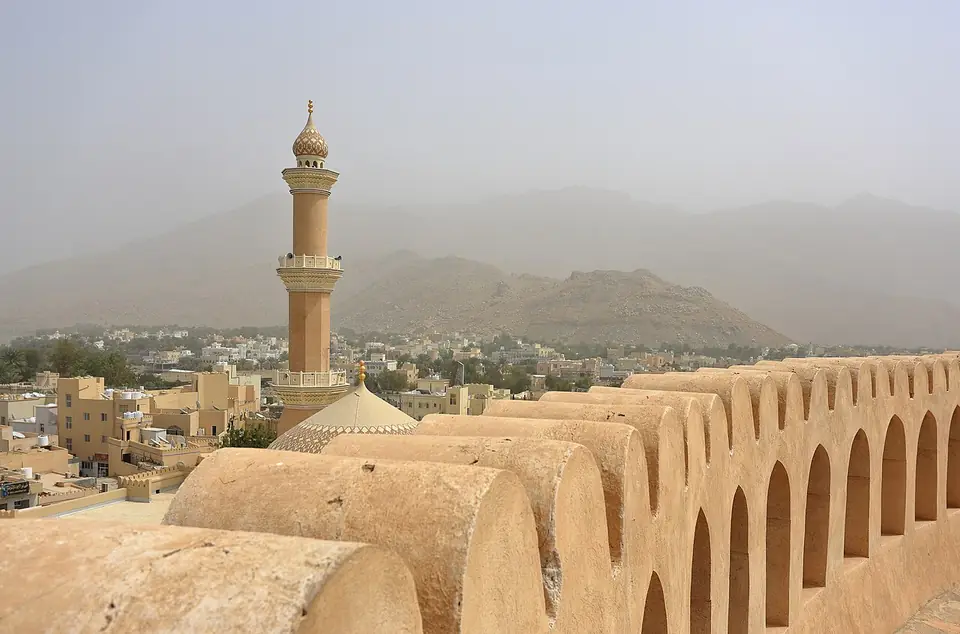
Architecture is a point of pride. Hundreds of forts and watchtowers dot the country, and Bahla Fort is a UNESCO World Heritage site. The Sultan Qaboos Grand Mosque in Muscat holds one of the largest hand-woven carpets in the world. Shipbuilding is an old craft too: wooden dhows were sewn or nailed together in Sur for centuries.
Men wear the dishdasha, a long white robe, often with an embroidered cap called a kumma. Camel racing and traditional sword dances are performed at celebrations, while sailing and football have grown in popularity. Silver jewellery, pottery from Bahla and woven goods are sold in the old souq of Mutrah in Muscat.
Five facts worth knowing
- Oman is a sultanate, ruled by Sultan Haitham bin Tariq since 2020 following the fifty-year reign of Sultan Qaboos.
- The Musandam Peninsula is an exclave separated from the rest of Oman by UAE territory; its cliffs and inlets are often called the "Norway of Arabia".
- Oman once ruled Zanzibar, off the coast of Tanzania, and the sultan moved his capital there in the 1800s.
- Frankincense from the southern Dhofar region was one of the ancient world's most valuable trade goods; the Land of Frankincense sites are a UNESCO World Heritage listing.
- The Hajar Mountains run parallel to the north-east coast, with Jebel Shams, the highest point, rising to about 3,000 metres.
Culture and traditions in Oman
- Saying hello
"As-salamu alaykum" with a handshake; greetings include questions about health and family.
- Food and drink
Shuwa, marinated lamb slow-cooked underground for up to two days, and kahwa, cardamom coffee served with dates.
- Festivals and traditions
Eid celebrations are the biggest events; the Muscat Festival is held in winter (usually January-February).
- Everyday life
Hospitality is central, and accepting coffee is polite. Modest dress is appreciated in public.
- Did you know?
Oman is a top source of frankincense, which has been traded from its Dhofar region for thousands of years.
Common mistakes
- Tapping Yemen – the other corner of the peninsula, and a similar long-coast shape.
- Tapping the UAE, the smaller neighbour tucked into Oman's northern side.
- Forgetting Musandam, so the outline in Mystery Country has a surprising extra piece at the top.
Practise with Oman
- Asia quiz – the eastern corner of Arabia.
- Middle East quiz – a zoomed-in map where Oman's wrap around the UAE is clear.
- Asia flags – white, red and green with a dagger emblem.
- Asia capitals quiz – Muscat.
- Mystery Country – a curved coastal outline with a small detached piece to the north.
Nearby countries
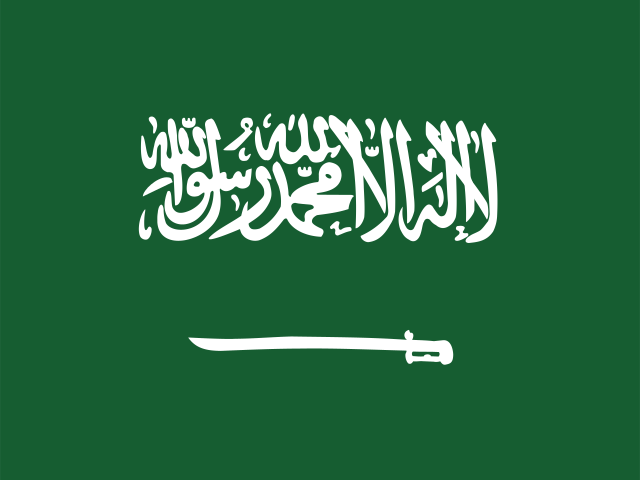 Saudi ArabiaRiyadh
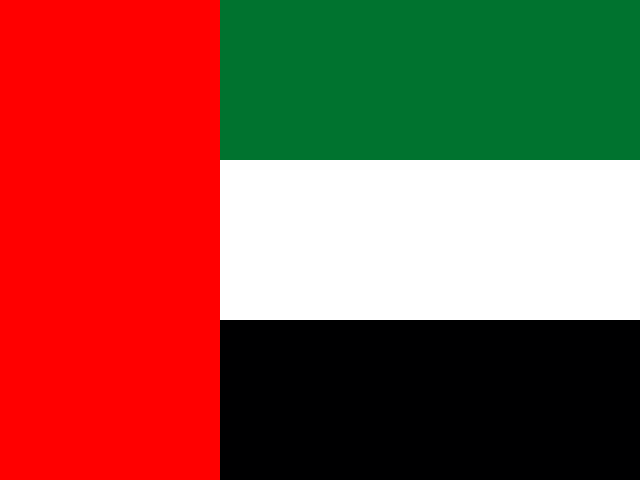 United Arab EmiratesAbu Dhabi
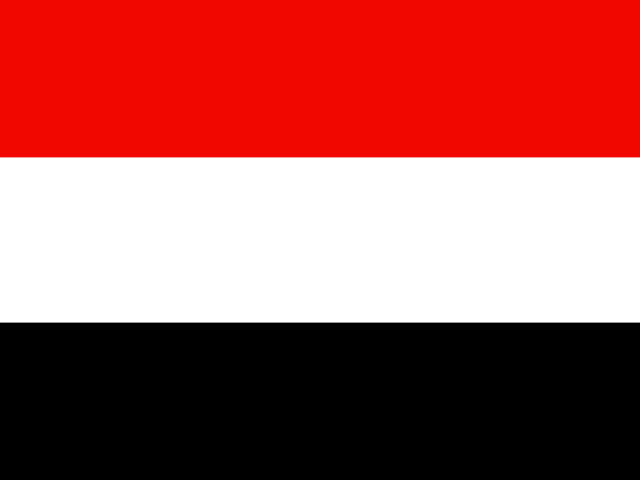 YemenSana'a
Quick check: how well do you know Oman?
3 questions, no sign-up. Tap an answer.
1. Which flag belongs to Oman?
That's the flag of Oman.
2. What is the capital of Oman?
The capital of Oman is Muscat.
3. Which of these countries borders Oman?
Saudi Arabia, the United Arab Emirates and Yemen border Oman.
Keep going on the Asia quiz – Oman is one of 48 countries there.
More ways to practise: find Oman on the blank map with no borders (hard mode), or play today's Globe and the other daily puzzles.
Frequently asked questions about Oman
What language is spoken in Oman?
Arabic is the official language and the main language of daily life. English is widely used in business, education and tourism. Balochi and Swahili are spoken in some families, and small Modern South Arabian languages such as Mehri, Jibbali and Harsusi survive in the south and the desert interior.
What currency does Oman use?
Oman uses the Omani rial (OMR), divided into 1,000 baisa. It is pegged to the US dollar and is one of the highest-valued currency units in the world, with one rial worth about 2.60 US dollars.
What time zone is Oman in?
Oman is on Gulf Standard Time, UTC+4, all year round. It does not use daylight saving time, and its clocks match those of the United Arab Emirates.
Which side of the road do they drive on in Oman?
Oman drives on the right. Modern highways link Muscat with Sohar, Nizwa and Salalah, while four-wheel-drive vehicles are needed for the wadis and mountain tracks of the Hajar Mountains.
What is the highest point in Oman?
Jebel Shams, the "mountain of the sun", is the highest point at about 3,000 metres. It overlooks Wadi Ghul, a deep gorge often called the Grand Canyon of Arabia.
What is the Land of Frankincense?
In Dhofar, in southern Oman, frankincense trees grow wild, and their resin was traded across the ancient world. The UNESCO site "Land of Frankincense" includes trees at Wadi Dawkah and the ruins of ancient trading ports such as Sumhuram and Al-Baleed.
Quizzes with Oman
Guides that help with this
- Oceans, seas, rivers and mountainsThe physical map: seas around each continent, the big rivers and ranges.
- Flags that look alike (and how to tell them apart)Chad or Romania? Australia or New Zealand? The flag pairs that cost quiz points.
- The 25 hardest countries to find on a mapPacific islands, Caribbean islands and landlocked Africa – where they are.