United Kingdom
Capital: London. The United Kingdom is one of the 46 countries in the Europe quiz.
Quick answers: What is the capital of the United Kingdom? · Which countries border the United Kingdom?
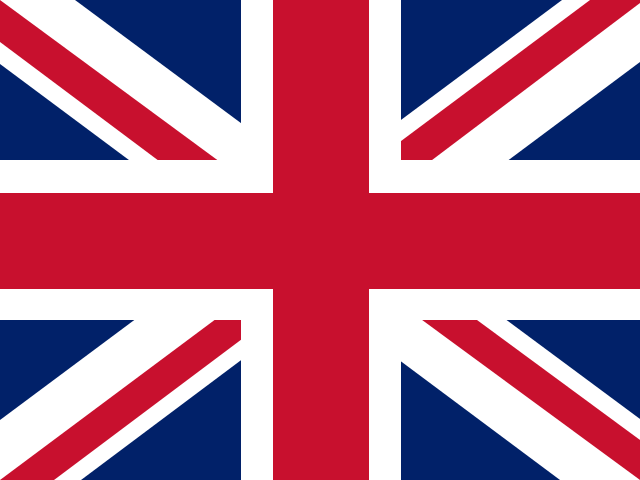
Facts about the United Kingdom
- CapitalLondon
- Population69.5 million
- Area242,900 km²
- RegionEurope
- LanguageEnglish
- CurrencyPound sterling (GBP)
The United Kingdom is the 3rd most populous of the 46 countries in Europe and the 11th largest by area. Worldwide it ranks 22nd by population and 78th by area.
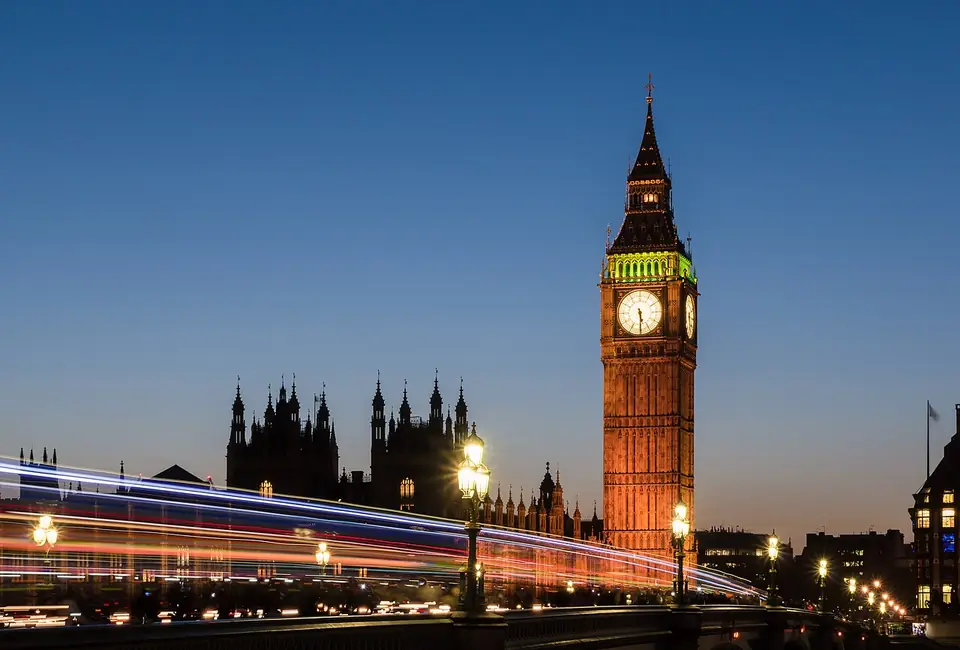
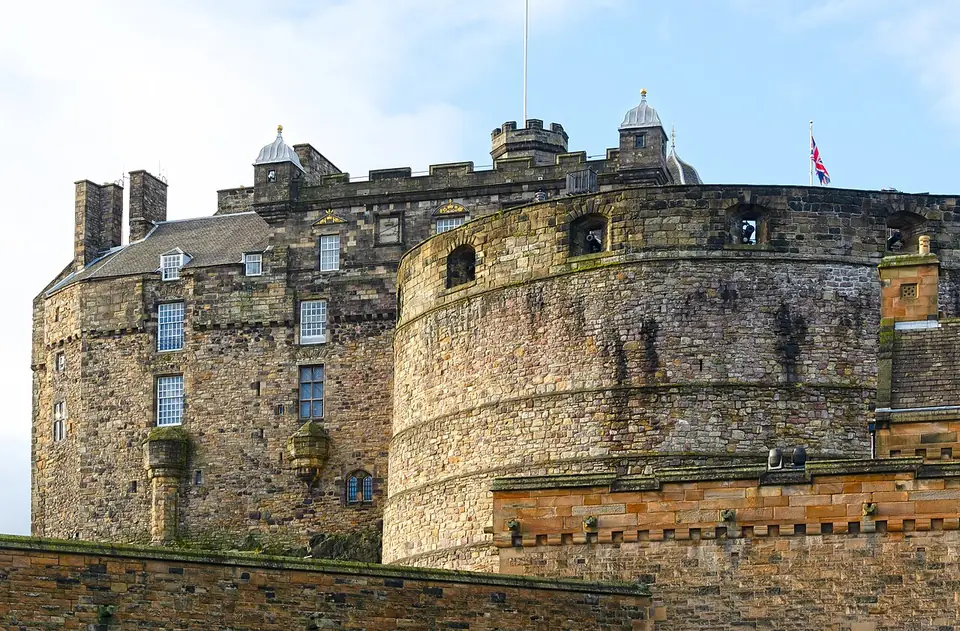
Where is the United Kingdom?
The United Kingdom is an island country off the north-west coast of mainland Europe. It covers the whole island of Great Britain – England, Scotland and Wales – plus Northern Ireland, which shares the island of Ireland with the Republic of Ireland. The English Channel separates it from France to the south; at the Strait of Dover the gap is only about 33 km. The North Sea lies to the east, facing Norway, Denmark, Germany, the Netherlands and Belgium. London, the capital, is in the south-east of England on the River Thames.
How to find the United Kingdom on the map
- Start from France. The large island directly north of France, across the Channel, is Great Britain.
- Look for the pair of islands. Great Britain is the bigger, eastern one; Ireland is the smaller, western one. Only the north-east corner of Ireland belongs to the UK.
- Don't confuse it with Ireland. Many players tap the whole of Ireland. The Republic of Ireland is a separate country.
- Scotland is part of it. The ragged, loch-filled northern third of Great Britain is still the UK, as are the Shetland and Orkney islands beyond it.
Flag
The Union Jack (officially the Union Flag) combines three crosses: the red cross of St George for England, the white diagonal cross of St Andrew for Scotland, and the red diagonal cross of St Patrick for Ireland. Wales is not represented, because it was already joined to England when the first Union Flag was designed in 1606.
The flag is not symmetrical – the red diagonals are offset from the white ones – which is why it is often flown upside down by accident. In the Flags quiz, look for the Union Jack hidden in the corner of other flags: Australia, New Zealand, Fiji and Tuvalu all carry it, as do several British Overseas Territories.
A short history of the United Kingdom
Britain was an island of farmers and monument builders long before written history – Stonehenge was raised in stages from around 3000 BC. In AD 43 the Romans invaded and ruled most of what is now England and Wales for nearly four centuries, building Hadrian's Wall across the north. After they left, Angles, Saxons and Jutes from across the North Sea settled the lowlands, giving England its name and language, while Celtic speech survived in Wales, Scotland and Ireland. Viking raids followed, and in 1066 William the Conqueror of Normandy seized the English throne, bringing French into the language and the court.
England conquered Wales in the 1280s, and Henry VIII's laws formally joined the two in the 1530s. In 1603 James VI of Scotland inherited the English crown, and the Acts of Union of 1707 merged the two kingdoms into Great Britain with one parliament. In 1801 Ireland was added, creating the United Kingdom. Earlier, a civil war in the 1640s and the "Glorious Revolution" of 1688 had established that parliament, not the monarch, held real power.
From the 1700s Britain led the world into the Industrial Revolution, powered by coal, steam and textile mills in cities like Manchester and Glasgow. Its navy and trade built the largest empire in history, which at its height in the early 1900s covered about a quarter of the world's land. That is why English is spoken so widely today.
After a war of independence, most of Ireland left the UK in 1922, leaving Northern Ireland behind – the reason the border cuts the island in two. Decades of conflict known as the Troubles ended largely with the Good Friday Agreement of 1998. Britain stood against Nazi Germany in the Second World War, then built the welfare state and the National Health Service in 1948, while the empire was dissolved into the Commonwealth. Scotland and Wales gained their own parliaments in 1999. The UK joined the European Community in 1973 and left the EU in 2020 after the 2016 Brexit referendum.
Today the UK has a large service economy, with London one of the world's biggest financial centres, and it keeps a permanent seat on the UN Security Council.
Culture and daily life in the United Kingdom
English dominates, but Welsh is spoken by a sizeable minority in Wales and appears on every road sign there, while Scottish Gaelic survives in the Highlands and Islands. The Church of England is the official church in England, with the monarch as its head, yet Britain is now one of the less religious countries in Europe, and large Muslim, Hindu and Sikh communities have grown since the 1950s.
The country's literary weight is enormous: William Shakespeare, Jane Austen, Charles Dickens and the Brontë sisters are read worldwide, and J. K. Rowling's Harry Potter books are among the best-selling of all time. In music, the Beatles and the Rolling Stones led the 1960s "British Invasion" of America, and acts from Queen to Adele followed.
Britain codified many of the world's sports, including football, rugby, cricket and tennis, and Wimbledon is the oldest tennis tournament. Each 5 November, Bonfire Night marks the failed Gunpowder Plot of 1605 with fireworks and bonfires. Gardening, from allotments to the Chelsea Flower Show, is a passion.
Five facts worth knowing
- The UK is four nations in one state. England, Scotland, Wales and Northern Ireland each have their own football team, but a single seat at the United Nations.
- The only land border is with the Republic of Ireland, about 500 km long, running through Northern Ireland.
- The Channel Tunnel links the UK to France. Opened in 1994, it runs about 50 km between Folkestone and Coquelles, most of it under the sea.
- The Crown Dependencies are not in the UK. The Isle of Man, Jersey and Guernsey are self-governing possessions of the Crown and don't appear in the UK outline.
- Great Britain and the UK are not the same thing. Great Britain is the island; the United Kingdom is the country, which adds Northern Ireland.
Culture and traditions in the United Kingdom
- Saying hello
A handshake when meeting, or a casual "Hiya" or "All right?" among friends.
- Food and drink
Fish and chips; Sunday roast with Yorkshire pudding; a cup of tea, usually with milk.
- Festivals and traditions
Bonfire Night on 5 November, with fireworks; Notting Hill Carnival in London over the August bank holiday weekend.
- Everyday life
Queueing patiently is taken seriously, and "please", "thank you" and "sorry" are used constantly. In pubs, friends often buy drinks in rounds.
- Did you know?
People in the UK drink an estimated 100 million cups of tea every day.
Common mistakes
- Tapping the Republic of Ireland – or tapping only England and missing Scotland.
- Typing "England" or "Britain" when the quiz wants the country name.
- Confusing the Union Jack with the Australian or New Zealand flag, which both contain it.
Practise with the United Kingdom
- Europe quiz – the UK is the island off the north-west coast; the trick is not to confuse it with Ireland.
- Europe flags – learn the Union Jack and spot it inside the Australian and New Zealand flags in Oceania flags.
- Europe capitals quiz – London is one of the easiest answers on the sheet.
- Mystery Country – the outline is distinctive: the long, jagged shape of Great Britain with the corner of Ireland attached.
- Mistake Bank – if you keep mixing up the UK and Ireland, the pair will come back here until you've learned it.
Nearby countries
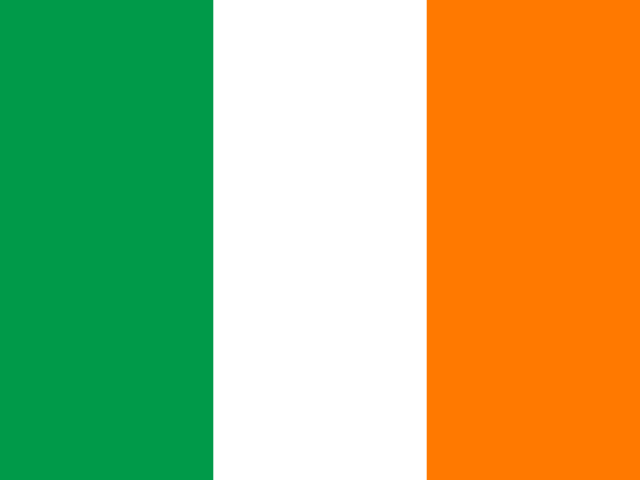 IrelandDublin
Quick check: how well do you know the United Kingdom?
3 questions, no sign-up. Tap an answer.
1. Which flag belongs to the United Kingdom?
That's the flag of the United Kingdom.
2. What is the capital of the United Kingdom?
The capital of the United Kingdom is London.
3. Which of these countries borders the United Kingdom?
Ireland borders the United Kingdom.
Keep going on the Europe quiz – United Kingdom is one of 46 countries there.
More ways to practise: find the United Kingdom on the blank map with no borders (hard mode), or play today's Globe and the other daily puzzles.
Frequently asked questions about the United Kingdom
What language is spoken in the United Kingdom?
English is the main language and is spoken by almost everyone. Welsh has official status in Wales and is spoken by about a sixth of people there. Scottish Gaelic, Scots, Irish and Cornish are also recognised regional languages.
What currency does the United Kingdom use?
The UK uses the pound sterling (GBP), the oldest currency still in use, dating back more than 1,200 years. The UK never joined the euro. Scottish and Northern Irish banks also issue their own pound notes.
What time zone is the United Kingdom in?
The UK uses Greenwich Mean Time, UTC+0, in winter and British Summer Time, UTC+1, from late March to late October. The Greenwich meridian, the starting point for world time zones, runs through London.
Which side of the road do they drive on in the United Kingdom?
The UK drives on the left, one of only a few countries in Europe to do so, along with Ireland, Malta and Cyprus. Drivers going through the Channel Tunnel switch sides when they reach France.
What is the highest point in the United Kingdom?
The highest point is Ben Nevis in the Scottish Highlands, at about 1,345 metres. Snowdon (Yr Wyddfa) is the highest in Wales and Scafell Pike the highest in England.
What is the difference between the UK, Great Britain and England?
England is one of four countries in the UK, alongside Scotland, Wales and Northern Ireland. Great Britain is the largest island, holding England, Scotland and Wales. The United Kingdom is the whole state, adding Northern Ireland.
Quizzes with the United Kingdom
Often confused with
Guides that help with this
- All 46 European capitals, with a memory trick for eachCapitals grouped by region, with hooks for the ones people forget.
- Flags that look alike (and how to tell them apart)Chad or Romania? Australia or New Zealand? The flag pairs that cost quiz points.
- The 25 hardest countries to find on a mapPacific islands, Caribbean islands and landlocked Africa – where they are.