Afghanistan
Capital: Kabul. Afghanistan is one of the 48 countries in the Asia quiz.
Quick answers: What is the capital of Afghanistan? · Which countries border Afghanistan?
Facts about Afghanistan
- CapitalKabul
- Population43.8 million
- Area652,230 km²
- RegionsAsia, Central & South Asia
- LanguagesPashto, Persian, Uzbek, Turkmen
- CurrencyAfghan afghani (AFN)
Afghanistan is the 15th most populous of the 48 countries in Asia and the 11th largest by area. Worldwide it ranks 36th by population and 40th by area.
Where is Afghanistan?
Afghanistan is a landlocked country in the heart of Asia, where the Middle East, Central Asia and the Indian subcontinent meet. Iran lies to the west, Pakistan to the south and east, and Turkmenistan, Uzbekistan and Tajikistan to the north. In the far north-east, a thin strip of land called the Wakhan Corridor reaches out to touch China. Kabul, the capital, is in the east, in a valley of the Hindu Kush.
On a world map, find Iran and Pakistan. Afghanistan is the country tucked in above Pakistan and to the right of Iran, with no coastline at all.
How to find Afghanistan on the map
- Start from Iran. Afghanistan is the country directly east of Iran's eastern border.
- Look for the Wakhan Corridor. The narrow finger of land pointing east towards China is unique – no other country in the region has one.
- It's landlocked. If the shape you're about to tap touches the sea, it's Pakistan or Iran.
- Don't confuse it with Pakistan, which wraps around Afghanistan's south and east and reaches the coast.
Flag
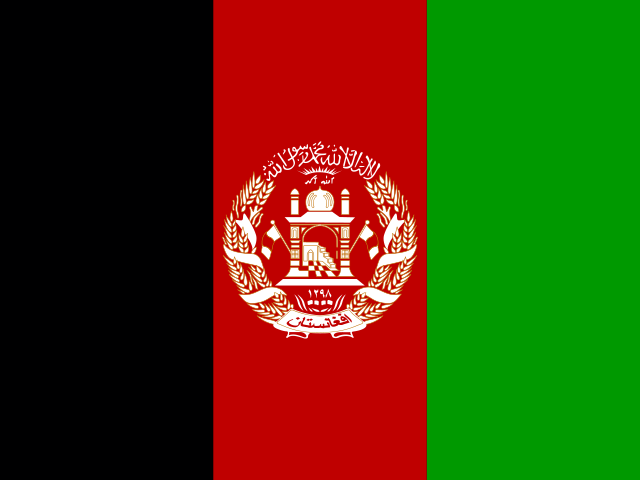
Afghanistan's flag has changed more often than almost any other in the world. The flag most people learned is a vertical tricolour of black, red and green with a white national emblem in the centre, used by the republic until 2021. Since the Taliban takeover, the flag flown inside the country is plain white with the Shahada, the Islamic declaration of faith, in black.
Quizzes and atlases don't all agree. The Flags quiz on this site uses the black-red-green tricolour with the emblem, which is still the flag most international lists show – but a white flag with black Arabic script also points to Afghanistan.
A short history of Afghanistan
For thousands of years, armies and traders have crossed this land on their way between Persia, India and Central Asia. It was part of the Persian Achaemenid Empire before Alexander the Great marched through in the 330s BC. His successors founded a Greek kingdom in Bactria, in the north, and later the Kushan Empire made the region a centre of Buddhism. The giant Buddhas carved into the cliffs at Bamiyan stood for about 1,500 years until they were blown up in 2001.
Islam arrived from the 7th century onwards. Around the year 1000, Mahmud of Ghazni ruled an empire stretching into India from his capital south of Kabul. Genghis Khan's Mongols destroyed cities such as Balkh and Herat in the 1220s, but Herat recovered to become a brilliant centre of art and learning under the Timurids. In 1526 Babur, who had ruled from Kabul, went on to found the Mughal Empire in India.
The modern state began in 1747, when Ahmad Shah Durrani united the Pashtun tribes and built an empire from Kandahar. His son later moved the capital to Kabul. In the 1800s Afghanistan was caught between Britain and Russia in the so-called Great Game. In 1893 the Durand Line was drawn as the border with British India. It cut straight through Pashtun lands, which is why millions of Pashtuns live in Pakistan today. Afghanistan gained full control of its foreign affairs in 1919.
A monarchy ruled until 1973. A communist coup in 1978 was followed by a Soviet invasion in 1979 and a decade of war against mujahideen fighters. After Soviet troops left in 1989, civil war broke out, and the Taliban took Kabul in 1996. A US-led invasion after the attacks of 11 September 2001 brought in a new republic, but the Taliban returned to power in August 2021.
Afghanistan today is one of the poorest countries in the world and relies heavily on farming and foreign aid. Most countries have not formally recognised the Taliban government, partly over its bans on girls' secondary education.
Culture and daily life in Afghanistan
Two languages are official: Dari, a form of Persian, and Pashto. Dari reflects centuries of Persian culture, while Pashto is the language of the Pashtuns, the largest ethnic group. Tajiks, Hazaras, Uzbeks and Turkmen add their own languages too. Almost everyone is Muslim, mostly Sunni, with a Shia minority that includes most Hazaras.
Poetry is deeply loved. The great Persian poet Rumi is traditionally said to have been born in Balkh, and Herat produced the poet Jami in the 1400s. Pashto poets such as Rahman Baba are still recited from memory. Music centres on the rubab, a short-necked lute often called the national instrument, and the singer Ahmad Zahir remains a legend decades after his death. The attan, a circle dance that speeds up as it goes, is performed at weddings and celebrations.
Afghan crafts are famous, especially hand-knotted carpets and the deep blue lapis lazuli mined in Badakhshan since ancient times. Kite fighting, made known abroad by Khaled Hosseini's novel The Kite Runner, fills the skies on holidays. In sport, the national cricket team has risen remarkably fast, with players like spin bowler Rashid Khan becoming stars worldwide.
Five facts worth knowing
- Afghanistan borders six countries – Iran, Turkmenistan, Uzbekistan, Tajikistan, China and Pakistan.
- The Hindu Kush mountains cover most of the country. The highest peak, Noshaq, rises to over 7,400 metres on the Pakistani border.
- The Wakhan Corridor was drawn in the 1890s as a buffer so that British India and the Russian Empire never shared a border.
- Afghanistan never became a European colony, though it fought three wars with Britain.
- Kabul sits at around 1,800 metres above sea level, one of the highest capitals in the world.
Culture and traditions in Afghanistan
- Saying hello
People greet with "Assalamu alaikum", often with a hand placed on the heart.
- Food and drink
Kabuli pulao (rice with carrots, raisins and lamb) and mantu (steamed meat dumplings).
- Festivals and traditions
Nowruz, the Persian New Year, on 21 March marks the start of spring.
- Everyday life
Green tea is offered to every guest. Shoes come off indoors, and meals are often eaten seated on floor cushions.
- Did you know?
Buzkashi, the national sport, has riders on horseback competing to carry a goat carcass to a goal.
Common mistakes
- Tapping Pakistan – it's the coastal neighbour wrapping Afghanistan's south and east.
- Tapping Tajikistan or Uzbekistan, which sit just above the northern border.
- Forgetting the Wakhan Corridor, which makes the outline look odd in Mystery Country.
Practise with Afghanistan
- Asia quiz – the landlocked country between Iran and Pakistan.
- Central & South Asia quiz – a smaller map where Afghanistan's thin eastern corridor is easy to spot.
- Asia flags – learn which version of the flag the quiz is using.
- Mystery Country – the rounded shape with a tail pointing east is a giveaway.
Nearby countries
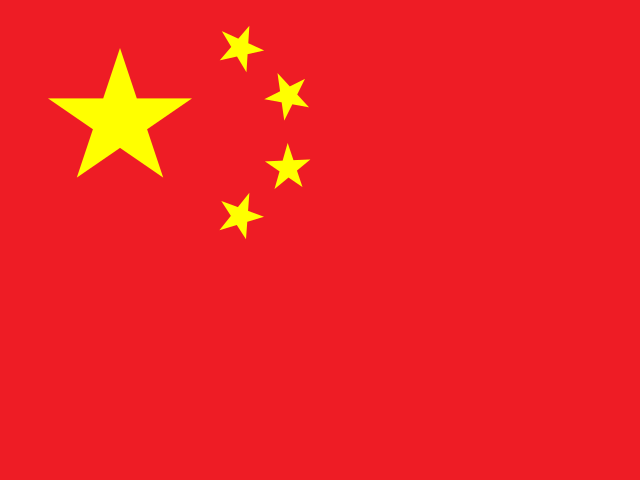 ChinaBeijing
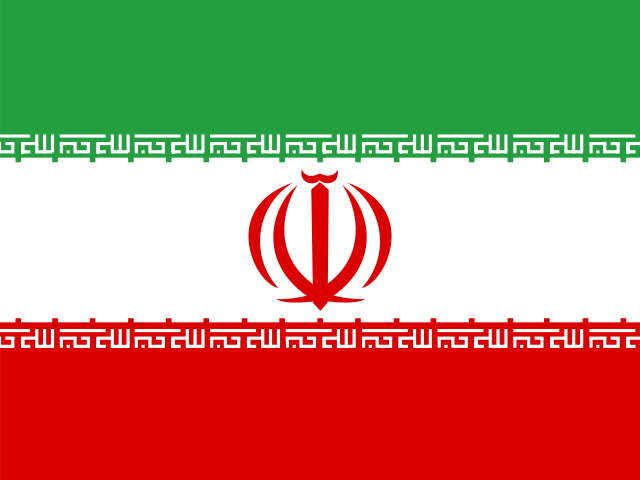 IranTehran
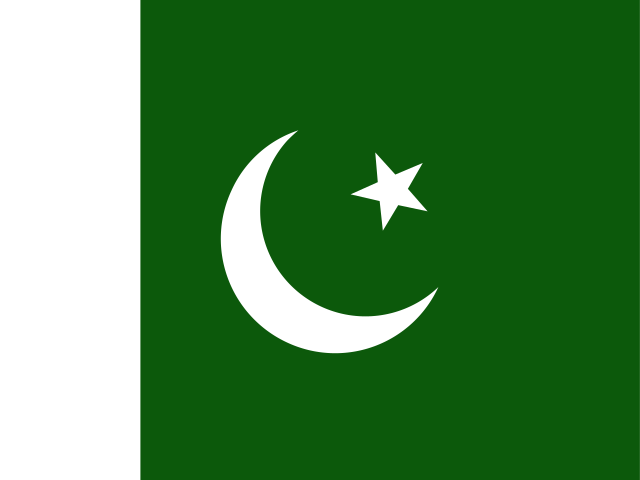 PakistanIslamabad
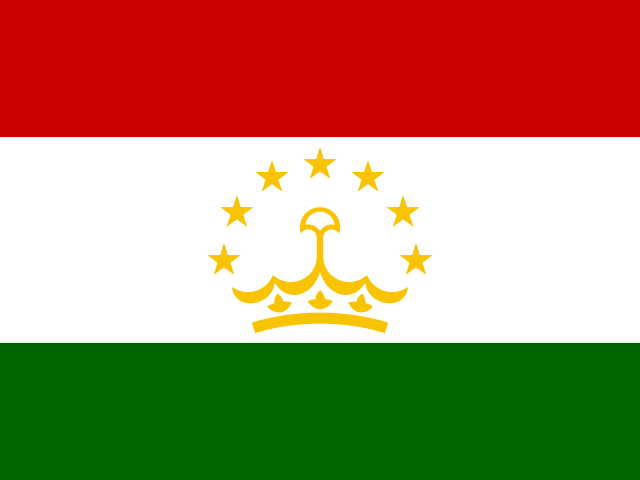 TajikistanDushanbe
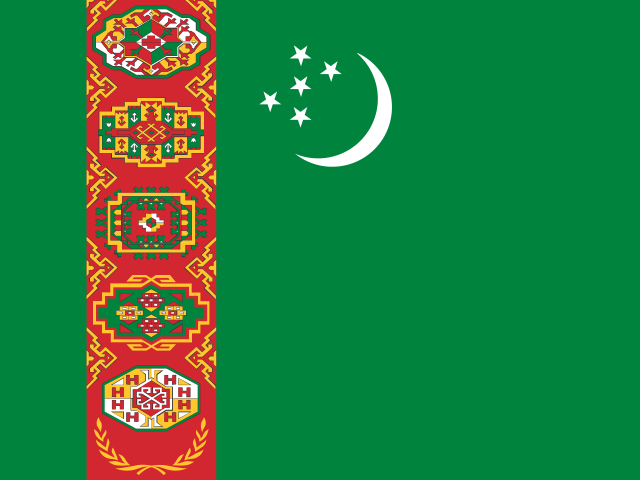 TurkmenistanAshgabat
 UzbekistanTashkent
Quick check: how well do you know Afghanistan?
3 questions, no sign-up. Tap an answer.
1. Which flag belongs to Afghanistan?
That's the flag of Afghanistan.
2. What is the capital of Afghanistan?
The capital of Afghanistan is Kabul.
3. Which of these countries borders Afghanistan?
China, Iran, Pakistan, Tajikistan, Turkmenistan and Uzbekistan border Afghanistan.
Keep going on the Asia quiz – Afghanistan is one of 48 countries there.
More ways to practise: find Afghanistan on the blank map with no borders (hard mode), or play today's Globe and the other daily puzzles.
Frequently asked questions about Afghanistan
What language is spoken in Afghanistan?
Dari, the Afghan form of Persian, and Pashto are the two official languages. Dari is the usual common language between different groups, while Pashto is the mother tongue of the Pashtuns. Uzbek and Turkmen are widely spoken in the north, where they have regional recognition.
What currency does Afghanistan use?
Afghanistan uses the afghani (AFN). The modern afghani was introduced in 2002, replacing old notes at a rate of 1,000 to one after years in which rival factions had printed their own money.
What time zone is Afghanistan in?
Afghanistan is on UTC+4:30 all year round, with no daylight saving time. It is one of the few countries that uses a half-hour offset, which puts it one hour ahead of neighbouring Iran and half an hour behind Pakistan.
Which side of the road do they drive on in Afghanistan?
Traffic in Afghanistan drives on the right. This differs from neighbouring Pakistan, which drives on the left, so goods and vehicles crossing the Khyber Pass switch sides at the border.
What is the highest point in Afghanistan?
The highest point is Noshaq, about 7,492 metres, in the Hindu Kush on the border with Pakistan at the eastern end of the country. It is the second-highest peak of the Hindu Kush range after Tirich Mir in Pakistan.
Why is Afghanistan called Afghanistan?
The name means "land of the Afghans". The ending -stan comes from Persian and means "place" or "land", as in Uzbekistan and Pakistan. Historically "Afghan" referred mainly to the Pashtuns, but today it describes every citizen of the country.
Quizzes with Afghanistan
Guides that help with this
- Oceans, seas, rivers and mountainsThe physical map: seas around each continent, the big rivers and ranges.
- Flags that look alike (and how to tell them apart)Chad or Romania? Australia or New Zealand? The flag pairs that cost quiz points.
- The 25 hardest countries to find on a mapPacific islands, Caribbean islands and landlocked Africa – where they are.