China
Capital: Beijing. China is one of the 48 countries in the Asia quiz.
Quick answers: What is the capital of China? · Which countries border China?
Facts about China
- CapitalBeijing
- Population1,406.6 million
- Area9,706,961 km²
- RegionsAsia, East Asia
- LanguageChinese
- CurrencyChinese yuan (CNY)
China is the 2nd most populous of the 48 countries in Asia and the largest by area. Worldwide it ranks 2nd by population and 3rd by area.
Where is China?
China fills the eastern half of the Asian continent. It has 14 land neighbours, more than any country except Russia: Russia and Mongolia to the north; Kazakhstan, Kyrgyzstan, Tajikistan, Afghanistan and Pakistan to the west; India, Nepal and Bhutan along the Himalayas to the south-west; Myanmar, Laos and Vietnam to the south; and North Korea to the north-east. The coast faces the Yellow Sea, the East China Sea and the South China Sea, with Japan, South Korea, Taiwan and the Philippines across the water. Beijing, the capital, is in the north-east, not far inland from the Bohai Sea.
How to find China on the map
- Start from the Pacific coast of Asia. China is the huge country behind the coast, between Russia in the north and Southeast Asia in the south.
- Look for the rooster. Many Chinese describe the outline as a rooster facing east: the head is the north-east (Manchuria), the back is Mongolia's southern border, the tail is Xinjiang in the far west.
- Find the Himalayas. The mountain wall between China and India marks the south-western edge.
- Don't confuse it with Mongolia. Mongolia is the landlocked oval wedged between China and Russia – it is not part of China.
Flag
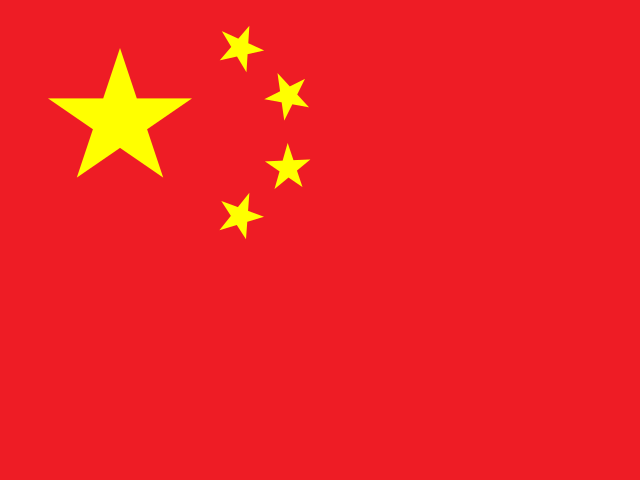
A red field with five yellow stars in the upper hoist corner: one large star with four smaller stars arranged in an arc to its right. Red stands for the revolution; the large star for the Communist Party and the four small ones for the social classes united under it. The flag was adopted in 1949.
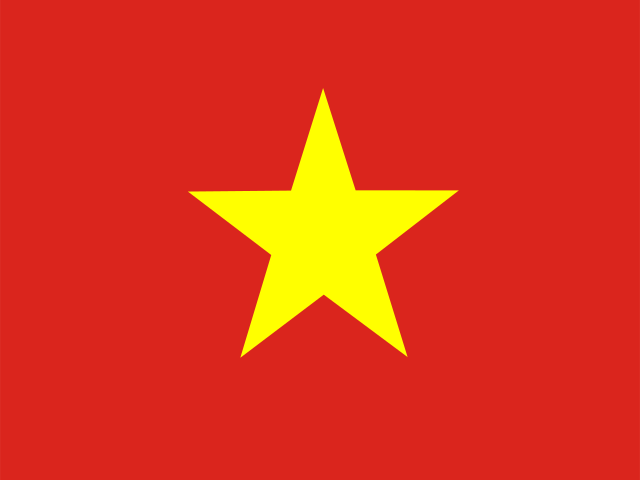
Vietnam's flag is the obvious look-alike – also red, but with a single large yellow star in the centre. If the stars are in the corner and there are five, it's China. If there is one star in the middle, it's Vietnam.
A short history of China
Chinese civilisation grew up along the Yellow River, where farmers grew millet thousands of years ago. The Shang dynasty, from around 1600 BC, left the oldest Chinese writing, scratched on bones used to tell the future. The Zhou dynasty followed, and in its later, war-torn centuries thinkers such as Confucius and Laozi shaped ideas that still guide Chinese life.
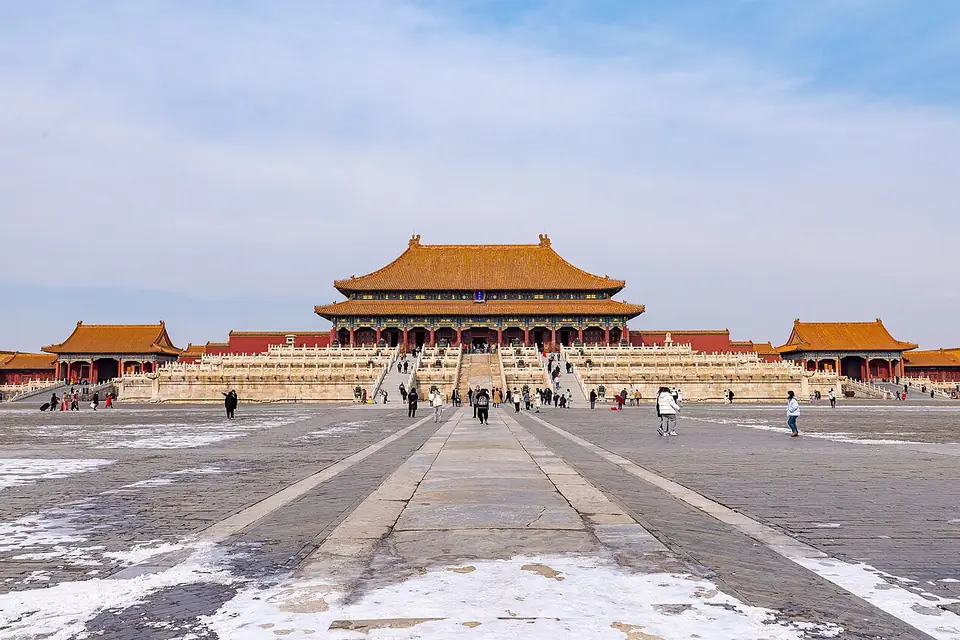
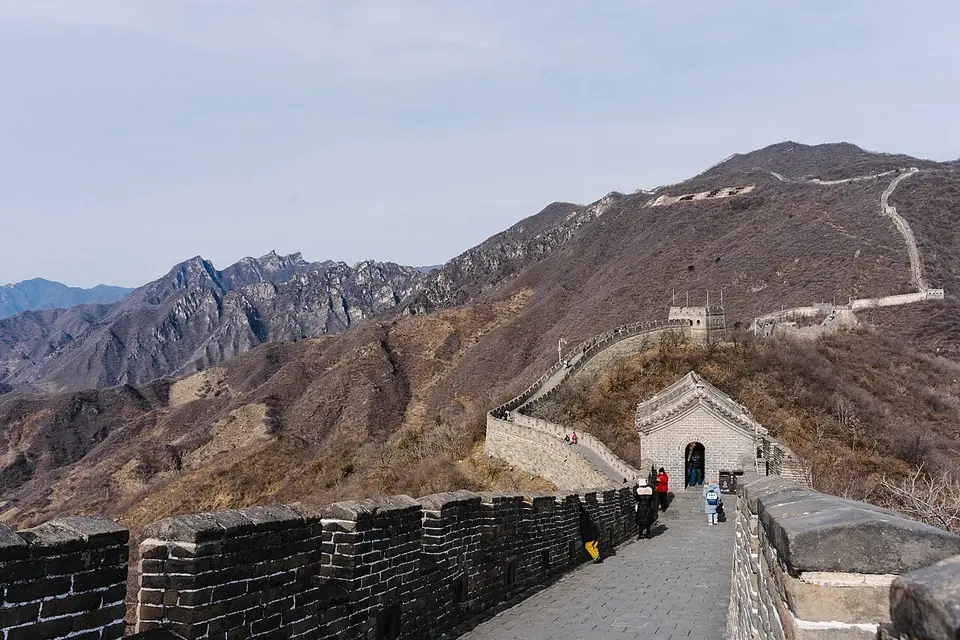
In 221 BC the state of Qin conquered its rivals, and its ruler became the first emperor, Qin Shi Huang. He standardised writing, coins and weights, linked earlier walls into a frontier defence, and was buried with an army of terracotta warriors near Xi'an. The Han dynasty that followed gave its name to China's largest ethnic group and opened the Silk Road to Central Asia. Later dynasties, especially the Tang and Song, saw a golden age of poetry, trade and invention, including printing, gunpowder and the compass. In the 1200s the Mongols under Kublai Khan conquered all of China. The Ming dynasty drove them out, rebuilt the Great Wall in stone and moved the capital to Beijing, where they built the Forbidden City.
The last dynasty, the Qing, came from Manchuria in 1644 and expanded China to roughly its present size, adding Tibet, Xinjiang and Mongolia. In the 1800s it was weakened by the Opium Wars with Britain, the huge Taiping Rebellion and foreign powers seizing ports, which is how Hong Kong became British. The empire fell in 1911–12, and a republic was declared.
Decades of turmoil followed: warlords, civil war between the Nationalists and the Communists, and a brutal Japanese invasion. In 1949 Mao Zedong proclaimed the People's Republic in Beijing, and the Nationalist government retreated to Taiwan. The People's Republic considers Taiwan part of China, while Taiwan governs itself separately. Mao's Great Leap Forward led to a devastating famine, and the Cultural Revolution brought years of chaos. From 1978 Deng Xiaoping opened the economy to markets and foreign investment.
China has since become the world's leading manufacturer and second-largest economy, and it plays a central role in global trade and technology.
Culture and daily life in China
Mandarin, based on the speech of Beijing, is the national language, but many Chinese people grow up speaking Cantonese, Shanghainese, Hokkien and other varieties that are as different from each other as Spanish is from Italian. One reason China has held together is a shared writing system: Chinese characters can be read across these spoken differences. Mainland China uses simplified characters, introduced in the 1950s. Religious life mixes Buddhism, Taoism, Confucian values and folk traditions, while many people describe themselves as non-religious.
Chinese cuisine varies hugely by region, from fiery Sichuan dishes with numbing pepper to delicate Cantonese dim sum. Classic novels such as Journey to the West, about the Monkey King, are known by every child. Traditional arts include calligraphy, ink painting, porcelain and Peking opera with its painted faces.
Table tennis is practically a national sport, and China dominates it at the Olympics. Martial arts such as kung fu and tai chi are practised in parks every morning, often alongside groups of people dancing.
Five facts worth knowing
- China has 14 land neighbours, tied with Russia for the most in the world.
- The country uses a single time zone – Beijing time – even though it spans about 60 degrees of longitude, which would naturally cover five zones.
- China's provinces have their own quiz on this site. The mainland is divided into 22 provinces, five autonomous regions and four municipalities, plus the special administrative regions of Hong Kong and Macau.
- Mount Everest is on the border between China and Nepal. Its summit, 8,849 metres, is the highest point in both countries.
- The Yangtze is the longest river in Asia and the third longest in the world, running about 6,300 km from the Tibetan Plateau to Shanghai.
Culture and traditions in China
- Saying hello
"Ni hao" with a nod or light handshake.
- Food and drink
Peking duck and dumplings (jiaozi), with tea served throughout the meal.
- Festivals and traditions
Spring Festival (Chinese New Year) in January or February; the Mid-Autumn Festival with mooncakes.
- Everyday life
Tipping is uncommon, money is given in red envelopes at festivals, and mobile payments are used almost everywhere.
- Did you know?
The Spring Festival travel rush is often described as the largest annual human migration on Earth.
Common mistakes
- Tapping Mongolia, which sits inside the curve of China's northern border.
- Tapping Kazakhstan when the quiz asks for China's westernmost neighbour – it is one of five on that side.
- Picking Vietnam's flag in the Flags quiz.
- Typing "Shanghai" in the Capitals quiz – the capital is Beijing.
Practise with China
- Asia quiz – China is the big one; the real test is naming the 14 countries around its edge.
- East Asia quiz – a close-up of China, Mongolia, the Koreas, Japan and Taiwan.
- Chinese Provinces – from Heilongjiang in the north-east to Hainan island in the south.
- Asia flags – China versus Vietnam.
- Asia capitals quiz – Beijing.
- Mystery Country – the rooster outline, with the long south-western border and the Manchurian "head".
Nearby countries
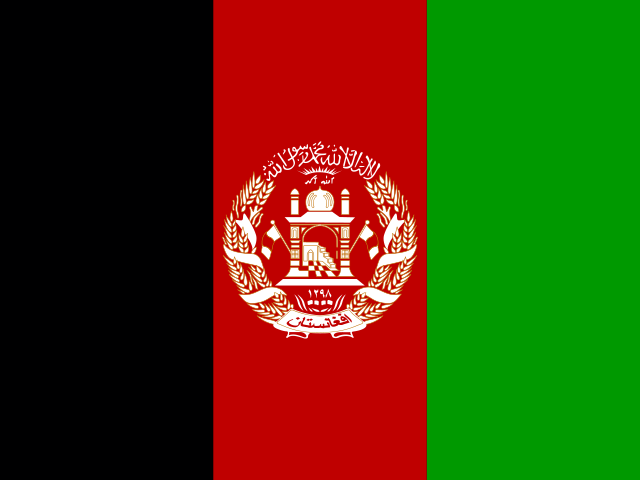 AfghanistanKabul
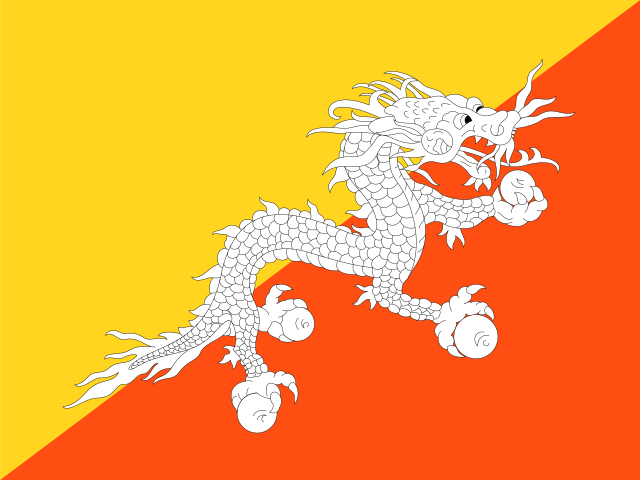 BhutanThimphu
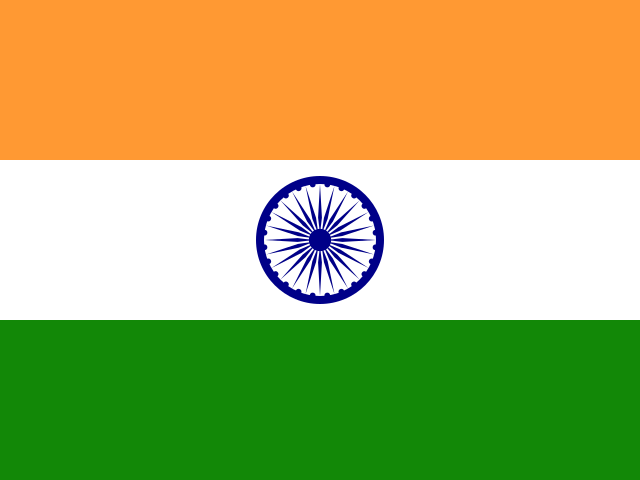 IndiaNew Delhi
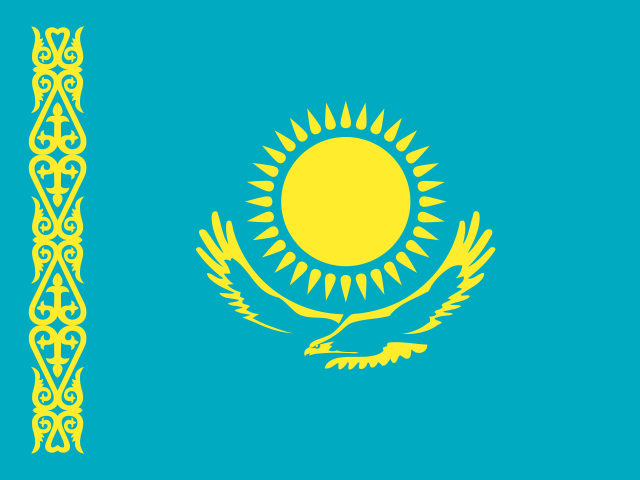 KazakhstanAstana
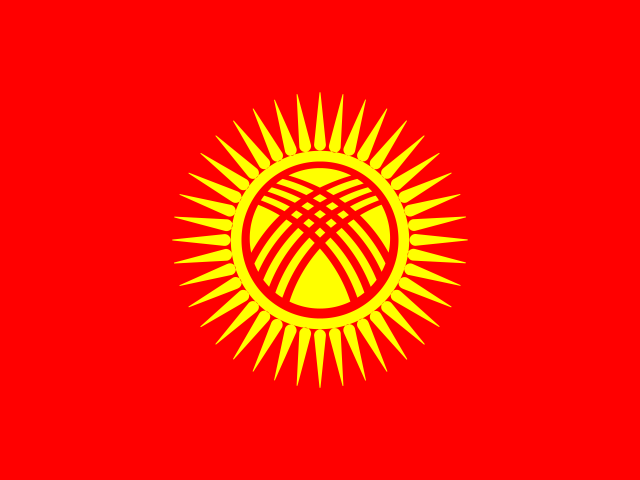 KyrgyzstanBishkek
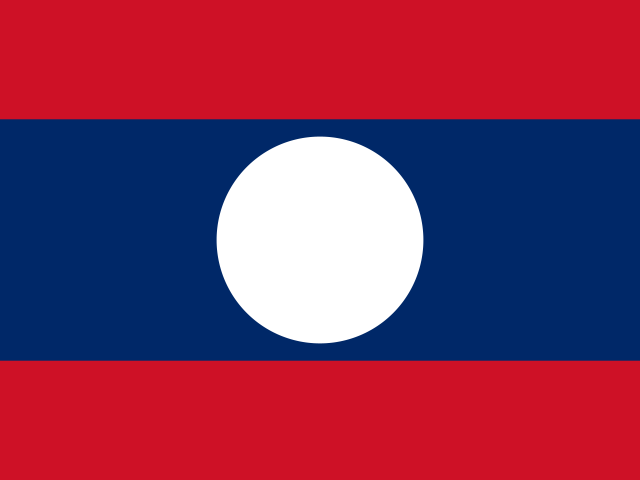 LaosVientiane
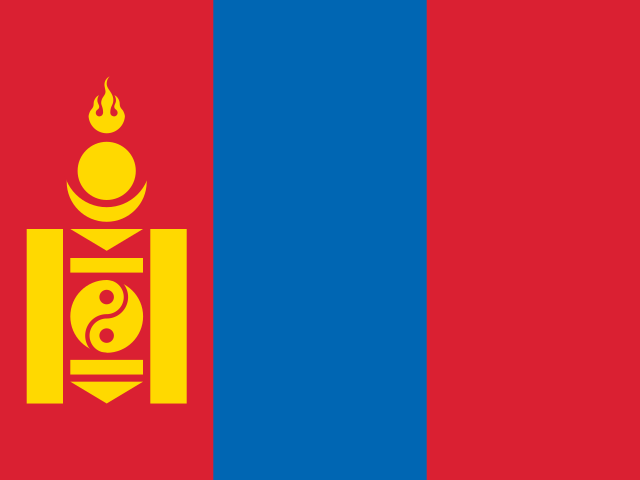 MongoliaUlaanbaatar
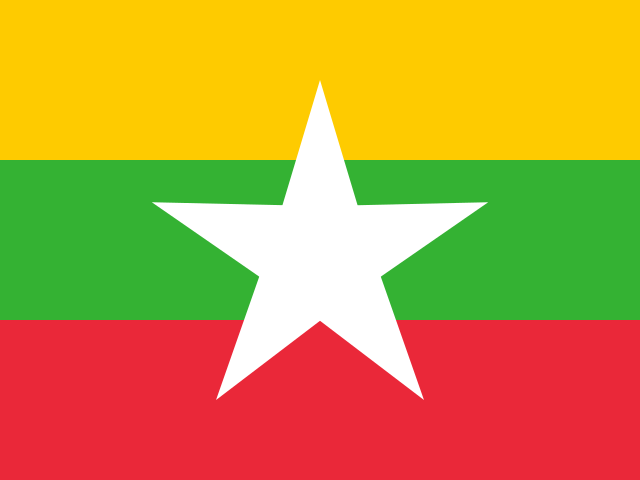 MyanmarNaypyidaw
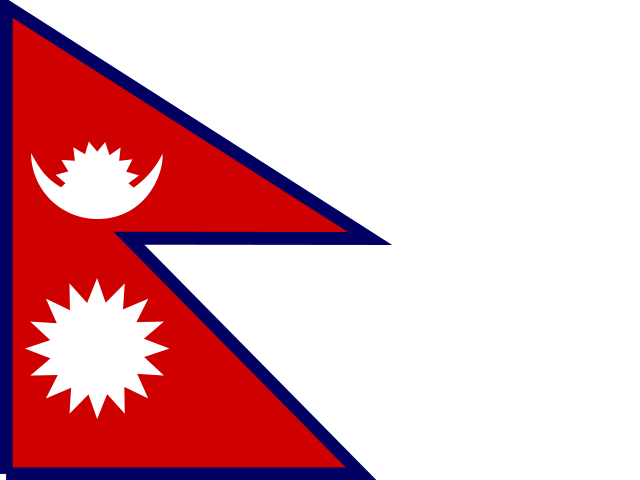 NepalKathmandu
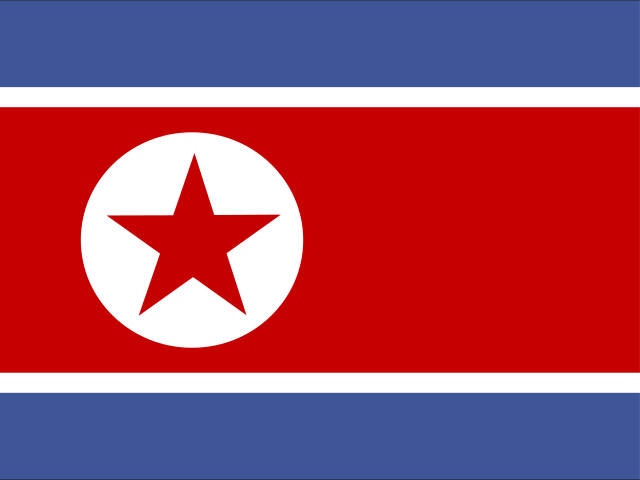 North KoreaPyongyang
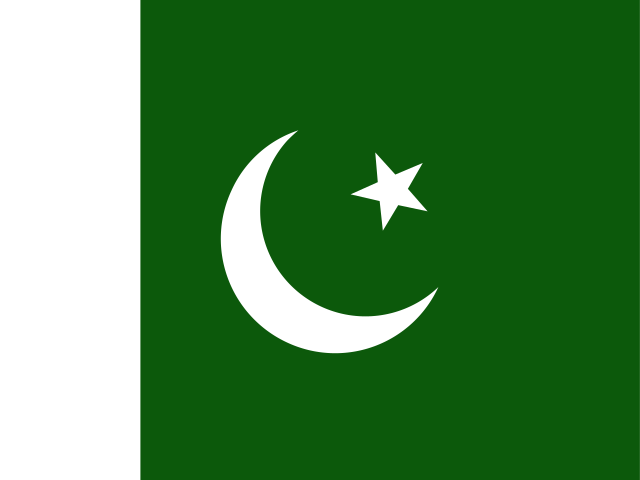 PakistanIslamabad
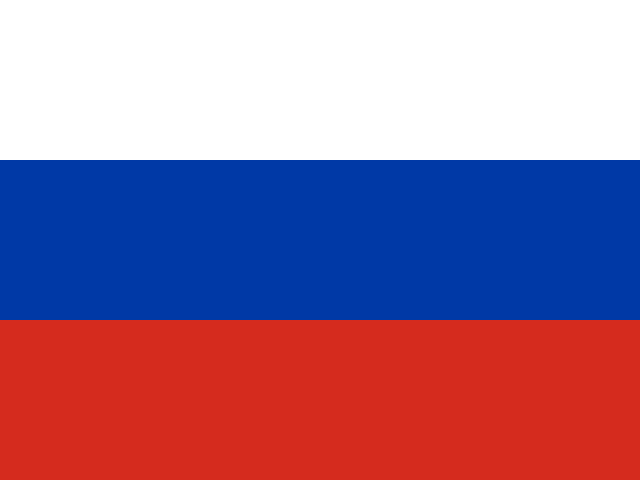 RussiaMoscow
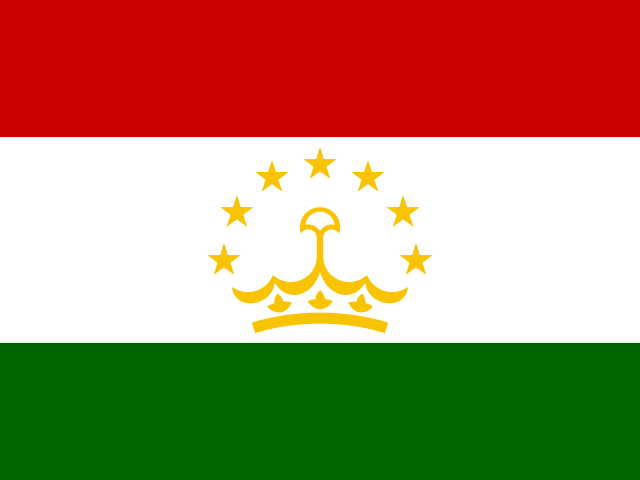 TajikistanDushanbe
 VietnamHanoi
Quick check: how well do you know China?
3 questions, no sign-up. Tap an answer.
1. Which flag belongs to China?
That's the flag of China.
2. What is the capital of China?
The capital of China is Beijing.
3. Which of these countries borders China?
Afghanistan, Bhutan, India, Kazakhstan, Kyrgyzstan, Laos, Mongolia, Myanmar, Nepal, North Korea, Pakistan, Russia, Tajikistan and Vietnam border China.
Keep going on the Asia quiz – China is one of 48 countries there.
More ways to practise: find China on the blank map with no borders (hard mode), or play today's Globe and the other daily puzzles.
Frequently asked questions about China
What language is spoken in China?
The official language is Standard Chinese, known as Putonghua and based on Mandarin. Many people also speak other Chinese varieties such as Cantonese, Wu or Min at home, and minority languages including Zhuang, Uyghur, Tibetan and Mongolian are used in their regions.
What currency does China use?
China's currency is the renminbi (CNY), meaning 'people's currency', and its main unit is the yuan. Hong Kong and Macau keep their own currencies, the Hong Kong dollar and the pataca. Mobile payment apps are now used far more than cash.
What time zone is China in?
All of China officially uses Beijing time, UTC+8, with no daylight saving time. In the far west the sun can rise around 10 am, so in Xinjiang many people unofficially keep a local time two hours behind.
Which side of the road do they drive on in China?
Traffic drives on the right in mainland China. Hong Kong and Macau, former British and Portuguese territories, still drive on the left, so vehicles crossing between them and the mainland must switch sides.
What is the highest point in China?
Mount Everest, called Qomolangma in Tibetan, is China's highest point at 8,849 metres, on the border with Nepal. China also shares K2, the world's second-highest mountain at about 8,611 metres, with Pakistan.
What is the population of China?
China has around 1.41 billion people, the second-largest population in the world. India overtook it in 2023, and China's population has been slowly falling since 2022 as births decline and the population ages.
Quizzes with China
Often confused with
Guides that help with this
- Oceans, seas, rivers and mountainsThe physical map: seas around each continent, the big rivers and ranges.
- Flags that look alike (and how to tell them apart)Chad or Romania? Australia or New Zealand? The flag pairs that cost quiz points.
- The 25 hardest countries to find on a mapPacific islands, Caribbean islands and landlocked Africa – where they are.