Algeria
Capital: Algiers. Algeria is one of the 54 countries in the Africa quiz.
Quick answers: What is the capital of Algeria? · Which countries border Algeria?
Facts about Algeria
- CapitalAlgiers
- Population47.4 million
- Area2,381,741 km²
- RegionAfrica
- LanguagesArabic, Tamazight
- CurrencyAlgerian dinar (DZD)
Algeria is the 10th most populous of the 54 countries in Africa and the largest by area. Worldwide it ranks 33rd by population and 10th by area.
Where is Algeria?
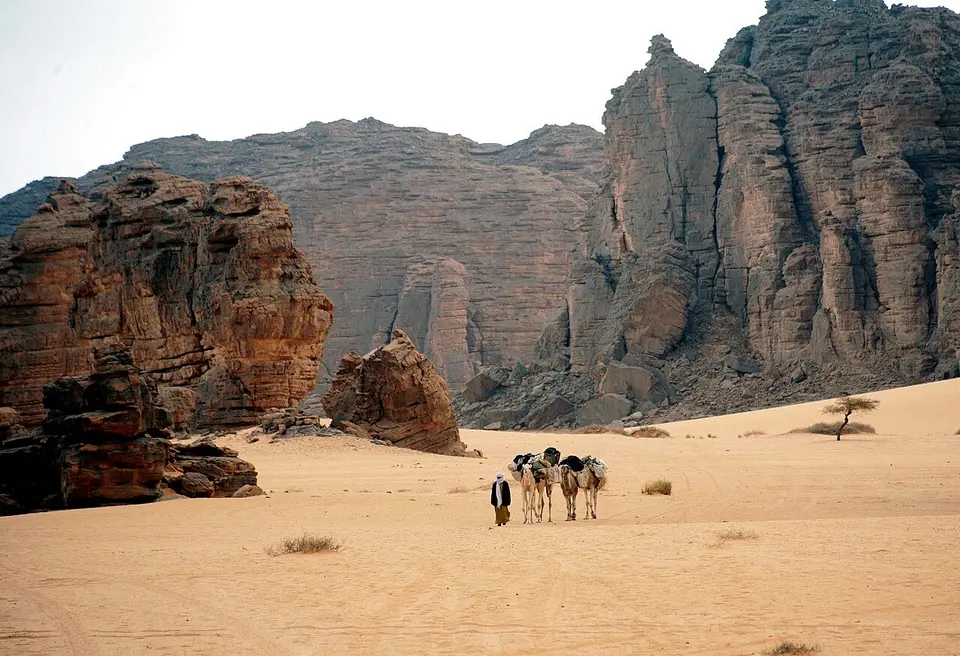
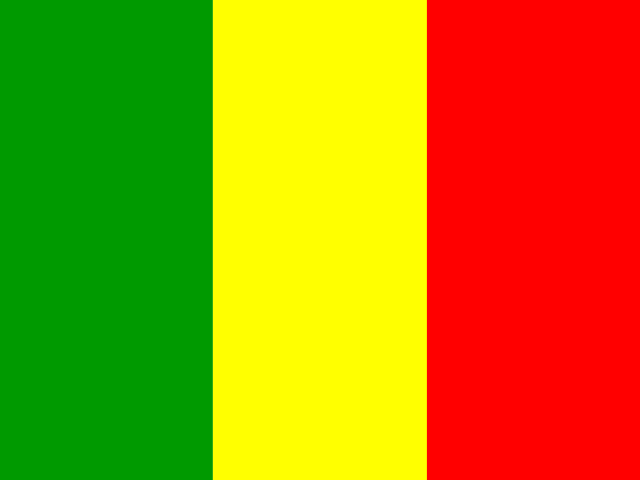
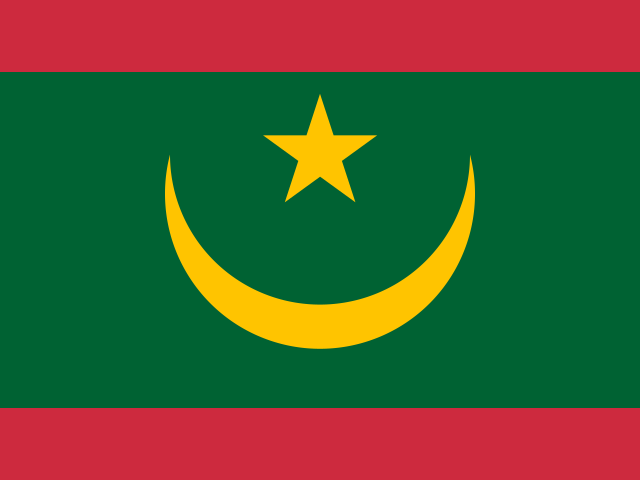
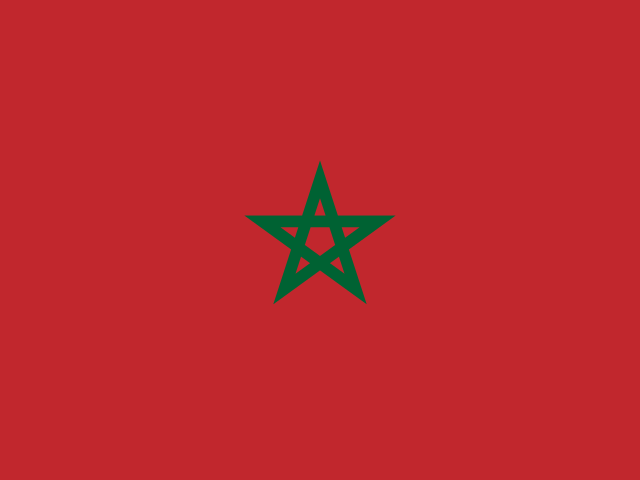
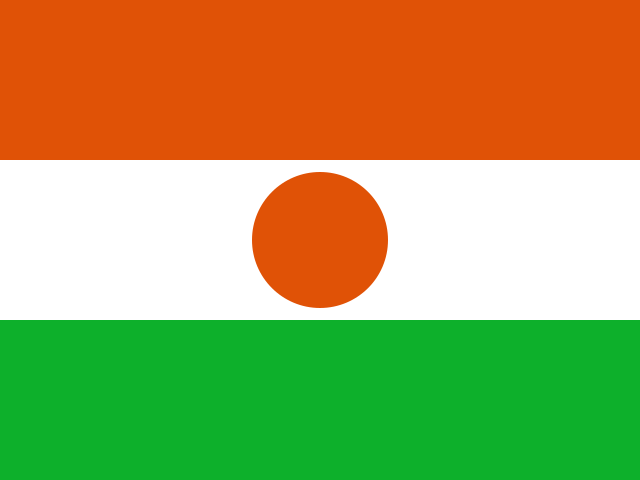
Algeria is in North Africa, on the Mediterranean coast between Morocco and Tunisia. It is the largest country in Africa by area and the tenth largest in the world. Its coast faces Spain and France, while the vast south is Sahara desert, bordering Libya, Niger, Mali, Mauritania and Western Sahara. Algiers, the capital, is on the coast.
On a world map, look at the top of Africa. Algeria is the enormous country in the middle, with Morocco to its west and Tunisia and Libya to its east, stretching deep into the desert.
How to find Algeria on the map
- Start from the Mediterranean. Algeria has the longest stretch of North African coastline between Morocco and Tunisia.
- Look for the biggest shape in Africa. Since 2011, when Sudan split, Algeria has been the largest country on the continent.
- Find Tunisia. The small country on Algeria's north-eastern corner is Tunisia; Libya is the big one further east.
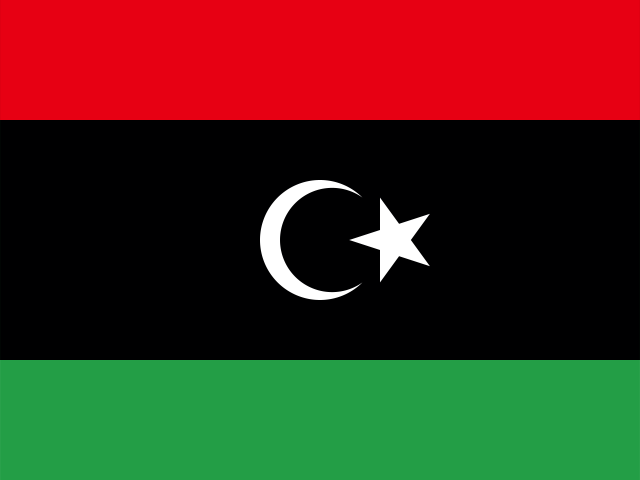
- Don't confuse it with Libya. Both are large Saharan countries with a Mediterranean coast, but Algeria is further west and much bigger.
Flag
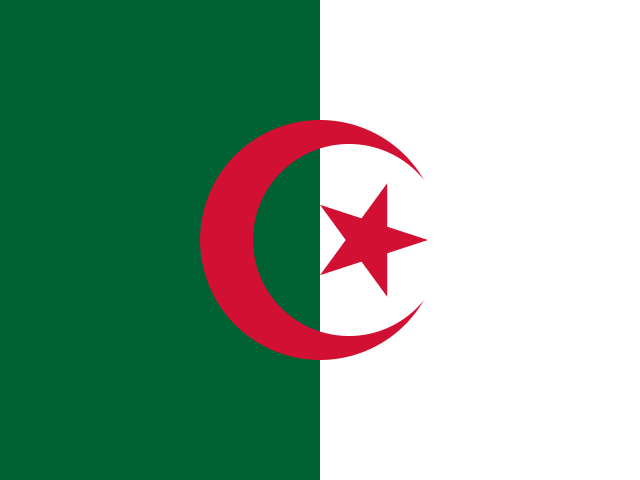
Algeria's flag is two vertical halves, green at the hoist and white at the fly, with a red crescent and star in the centre. Green and the crescent represent Islam, white stands for peace. It was adopted at independence from France in 1962.
In the Flags quiz, many flags carry a crescent and star, but Algeria's is the only one split half green, half white. Pakistan's is green with a white hoist stripe and a white crescent; Algeria's crescent is red.
A short history of Algeria
The first known inhabitants of the region were Amazigh (Berber) peoples. In the centuries before Christ, the kingdom of Numidia rose in the north-east under rulers such as Massinissa, an ally of Rome against Carthage. Rome later absorbed the region, and well-preserved Roman towns survive at Timgad and Djémila. Saint Augustine, one of the most influential Christian thinkers, was born here in the 4th century and served as bishop of Hippo, near modern Annaba.
Arab armies arrived in the 7th century and brought Islam and the Arabic language, which gradually spread across the country. A series of Amazigh and Arab dynasties followed. In the 1500s the Barbarossa brothers made Algiers a base for corsairs, and it became a largely self-governing part of the Ottoman Empire.
France invaded in 1830. Emir Abdelkader led resistance for more than a decade, but the French conquered the country and later declared the north an integral part of France. Around a million European settlers came to farm and live there, while most Algerians had few rights. Most of Algeria's long straight desert borders were drawn under French rule, cutting across the open Sahara.
Independence came in 1962 after a long and brutal war. The National Liberation Front ruled as a single party for nearly three decades. When elections in 1991 looked set to bring an Islamist party to power, the army cancelled them, and the country slid into a civil war in the 1990s often called the "black decade", in which, by most estimates, 100,000 or more people died. In 2019 huge peaceful street protests, known as the Hirak, forced a long-serving president to step down.
Today Algeria is a major supplier of natural gas to southern Europe, partly through pipelines under the Mediterranean. It supports the Polisario Front's claim to independence for Western Sahara, which Morocco regards as its own territory, and the land border between the two countries has been closed since 1994.
Culture and daily life in Algeria
Everyday speech is usually Darja, Algerian Arabic, which mixes Arabic with Amazigh words and a good deal of French. In the mountainous Kabylie region east of Algiers, many people speak Kabyle as their first language. Islam is the religion of almost everyone, mostly Sunni, while the Mozabite community in the M'zab valley around Ghardaïa follows the Ibadi branch and lives in striking fortified towns listed by UNESCO.
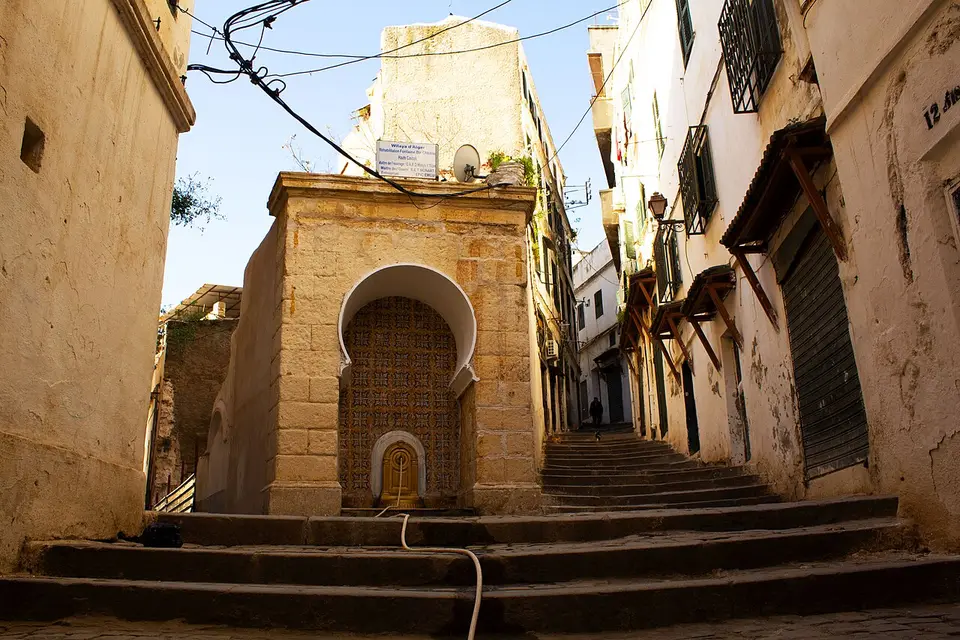
Albert Camus was born here and set The Stranger in Algiers. Kateb Yacine and Assia Djebar wrote about colonial and post-colonial life, and Djebar became a member of the Académie française. The old Casbah of Algiers, a maze of whitewashed lanes above the harbour, and the prehistoric rock paintings of Tassili n'Ajjer are both World Heritage Sites.
Rai, the music of Oran made famous abroad by Khaled, is the best-known Algerian style, while Algiers has its own chaabi music, played on mandole and banjo. Football is the national passion, and the team has twice won the Africa Cup of Nations, in 1990 and 2019. Middle-distance running is another strength: Hassiba Boulmerka and Noureddine Morceli both won Olympic gold in the 1990s.
Five facts worth knowing
- More than four-fifths of Algeria is Sahara desert. Most of the population lives in the narrow fertile strip along the coast.
- Algeria's war of independence from France lasted from 1954 to 1962.
- Natural gas and oil make up most of its export earnings.
- The Hoggar mountains in the far south rise to around 3,000 metres in the middle of the Sahara.
- Arabic and Tamazight (Berber) are both official languages, and French is still widely spoken.
Culture and traditions in Algeria
- Saying hello
"Salam alaykum" with a handshake; close friends of the same sex kiss on the cheeks.
- Food and drink
Couscous, the national dish, and chorba, a rich soup popular during Ramadan.
- Festivals and traditions
Yennayer, the Amazigh (Berber) New Year, on 12 January, a national holiday since 2018.
- Everyday life
Mint tea is a sign of hospitality, bread is treated with respect, and the weekend falls on Friday and Saturday.
- Did you know?
Rai music, made famous worldwide by artists like Khaled, originated in the city of Oran.
Common mistakes
- Tapping Libya – the other large Saharan country on the Mediterranean, further east.
- Tapping Morocco, which sits on Algeria's western border and reaches the Atlantic.
- Mixing up the flags of Algeria and Pakistan because both have a green field and a crescent.
Practise with Algeria
- Africa quiz – the biggest country on the continent, impossible to miss once you find the Mediterranean.
- Africa flags – half green, half white, red crescent.
- Africa capitals quiz – Algiers.
- Mystery Country – a huge, roughly round outline with a long straight-ish coast on top.
Nearby countries
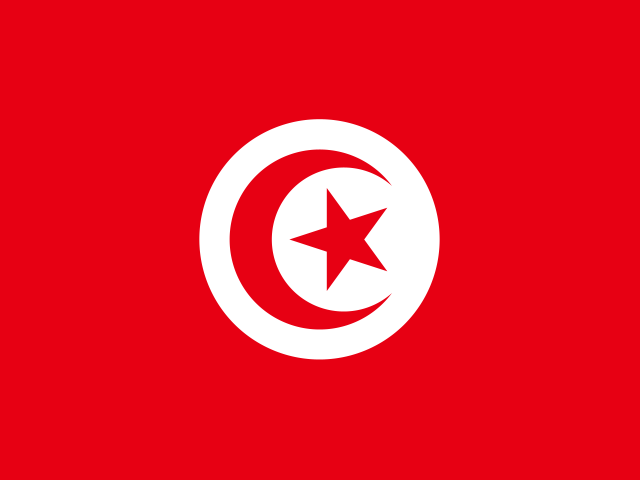
Quick check: how well do you know Algeria?
3 questions, no sign-up. Tap an answer.
1. Which flag belongs to Algeria?
That's the flag of Algeria.
2. What is the capital of Algeria?
The capital of Algeria is Algiers.
3. Which of these countries borders Algeria?
Libya, Mali, Mauritania, Morocco, Niger and Tunisia border Algeria.
Keep going on the Africa quiz – Algeria is one of 54 countries there.
More ways to practise: find Algeria on the blank map with no borders (hard mode), or play today's Globe and the other daily puzzles.
Frequently asked questions about Algeria
What language is spoken in Algeria?
Arabic is the main official language, and Tamazight (Berber) has also been official since 2016. Most people speak Algerian Arabic, known as Darja, in daily life, while Kabyle and other Berber languages are common in some regions. French remains widely used in business and higher education.
What currency does Algeria use?
Algeria uses the Algerian dinar (DZD), introduced in 1964 to replace the Algerian franc. The dinar is not freely convertible, and an unofficial exchange market where euros trade at a much higher rate is a well-known feature of the economy.
What time zone is Algeria in?
Algeria is on UTC+1 all year round and does not use daylight saving time. That puts it on the same clock as Tunisia and, in winter, as France and Spain.
Which side of the road do they drive on in Algeria?
Algerians drive on the right. The main highway is the East–West Motorway, which runs about 1,200 kilometres across the north of the country from the Moroccan border to the Tunisian border.
What is the highest point in Algeria?
The highest point is Mount Tahat, about 2,908 metres, in the Hoggar (Ahaggar) Mountains deep in the Sahara. These volcanic mountains in the far south are the homeland of the Tuareg people.
Is Algeria the largest country in Africa?
Yes. With about 2.38 million square kilometres, Algeria has been the largest country in Africa since South Sudan split from Sudan in 2011. It is also the tenth-largest country in the world, yet most Algerians live within a few hundred kilometres of the coast.
Quizzes with Algeria
Often confused with
Guides that help with this
- Learn all 54 African countries in a weekLearn the coastline in order, region by region.
- Flags that look alike (and how to tell them apart)Chad or Romania? Australia or New Zealand? The flag pairs that cost quiz points.
- The 25 hardest countries to find on a mapPacific islands, Caribbean islands and landlocked Africa – where they are.