Armenia
Capital: Yerevan. Armenia is one of the 48 countries in the Asia quiz.
Quick answers: What is the capital of Armenia? · Which countries border Armenia?
Facts about Armenia
- CapitalYerevan
- Population3.1 million
- Area29,743 km²
- RegionAsia
- LanguageArmenian
- CurrencyArmenian dram (AMD)
Armenia is the 42nd most populous of the 48 countries in Asia and the 38th largest by area. Worldwide it ranks 136th by population and 139th by area.
Where is Armenia?
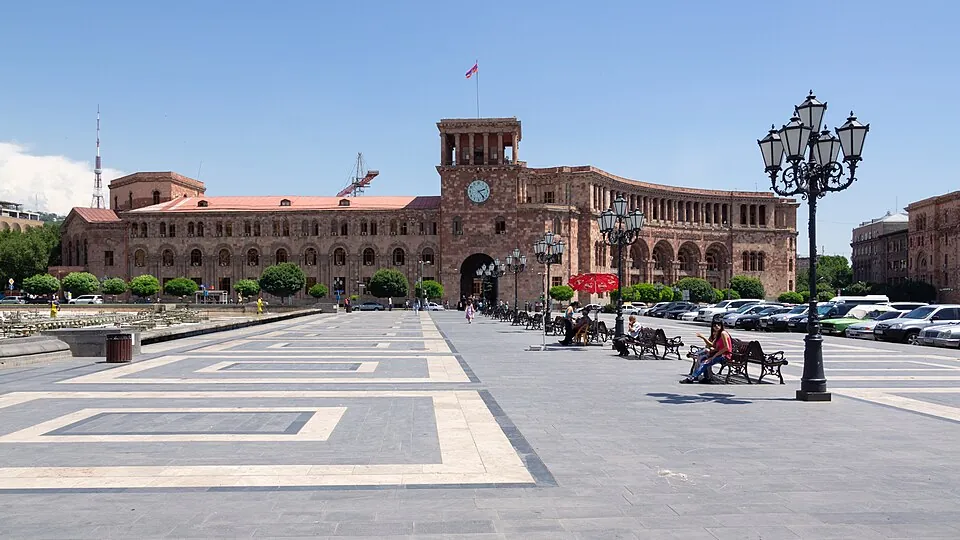
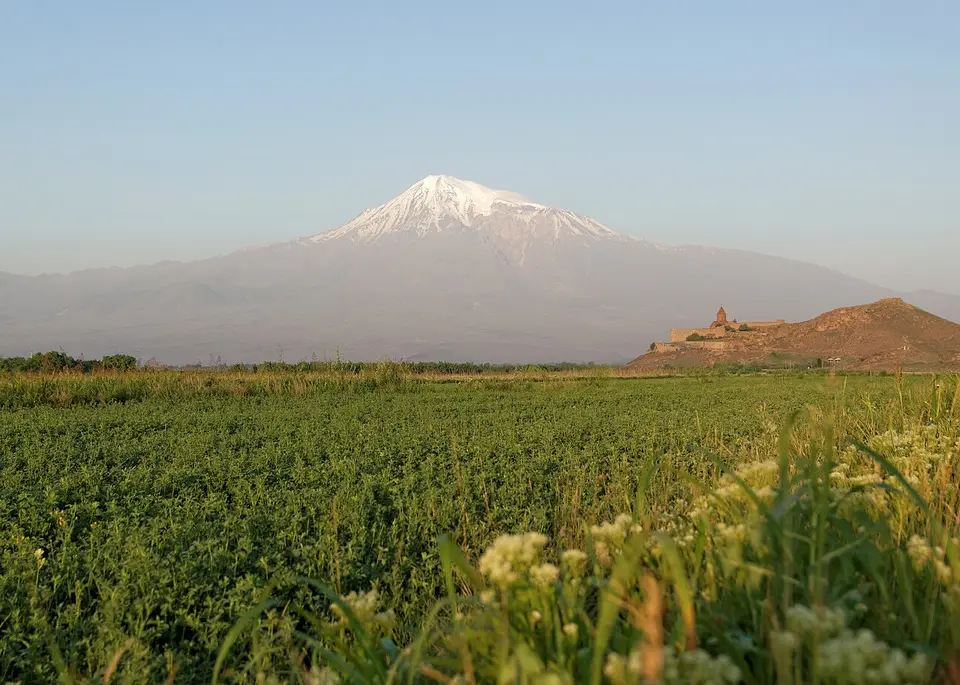
Armenia is a small landlocked country in the South Caucasus, the mountainous region between the Black Sea and the Caspian Sea. Georgia lies to the north, Azerbaijan to the east, Iran to the south and Turkey to the west. Yerevan, the capital, is in the west, with a view of Mount Ararat across the Turkish border.
On a world map, find Turkey's far eastern end. The three small countries squeezed between Turkey, Russia and Iran are Georgia, Armenia and Azerbaijan. Armenia is the one in the middle, with no coastline.
How to find Armenia on the map
- Start from Turkey. Armenia is directly east of Turkey's eastern border.
- It's the landlocked one. Georgia touches the Black Sea and Azerbaijan the Caspian; Armenia touches neither.
- Look south of Georgia and left of the main body of Azerbaijan.
- Don't confuse it with Albania. The names sound similar, but Albania is in the Balkans on the Adriatic, far to the west.
Flag
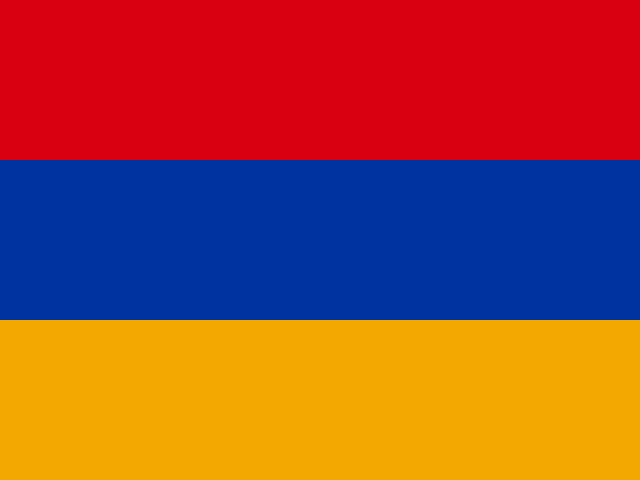
Armenia's flag is a horizontal tricolour of red, blue and orange. Red stands for the Armenian highlands and the struggle for survival, blue for the sky, and orange for the creativity and hard work of the people. It was first used by the independent republic of 1918 and readopted in 1990.
In the Flags quiz, red-blue-orange is unique – no other national flag ends with an orange band. The nearest look-alikes, Colombia and Ecuador, are yellow-blue-red.
A short history of Armenia
The Armenian highlands have been settled since the earliest days of farming. In the 9th century BC the kingdom of Urartu rose around Lake Van, and in 782 BC its king built the fortress of Erebuni, which Yerevan counts as its founding. Armenians emerged as a distinct people over the following centuries. Their kingdom reached its greatest size under Tigranes the Great in the 1st century BC, briefly stretching from the Caspian to the Mediterranean.
Squeezed between Rome and Persia, and later between Byzantium and the Arab caliphate, Armenia was often divided. In 451 Armenians fought the Persians at the Battle of Avarayr to defend their Christian faith, a defeat that is still remembered as a moral victory. A medieval Armenian kingdom flourished from the city of Ani, now a ruin just across the Turkish border, and another Armenian kingdom later grew up in Cilicia on the Mediterranean coast until 1375.
For centuries the Armenian lands were split between the Ottoman and Persian empires. Russia took the eastern part, including Yerevan, in 1828. During the First World War, Ottoman authorities deported and killed huge numbers of Armenians, and a million or more died. Armenia and many countries and historians call these events the Armenian Genocide. Turkey accepts that many died but rejects the term genocide.
A short-lived independent republic was declared in 1918, but it became part of the Soviet Union in 1920. The small size of today's Armenia dates from this period, when its borders with Turkey were fixed. In 1988 a devastating earthquake struck Spitak and Gyumri, and in the same years fighting began over Nagorno-Karabakh. Armenia became independent in 1991. After Azerbaijan took full control of Karabakh in 2023, most of the region's Armenians fled to Armenia.
Its borders with Turkey and Azerbaijan have been closed for most of the time since independence, so trade runs through Georgia and Iran. A fast-growing technology sector and a worldwide diaspora, larger than the country's own population, support the economy.
Culture and daily life in Armenia
Armenian is a separate branch of the Indo-European language family, with no close relatives. Most Armenians belong to the Armenian Apostolic Church, whose mother cathedral at Etchmiadzin is one of the oldest in the world. Monasteries such as Geghard, partly carved into a cliff, and Tatev, reached by one of the world's longest cable cars, sit in dramatic mountain settings.
Across the country stand khachkars, stone slabs carved with a cross and lace-like patterns, an art form on UNESCO's heritage list. The Matenadaran in Yerevan holds thousands of ancient manuscripts. The haunting sound of the duduk, a double-reed flute made of apricot wood, is closely linked with Armenia, and the apricot itself is a national symbol.
Composer Aram Khachaturian wrote the famous Sabre Dance, and the priest Komitas collected and preserved folk songs. People of Armenian descent abroad include the singer Charles Aznavour and the band System of a Down. Chess is a national passion, and Tigran Petrosian was world champion in the 1960s.
Five facts worth knowing
- Armenia was the first country to adopt Christianity as a state religion, traditionally dated to 301 AD.
- Mount Ararat, the national symbol, is in Turkey. It dominates the view from Yerevan but has been across the border since the 1920s.
- Armenia and Azerbaijan have fought repeatedly over Nagorno-Karabakh, most recently in 2020 and 2023.
- The Armenian alphabet was created around 405 AD by Mesrop Mashtots and is still in use, with 39 letters.
- Lake Sevan is one of the largest high-altitude freshwater lakes in the world, at around 1,900 metres.
Culture and traditions in Armenia
- Saying hello
"Barev" (hello) with a firm handshake.
- Food and drink
Khorovats (grilled meat skewers) and lavash, a thin flatbread on UNESCO's heritage list.
- Festivals and traditions
Vardavar, a summer water festival in July, when people happily drench each other with water.
- Everyday life
Hospitality is generous, meals include long toasts, and Armenian brandy is a point of pride.
- Did you know?
Chess has been a compulsory subject in Armenian primary schools since 2011.
Common mistakes
- Tapping Azerbaijan or Georgia – the three Caucasus countries are easy to muddle.
- Tapping the Nakhchivan exclave of Azerbaijan, which sits to Armenia's south-west and looks like part of it.
- Confusing Armenia and Albania by name.
Practise with Armenia
- Asia quiz – the small landlocked country below Georgia and east of Turkey.
- Middle East quiz – Armenia appears on the northern edge, next to Iran and Turkey.
- Asia flags – red, blue, orange.
- Asia capitals quiz – Yerevan.
- Mystery Country – a small, jagged outline with Azerbaijan's exclave cutting into the south-west.
Nearby countries
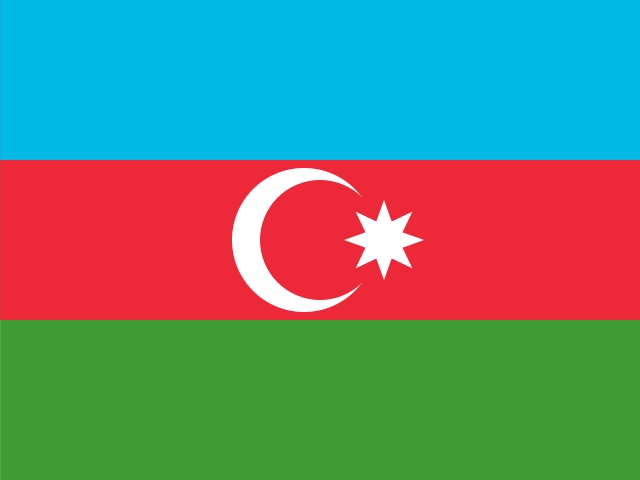 AzerbaijanBaku
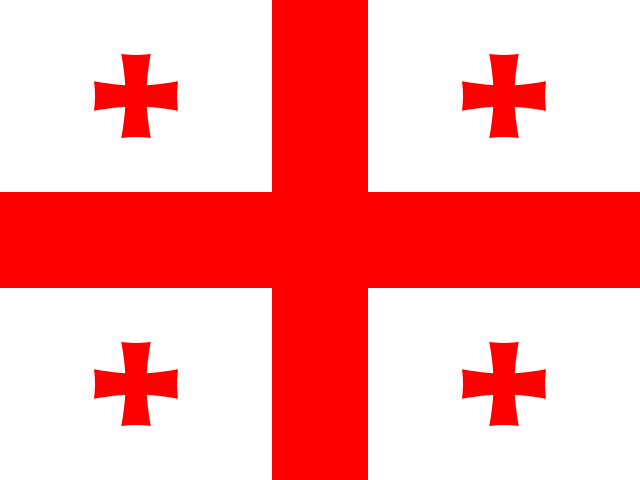 GeorgiaTbilisi
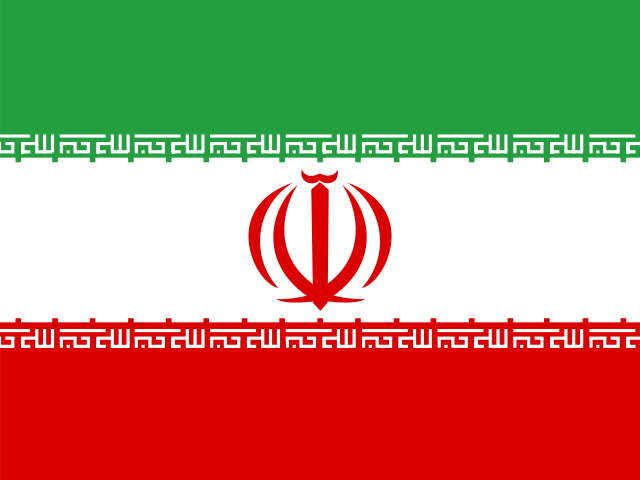 IranTehran
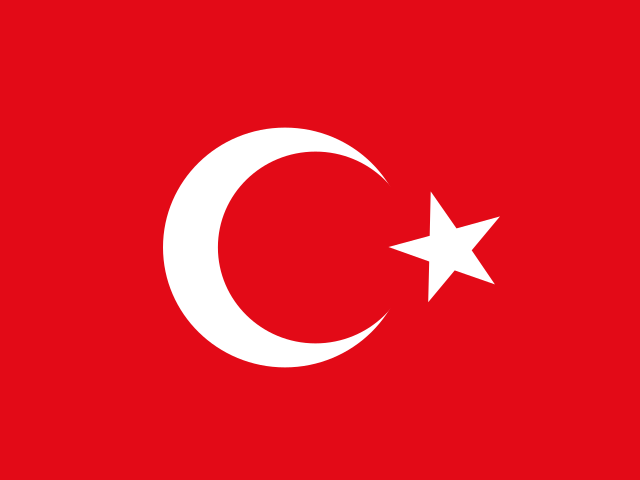 TurkeyAnkara
Quick check: how well do you know Armenia?
3 questions, no sign-up. Tap an answer.
1. Which flag belongs to Armenia?
That's the flag of Armenia.
2. What is the capital of Armenia?
The capital of Armenia is Yerevan.
3. Which of these countries borders Armenia?
Azerbaijan, Georgia, Iran and Turkey border Armenia.
Keep going on the Asia quiz – Armenia is one of 48 countries there.
More ways to practise: find Armenia on the blank map with no borders (hard mode), or play today's Globe and the other daily puzzles.
Frequently asked questions about Armenia
What language is spoken in Armenia?
Armenian is the official language and the first language of almost everyone, written in its own 39-letter alphabet. Russian is widely understood as a second language, a legacy of the Soviet era, and many younger people also speak English.
What currency does Armenia use?
Armenia uses the dram (AMD), introduced in 1993 to replace the Soviet rouble after independence. The word dram comes from the same root as the Greek drachma and simply means "money".
What time zone is Armenia in?
Armenia is on UTC+4 all year round. It stopped using daylight saving time in 2012. That puts it one hour ahead of Moscow and on the same time as neighbouring Georgia and Azerbaijan.
Which side of the road do they drive on in Armenia?
Armenians drive on the right. Many roads cross high passes in the Lesser Caucasus, and the Wings of Tatev cable car in the south was built partly to save visitors a slow mountain drive.
What is the highest point in Armenia?
The highest point is Mount Aragats, about 4,090 metres, an extinct volcano with four summits north-west of Yerevan. Mount Ararat, the national symbol, is higher but lies across the border in Turkey.
What do Armenians call their country?
Armenians call their country Hayastan and themselves Hay. Tradition links the name to Hayk, the legendary forefather of the Armenian people. The name Armenia, used by outsiders, goes back to ancient Persian and Greek sources.
Quizzes with Armenia
Often confused with
Guides that help with this
- Oceans, seas, rivers and mountainsThe physical map: seas around each continent, the big rivers and ranges.
- Flags that look alike (and how to tell them apart)Chad or Romania? Australia or New Zealand? The flag pairs that cost quiz points.
- The 25 hardest countries to find on a mapPacific islands, Caribbean islands and landlocked Africa – where they are.