Turkey
Capital: Ankara. Turkey is one of the 48 countries in the Asia quiz.
Quick answers: What is the capital of Turkey? · Which countries border Turkey?
Facts about Turkey
- CapitalAnkara
- Population85.9 million
- Area783,562 km²
- RegionsAsia, Middle East
- LanguageTurkish
- CurrencyTurkish lira (TRY)
Turkey is the 10th most populous of the 48 countries in Asia and the 9th largest by area. Worldwide it ranks 18th by population and 36th by area.
Where is Turkey?
Turkey is the bridge between Europe and Asia. Most of the country is the Anatolian peninsula, the large rectangle of land east of Greece with the Black Sea to the north and the Mediterranean to the south. A small part, including half of Istanbul, lies in Europe, separated from Asia by the Bosphorus strait. Turkey borders Greece and Bulgaria in the west; Georgia, Armenia, Azerbaijan and Iran in the east; and Iraq and Syria in the south. The island of Cyprus is just off its southern coast. The capital is Ankara, in the centre of Anatolia – not Istanbul, the much larger city on the coast.
How to find Turkey on the map
- Start from Greece. Turkey is the big block of land east of Greece, across the Aegean Sea.
- Look for the Black Sea. Turkey is the whole southern shore of it.
- Don't confuse it with Iran, the next large country to the east – Iran is bigger and doesn't touch the Mediterranean.
- Cyprus is a separate country, even though it sits close under Turkey's southern coast.
Flag
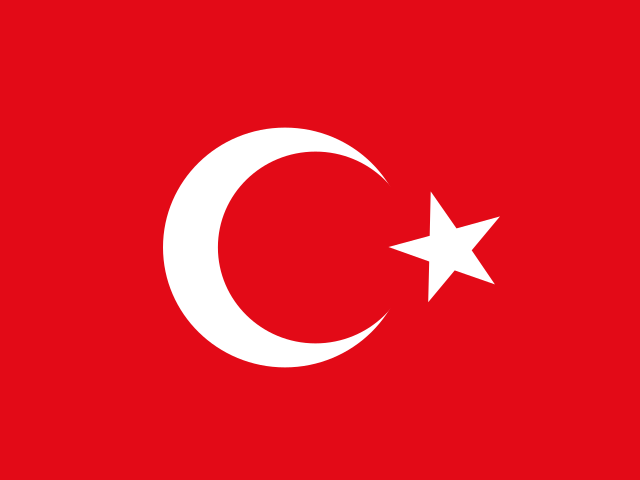
A red field with a white crescent and a five-pointed star. The crescent and star layout has been copied by several other flags, most closely by Tunisia, which is also red with a crescent and star but places them inside a white circle. Algeria uses the same symbols on green and white, and Pakistan on green with a white stripe. In the Flags quiz, an all-red field with a white crescent and star and no circle is Turkey.
A short history of Turkey
Anatolia has been a crossroads for thousands of years. The Hittites built an empire here in the second millennium BC, ruling from Hattusa in the centre of the peninsula. Later, Greek cities lined the Aegean coast, the legendary city of Troy stood near the Dardanelles, and Persians, Alexander the Great and the Romans all passed through. In AD 330 the emperor Constantine made the old Greek town of Byzantium his new capital, Constantinople, and for over a thousand years it was the heart of the Byzantine Empire.
Turkish-speaking peoples came from Central Asia. After the Seljuk Turks defeated a Byzantine army at Manzikert in 1071, Turkish tribes settled across Anatolia, which is why a Turkic language is spoken so far from its Central Asian roots. Around 1300 a small state led by Osman began to grow in the north-west. His successors, the Ottomans, captured Constantinople in 1453 and built an empire that at its height under Suleiman the Magnificent stretched from Hungary to the Persian Gulf and across North Africa.
The empire slowly lost ground in the 1700s and 1800s, and its defeat alongside Germany in the First World War led to its break-up. Allied armies occupied parts of the country, but a resistance movement led by Mustafa Kemal Atatürk won the War of Independence. The Treaty of Lausanne in 1923 fixed most of today's borders, and the Republic of Turkey was declared that year.
Atatürk's reforms reshaped daily life: the Arabic script was replaced by the Latin alphabet in 1928, religious law gave way to secular courts, everyone took a surname, and women won the vote in 1934. Turkey joined NATO in 1952 and became a multi-party democracy, though the army seized power several times, notably in 1960 and 1980.
Today Turkey is a large industrial economy that builds cars, textiles and household goods, and a major tourist destination. Its position between Europe, Russia and the Middle East makes it a key player in regional politics.
Culture and daily life in Turkey
Modern Turkish belongs to the Turkic family, related to Azerbaijani and Uzbek, but centuries of Ottoman rule left it full of Arabic and Persian words. Most Turks are Sunni Muslims, and a sizeable Alevi minority follows its own traditions. Kurdish is the largest minority language, spoken mainly in the south-east.
Ottoman architecture reached its peak with Mimar Sinan, the 16th-century architect behind the Süleymaniye Mosque in Istanbul and hundreds of other buildings. The Hagia Sophia, built as a Byzantine church in the 500s, has served as a mosque, a museum and again a mosque. In Konya, followers of the 13th-century poet Rumi founded the Mevlevi order, famous for its whirling dervishes. Orhan Pamuk, author of My Name Is Red, won the Nobel Prize in Literature in 2006.
Folk music centres on the long-necked bağlama, while Karagöz shadow puppetry once entertained crowds in coffee houses. The hamam, or steam bath, is an Ottoman institution still used today. Football rivalry between Istanbul's big three – Galatasaray, Fenerbahçe and Beşiktaş – divides families, and blue glass "evil eye" charms hang in homes, cars and shops everywhere.
Five facts worth knowing
- Istanbul is the only major city in the world that sits on two continents, with the Bosphorus separating its European and Asian sides.
- Ankara has been the capital since 1923, when the Republic of Turkey was founded. Istanbul had been the capital of the Ottoman Empire before that.
- Turkey is divided into 81 provinces.
- Göbekli Tepe in south-eastern Turkey is one of the oldest known temple sites in the world, built around 9500 BC, thousands of years before Stonehenge.
- Mount Ararat, near the Armenian border, is Turkey's highest peak at just over 5,100 metres.
Culture and traditions in Turkey
- Saying hello
A handshake, cheek kisses between friends and "Merhaba"; younger people may kiss an elder's hand on holidays.
- Food and drink
Kebabs of many kinds; meze; Turkish coffee, which is UNESCO-listed; tea (çay) served in small tulip glasses.
- Festivals and traditions
Kırkpınar oil wrestling in Edirne (summer) dates back to the 1300s; Ramadan and Sacrifice holidays (Bayram).
- Everyday life
Tea is offered everywhere, from homes to shops. Shoes come off when entering homes.
- Did you know?
Tulips were cultivated in the Ottoman Empire before they became famous in the Netherlands in the 1500s.
Common mistakes
- Answering "Istanbul" in the Capitals quiz. The capital is Ankara.
- Tapping Iran or Syria when zoomed out on the Middle East.
- Tapping Cyprus by accident when aiming for the southern coast.
- Picking Tunisia's flag in the Flags quiz – look for the white circle, which means Tunisia.
Practise with Turkey
- Middle East quiz – Turkey is the large country in the north-west corner of the region.
- Europe quiz – Turkey appears in the south-east corner, and its European sliver counts.
- Whole World flags – crescent and star on red; learn to separate it from Tunisia.
- Asia capitals quiz – Ankara, the one everybody gets wrong the first time.
- Mystery Country – the Anatolian rectangle with a notch for the Bosphorus is easy once you know it.
Nearby countries
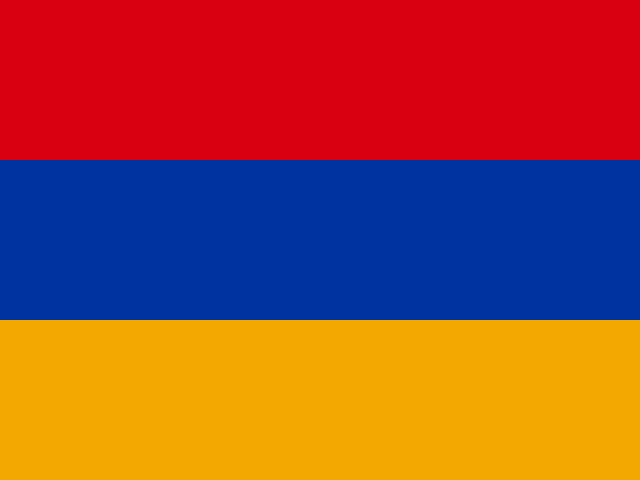 ArmeniaYerevan
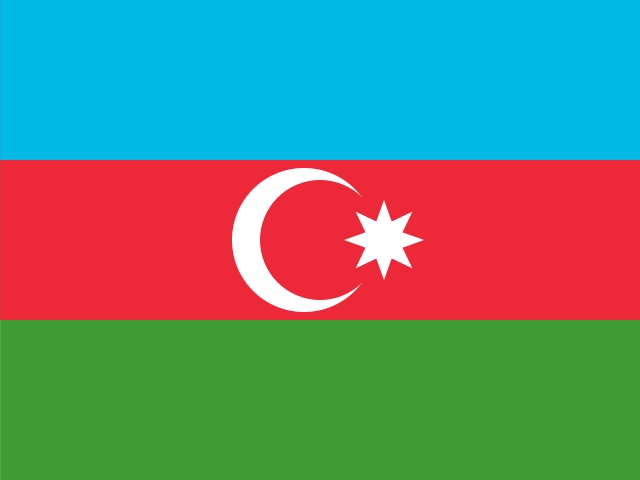 AzerbaijanBaku
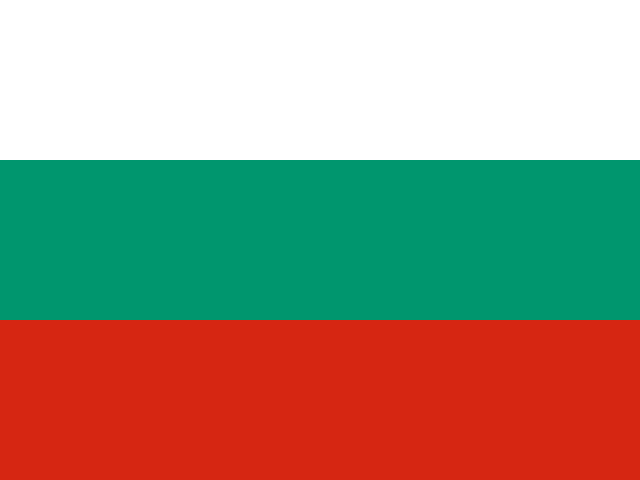 BulgariaSofia
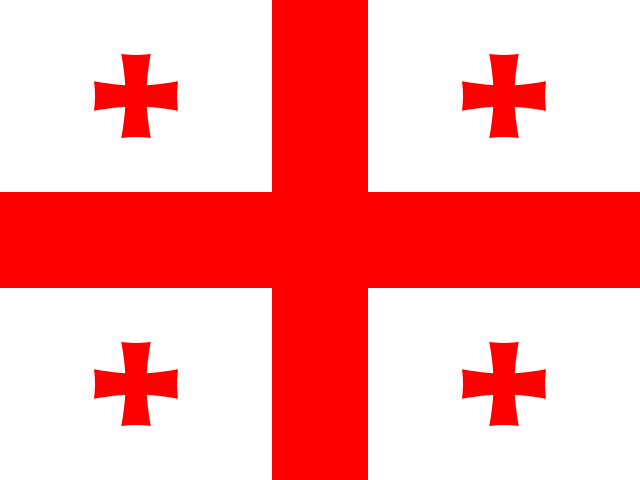 GeorgiaTbilisi
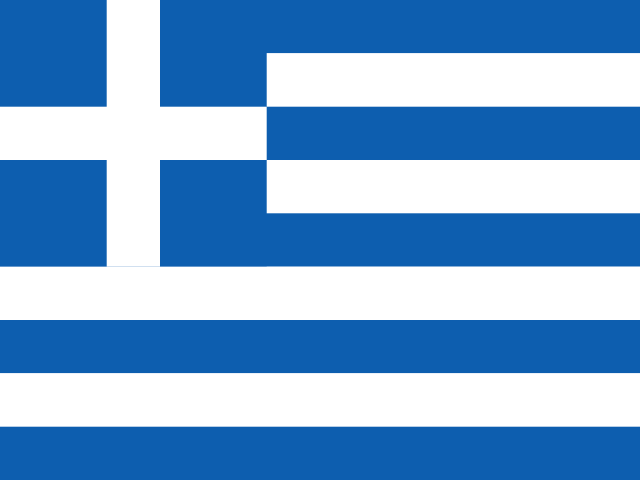 GreeceAthens
 IranTehran
 IraqBaghdad
 SyriaDamascus
Quick check: how well do you know Turkey?
3 questions, no sign-up. Tap an answer.
1. Which flag belongs to Turkey?
That's the flag of Turkey.
2. What is the capital of Turkey?
The capital of Turkey is Ankara.
3. Which of these countries borders Turkey?
Armenia, Azerbaijan, Bulgaria, Georgia, Greece, Iran, Iraq and Syria border Turkey.
Keep going on the Asia quiz – Turkey is one of 48 countries there.
More ways to practise: find Turkey on the blank map with no borders (hard mode), or play today's Globe and the other daily puzzles.
Frequently asked questions about Turkey
What language is spoken in Turkey?
Turkish is the official language and the first language of most people. It has been written in the Latin alphabet since 1928. Kurdish is widely spoken, especially in the south-east, and Arabic, Zaza and Laz are among the minority languages.
What currency does Turkey use?
Turkey uses the Turkish lira (TRY). In 2005 six zeros were removed, so one new lira equalled one million old lira. The currency floats and has lost a great deal of its value in recent years because of high inflation.
What time zone is Turkey in?
Turkey has been on UTC+3 all year since 2016, when it stopped changing its clocks and kept summer time permanently. It no longer uses daylight saving time.
Which side of the road do they drive on in Turkey?
Turkey drives on the right. Three road bridges and a road tunnel cross the Bosphorus in Istanbul, so it is possible to drive from Europe to Asia within a single city.
What is the highest point in Turkey?
The highest point is Mount Ararat (Ağrı Dağı), a dormant volcano of about 5,140 metres near the borders with Iran and Armenia. It is traditionally linked with the resting place of Noah's Ark.
Is Turkey in Europe or Asia?
Both. About 3 per cent of Turkey lies in Europe, in eastern Thrace, while the rest, Anatolia, is in Asia. The Bosphorus, the Sea of Marmara and the Dardanelles divide the two parts, and Istanbul spans both continents.
Quizzes with Turkey
Guides that help with this
- Oceans, seas, rivers and mountainsThe physical map: seas around each continent, the big rivers and ranges.
- Flags that look alike (and how to tell them apart)Chad or Romania? Australia or New Zealand? The flag pairs that cost quiz points.
- The 25 hardest countries to find on a mapPacific islands, Caribbean islands and landlocked Africa – where they are.