Brazil
Capital: Brasília. Brazil is one of the 12 countries in the South America quiz.
Quick answers: What is the capital of Brazil? · Which countries border Brazil?
Facts about Brazil
- CapitalBrasília
- Population212.8 million
- Area8,515,767 km²
- RegionSouth America
- LanguagePortuguese
- CurrencyBrazilian real (BRL)
Brazil is the most populous of the 12 countries in South America and the largest by area. Worldwide it ranks 7th by population and 5th by area.
Where is Brazil?
Brazil covers almost half of South America and dominates the continent's eastern half, with a long Atlantic coastline running from the Equator down to the subtropics. It borders every South American country except Chile and Ecuador: French Guiana, Suriname, Guyana and Venezuela to the north; Colombia and Peru to the west; Bolivia and Paraguay to the south-west; and Argentina and Uruguay to the south. The Amazon rainforest fills the north-west of the country. Brasília, the capital, is deep inland on the central plateau – not on the coast like most of the big cities.
How to find Brazil on the map
- Start from the bulge. The eastern tip of South America, the part that sticks out towards Africa, is Brazil. The whole bulge is Brazilian.
- Follow the coast. From that tip, Brazil's coastline runs north-west to the Amazon mouth and south-west almost to the River Plate.
- Don't confuse it with Argentina. Argentina is the long tapering country below Brazil, narrowing towards the south. Brazil is the broad one.
- Don't tap the Guianas. The three small countries on the north coast – Guyana, Suriname and French Guiana – are not part of Brazil, even though they sit inside its outline.
Flag
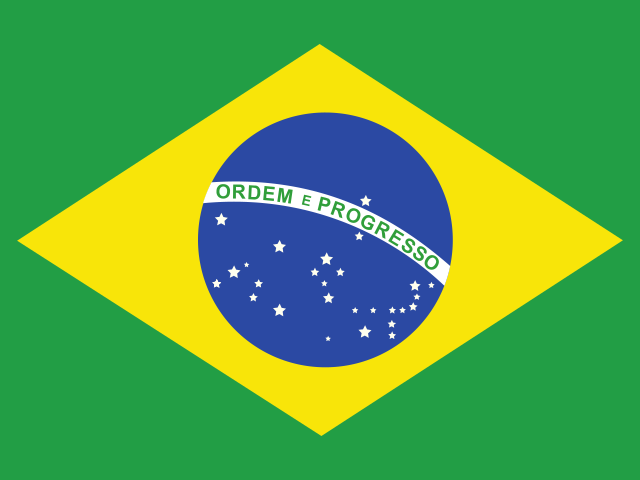
A green field with a large yellow rhombus, and inside it a blue globe crossed by a white band carrying the motto Ordem e Progresso. The globe shows 27 white stars for the states and the federal district, arranged as the night sky over Rio de Janeiro on 15 November 1889, the day the republic was declared.
No other flag uses the diamond-on-green layout, but at quiz speed players sometimes pick Jamaica (green and yellow with a black diagonal cross) or Mauritania's green and yellow. Look for the blue globe – only Brazil has it.
A short history of Brazil
Before Europeans arrived, millions of Indigenous people lived across what is now Brazil, among them Tupi-speaking groups along the coast and hundreds of peoples in the Amazon. In 1494 the Treaty of Tordesillas split the newly found lands between Spain and Portugal along a line in the Atlantic. When Pedro Álvares Cabral landed on the coast in 1500, he claimed it for Portugal. That old treaty line is the main reason Brazil speaks Portuguese while its neighbours speak Spanish.
The colony was first named after brazilwood, a tree that produced a valuable red dye. Sugar plantations in the north-east soon became the backbone of the economy, worked by enslaved Africans. Brazil received more enslaved Africans than any other country in the Americas, close to five million by modern estimates. Some escaped and founded free communities called quilombos; the largest, Palmares, held out for most of the 1600s. Gold was found in Minas Gerais around 1700, pulling settlers inland, while explorers known as bandeirantes pushed the frontier far west of the Tordesillas line.
In 1808 the Portuguese royal family fled Napoleon's armies and moved the court to Rio de Janeiro, the only time a European empire was ruled from one of its colonies. When the king returned to Lisbon, his son stayed and declared independence in 1822, becoming Emperor Pedro I. Brazil was an empire for most of the 1800s, and it was the last country in the Americas to abolish slavery, in 1888. The monarchy fell the following year.
The 20th century brought coffee wealth, the long rule of Getúlio Vargas, rapid industrialisation and the building of Brasília. A military government ruled from 1964 to 1985 before democracy returned, and a new constitution was adopted in 1988.
Today Brazil is Latin America's largest economy, a major exporter of soya, beef, coffee and iron ore, and a key voice in debates about protecting the Amazon rainforest.
Culture and daily life in Brazil
Brazilian culture is a blend of Indigenous, Portuguese and African roots, with later waves of Italian, German, Arab and Japanese immigrants. Many Tupi words survive in Portuguese place names, animals and foods. Brazil has one of the largest Catholic populations in the world, though evangelical churches have grown fast, and Afro-Brazilian religions such as Candomblé are strong in Salvador and Bahia.
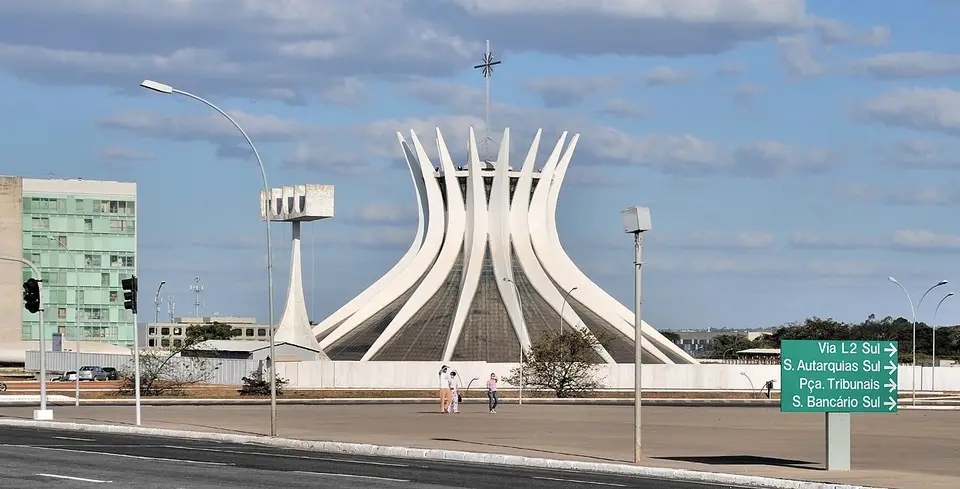
Music is everywhere. Samba grew up in Rio, while bossa nova came out of the city's beaches in the late 1950s; "The Girl from Ipanema" by Antônio Carlos Jobim became one of the most recorded songs ever. Capoeira, a martial art disguised as dance, was developed by enslaved Africans. In literature, Machado de Assis is often called Brazil's greatest writer, and Paulo Coelho's The Alchemist has sold in huge numbers worldwide. The architect Oscar Niemeyer gave Brasília its curving modernist buildings.
Above all, Brazil loves football. It has won the men's World Cup five times, more than any other country, and Pelé remains its most famous sportsman. The Maracanã stadium in Rio is a place of pilgrimage for fans.
Five facts worth knowing
- Brazil is the fifth-largest country in the world by area and the largest in both South America and the Southern Hemisphere.
- Brasília was built from nothing in the late 1950s and became the capital in 1960, replacing Rio de Janeiro. Its plan is shaped like an aeroplane.
- Brazil has 26 states and one federal district, which have their own quiz. Amazonas is the largest; Sergipe is the smallest.
- It is the only Portuguese-speaking country in the Americas, surrounded by Spanish-speaking neighbours.
- The Amazon carries more water than any other river on Earth, and its mouth on Brazil's northern coast is so wide that the island of Marajó in the middle of it is roughly the size of Denmark.
Culture and traditions in Brazil
- Saying hello
Cheek kisses among friends; the number varies by region, from one to three.
- Food and drink
Feijoada (black bean and pork stew) and the caipirinha, made with cachaca and lime.
- Festivals and traditions
Carnival in February or March, and Festa Junina in June with bonfires and folk dancing.
- Everyday life
People are warm and tactile, timing is relaxed socially, and a 10% service charge is usually on the bill.
- Did you know?
Brazil has the largest population of Japanese descent outside Japan.
Common mistakes
- Tapping Argentina, or the whole of South America at world zoom.
- Typing "Rio de Janeiro" or "São Paulo" in the Capitals quiz – the answer is Brasília.
- Including Guyana, Suriname and French Guiana when tracing the outline.
Practise with Brazil
- South America quiz – Brazil is the giant; the test is the ten countries that wrap around it.
- Brazilian States – all 26 states plus the Federal District.
- North America flags – the green-and-yellow diamond is one of the most memorable in the set.
- South America capitals quiz – Brasília, not Rio.
- Mystery Country – the outline is the bulge of South America with the Amazon basin behind it; once you've seen it, you can't unsee it.
Nearby countries
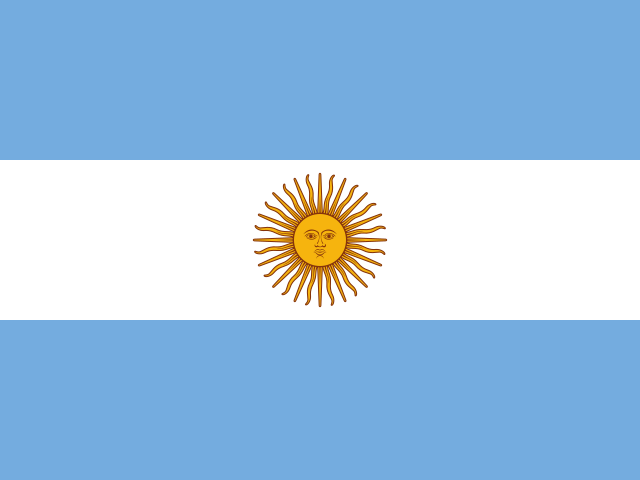 ArgentinaBuenos Aires
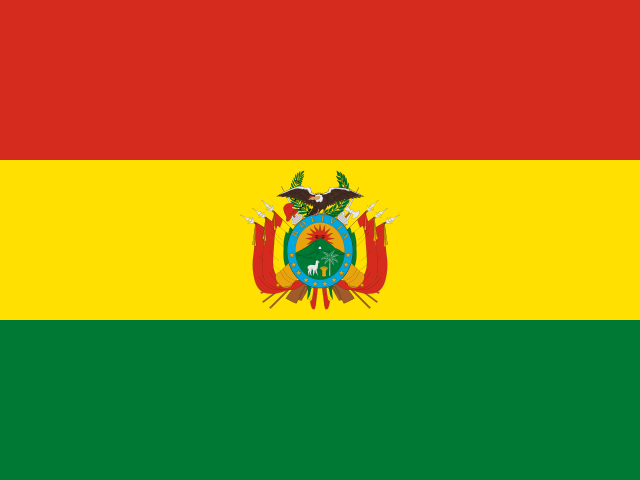 BoliviaSucre
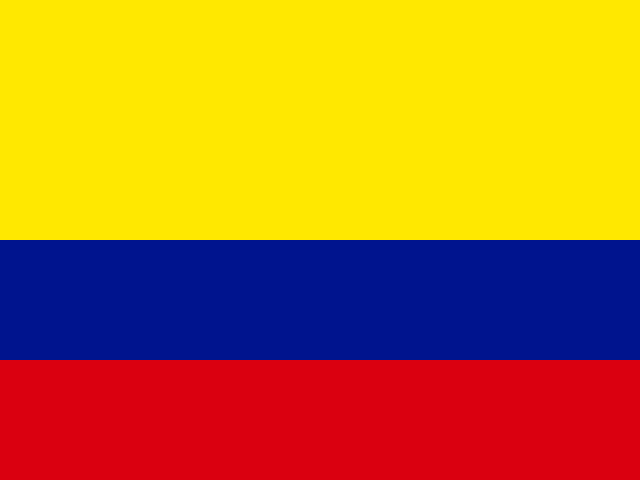 ColombiaBogotá
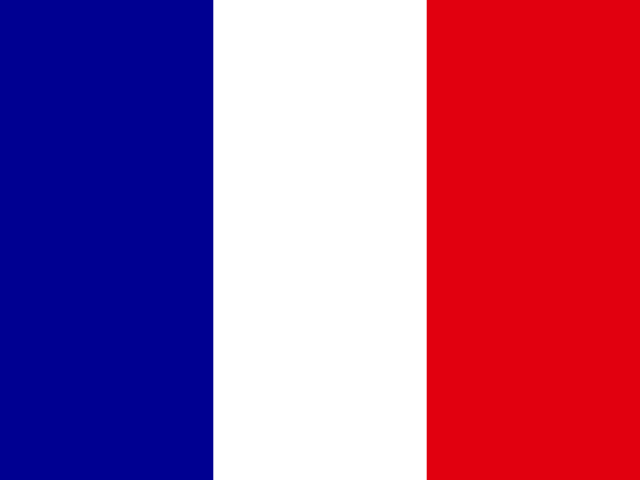 FranceParis
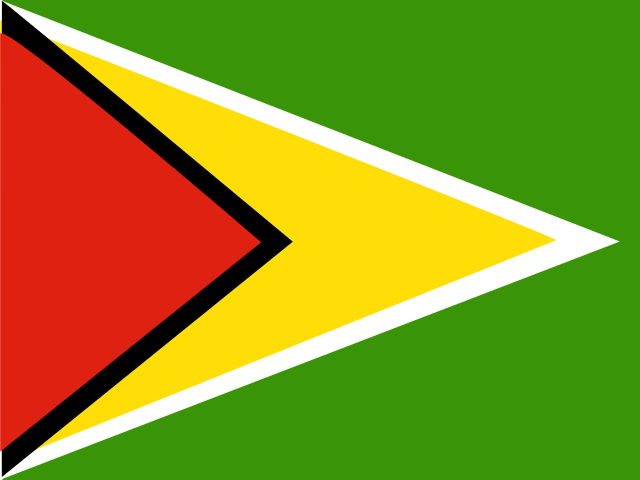 GuyanaGeorgetown
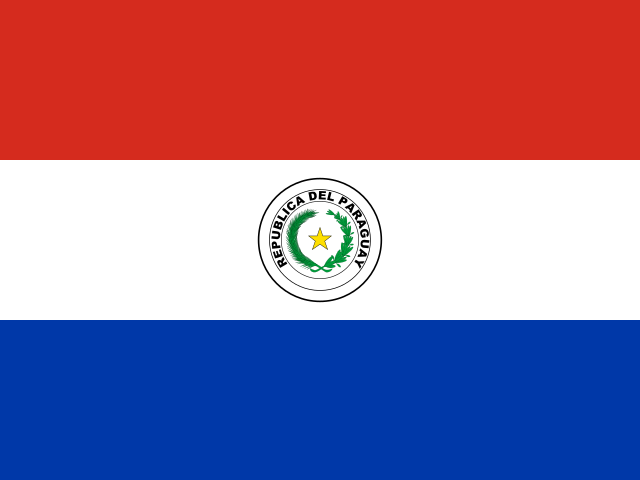 ParaguayAsunción
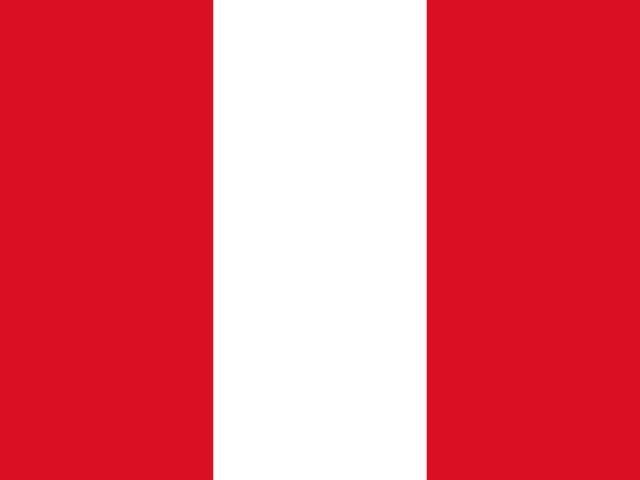 PeruLima
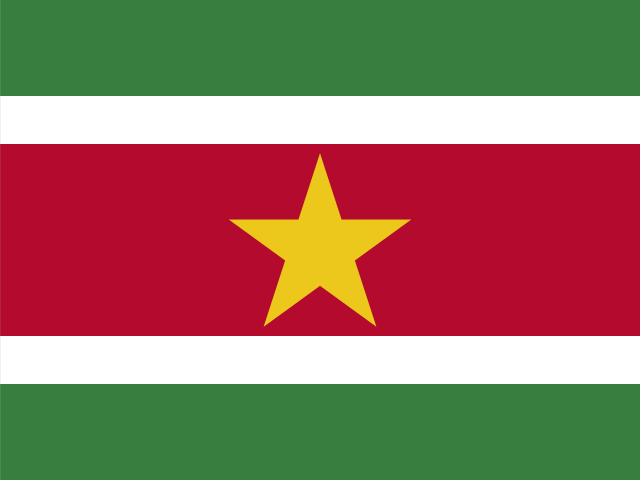 SurinameParamaribo
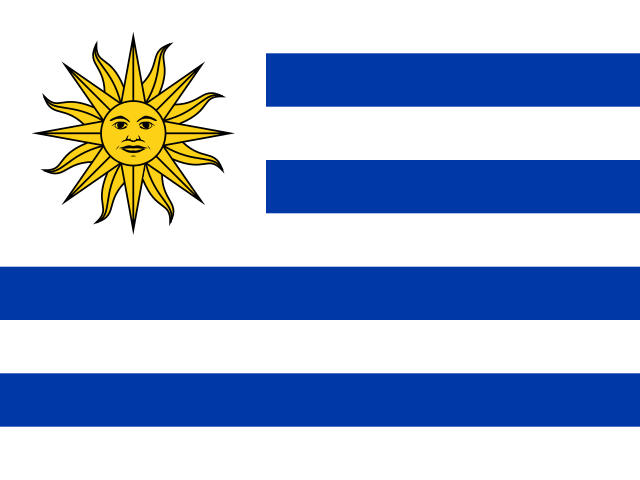 UruguayMontevideo
 VenezuelaCaracas
Quick check: how well do you know Brazil?
3 questions, no sign-up. Tap an answer.
1. Which flag belongs to Brazil?
That's the flag of Brazil.
2. What is the capital of Brazil?
The capital of Brazil is Brasília.
3. Which is bigger by area?
Brazil (8,515,767 km²) is bigger than Bolivia (1,098,581 km²).
Keep going on the South America quiz – Brazil is one of 12 countries there.
More ways to practise: find Brazil on the blank map with no borders (hard mode), or play today's Globe and the other daily puzzles.
Frequently asked questions about Brazil
What language is spoken in Brazil?
Portuguese is the official language and is spoken by almost everyone, making Brazil the largest Portuguese-speaking country in the world. Brazilian Sign Language is also official, and more than 200 Indigenous languages are still spoken, mainly in the Amazon.
What currency does Brazil use?
Brazil uses the real (BRL), plural reais, introduced in 1994 under the Plano Real to end years of very high inflation. Before that, Brazil changed its currency several times in a decade, and the real is named after an old colonial currency.
What time zone is Brazil in?
Brazil has four time zones, from UTC−2 on the Atlantic islands such as Fernando de Noronha to UTC−5 in Acre in the far west. Most people live on Brasília time, UTC−3. Brazil abolished daylight saving time in 2019.
Which side of the road do they drive on in Brazil?
Brazilians drive on the right. The country has the world's largest fleet of cars that run on ethanol made from sugar cane, and most new cars are "flex-fuel" models that can run on ethanol, petrol or any mix.
What is the highest point in Brazil?
The highest point is Pico da Neblina, about 2,995 metres, on the border with Venezuela in the Amazon. Its name means "peak of the mist", because it is almost always covered in cloud.
Why is Brazil called Brazil?
Brazil is named after brazilwood, pau-brasil in Portuguese, a tree whose red wood was the colony's first major export and was used to make a red dye. The tree's name comes from brasa, meaning "ember", because of the wood's glowing colour.
Quizzes with Brazil
Guides that help with this
- Oceans, seas, rivers and mountainsThe physical map: seas around each continent, the big rivers and ranges.
- Flags that look alike (and how to tell them apart)Chad or Romania? Australia or New Zealand? The flag pairs that cost quiz points.
- The 25 hardest countries to find on a mapPacific islands, Caribbean islands and landlocked Africa – where they are.