Central African Republic
Capital: Bangui. The Central African Republic is one of the 54 countries in the Africa quiz.
Quick answers: What is the capital of the Central African Republic? · Which countries border the Central African Republic?
Facts about the Central African Republic
- CapitalBangui
- Population5.5 million
- Area622,984 km²
- RegionAfrica
- LanguagesFrench, Sango
- CurrencyCentral African CFA franc (XAF)
The Central African Republic is the 38th most populous of the 54 countries in Africa and the 19th largest by area. Worldwide it ranks 119th by population and 42nd by area.
Where is the Central African Republic?
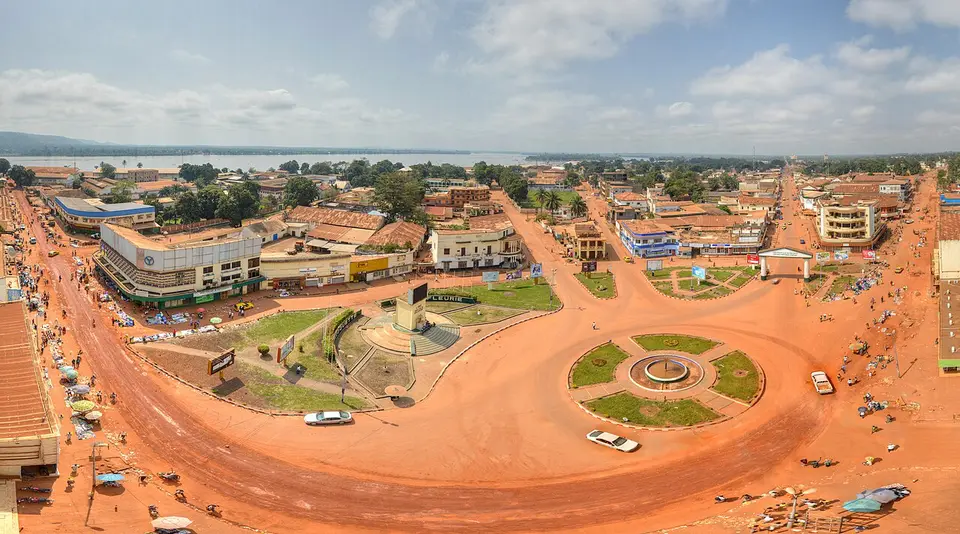
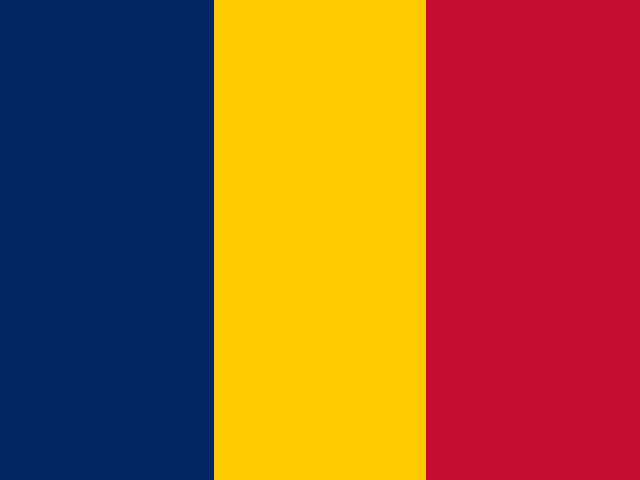
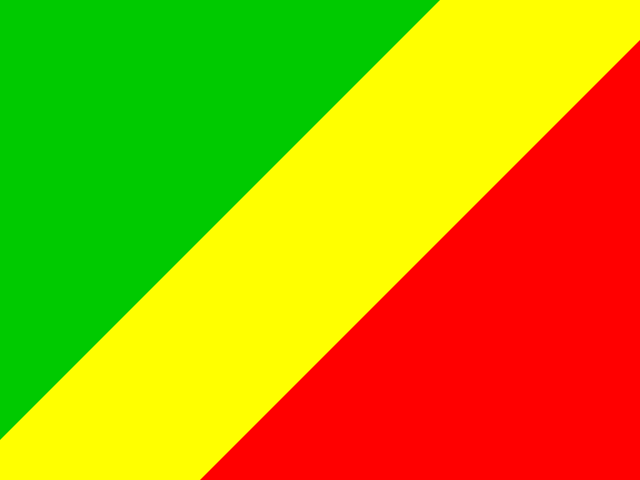
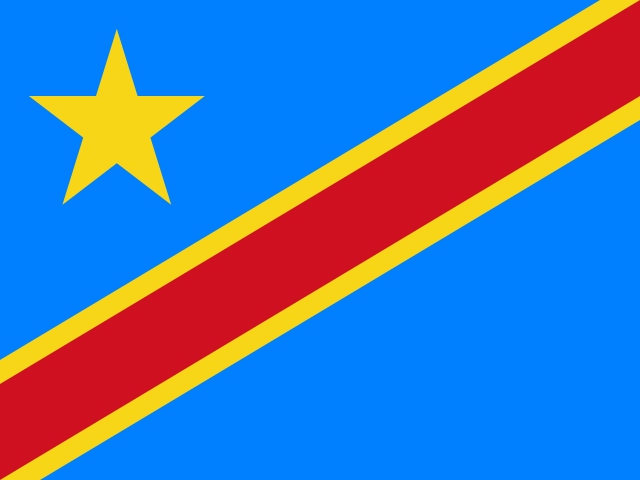
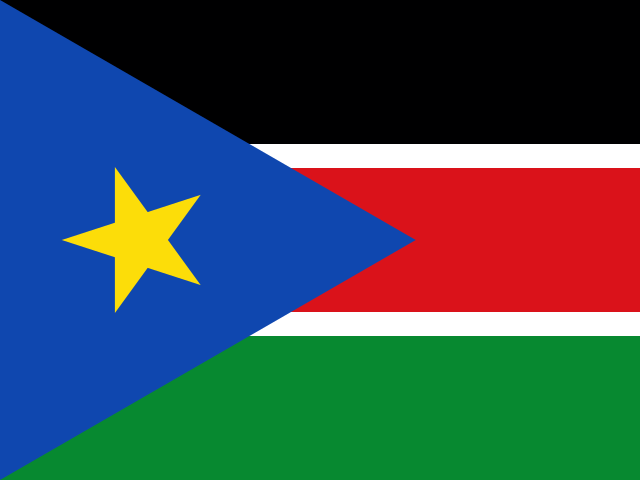
The Central African Republic lives up to its name: it sits almost exactly in the middle of the continent. It is landlocked, with Chad to the north, Sudan and South Sudan to the east, the Democratic Republic of the Congo and the Republic of the Congo to the south, and Cameroon to the west. The capital, Bangui, is on the southern border, on the north bank of the Ubangi River, directly across from the DR Congo.
On a world map, draw a line from the Gulf of Guinea east to the Horn of Africa and another from the Mediterranean south to the Cape. The two lines cross close to the Central African Republic.
How to find the Central African Republic on the map
- Start from the DR Congo. The Central African Republic is the country sitting on top of the DR Congo's northern border.
- Find Chad. It is directly south of Chad and shares a long border with it.
- Look for the Ubangi River. This river forms the southern boundary and Bangui sits right on it.
- Don't confuse it with Chad. Chad stretches far north into the Sahara and touches Libya; the Central African Republic stays in the tropical belt.
Flag
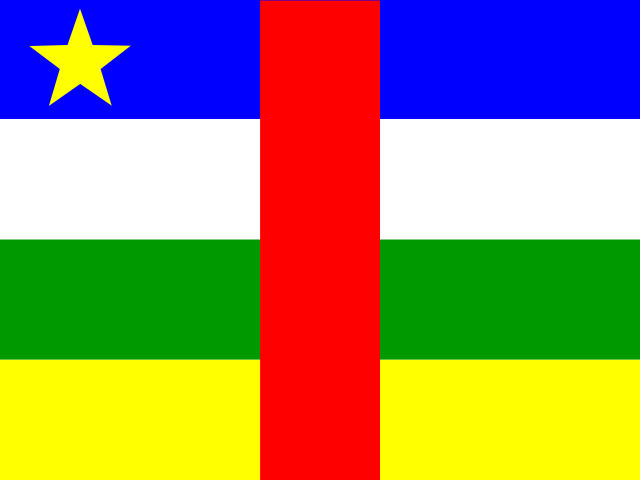
The flag is unusual. Four horizontal stripes – blue, white, green and yellow from top to bottom – are crossed by a single vertical red stripe in the centre, and a yellow five-pointed star sits in the upper hoist corner. The design combines the blue, white and red of France with the pan-African green, yellow and red, a deliberate symbol of links between Africa and Europe.
In the Flags quiz, no other flag has four horizontal stripes cut by one vertical stripe, so once you have seen it, it is hard to mistake.
A short history of the Central African Republic
The forests and savannas of the Central African Republic have been home to many peoples, including the Aka and other forest hunter-gatherers in the south-west. Thousands of years ago, people here raised large standing stones, the megaliths of Bouar in the west. Later, Bantu and Ubangian-speaking farmers settled along the rivers.
From the 1600s onwards the region suffered terribly from slave raiding. Traders from the north and east, linked to sultanates such as Dar al-Kuti and states in what is now Sudan and Chad, captured people and sold them across the Sahara and towards the Nile. Raids from the Atlantic trade also reached the south. The result was a thinly populated land, which helps explain why the country still has so few people for its size.
France arrived in the 1880s, founded Bangui in 1889 and created the colony of Ubangi-Shari. Much of the land was handed to private concession companies that forced people to gather rubber and later to grow cotton. Abuses were severe, and anger exploded in the Kongo-Wara rebellion of 1928–1931. In 1910 Ubangi-Shari became part of French Equatorial Africa.
The independence leader Barthélemy Boganda gave the country its name and flag and hoped to unite the French territories of Central Africa. He died in a plane crash in 1959, just before independence in 1960. In 1966 Jean-Bédel Bokassa seized power, and in 1977 he crowned himself emperor in an extravagant ceremony, renaming the country the Central African Empire. French troops helped remove him in 1979.
Since then the country has faced repeated coups and rebellions. In 2013 the Séléka rebel coalition took Bangui, and fighting with anti-balaka militias divided communities along religious lines. UN peacekeepers have been deployed for years. The land is rich in diamonds, gold, timber and uranium, but conflict has kept the country among the poorest in the world.
Culture and daily life in the Central African Republic
The Central African Republic is unusual in Africa because almost everyone shares one common language, Sango. It began as a trade language along the Ubangi River and spread during colonial times, and today it helps bind together dozens of ethnic groups, the largest being the Gbaya and Banda. Most people are Christian, with a Muslim minority mainly in the north and among traders.
The Aka are famous for their complex polyphonic singing, which UNESCO lists as intangible heritage, and for their deep knowledge of forest plants. In Bangui's bars and dance halls, local musicians mix Central African rhythms with the Congolese rumba that drifts across the river from the DR Congo.
Daily life for most people revolves around farming cassava, maize and groundnuts, as well as fishing and hunting. Craftspeople make butterfly-wing pictures, ebony carvings and woven baskets. Basketball is unusually popular, and the national team won the African championship in 1974 and 1987, a proud memory in Bangui.
Five facts worth knowing
- The country is almost the same size as France but has one of the smallest populations relative to its area in Africa.
- Bangui is a border city. The Ubangi River that runs past it is the frontier with the DR Congo, and the Congolese town of Zongo lies on the opposite bank.
- It was the French colony of Ubangi-Shari until independence in 1960, and French remains an official language alongside Sango.
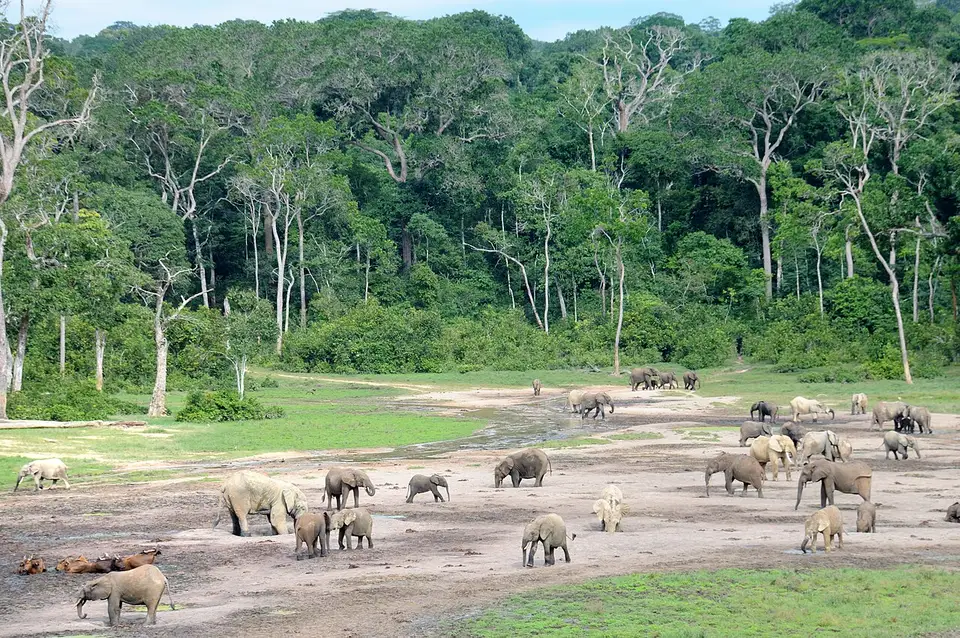
- The Dzanga-Sangha reserve in the south-west is known for forest elephants and western lowland gorillas.
- The country has no coastline and no railway, so most trade moves by river and by road through Cameroon to the port of Douala.
Culture and traditions in the Central African Republic
- Saying hello
"Bara ala" in Sango, or "Bonjour" in French.
- Food and drink
Cassava-based dishes such as gozo, often with ngunza, a stew of cassava leaves.
- Festivals and traditions
Republic Day on 1 December is the main national celebration.
- Everyday life
Sango and French are both official, and greetings are an important part of daily life.
- Did you know?
The polyphonic singing of the Aka people is on UNESCO's intangible heritage list.
Common mistakes
- Tapping Chad, the larger neighbour to the north.
- Tapping South Sudan or the northern DR Congo.
- Confusing it with "Congo" because of the shared central position.
Practise with the Central African Republic
- Africa quiz – aim for the middle of the continent, just north of the DR Congo.
- Africa flags – the four stripes with a vertical red bar are a quick win.
- Africa capitals quiz – Bangui.
- Mystery Country – a wide, roughly rectangular landlocked outline with a wavy southern edge along the river.
- Mistake Bank – it is a frequent miss, so it will show up here if you have tapped Chad by mistake.
Nearby countries
Quick check: how well do you know the Central African Republic?
3 questions, no sign-up. Tap an answer.
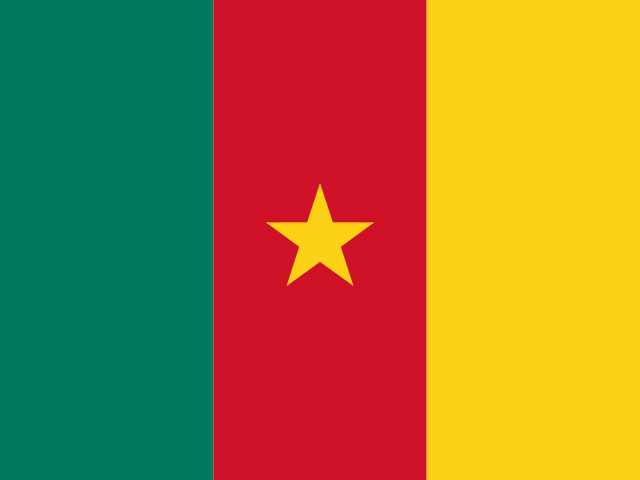
1. Which flag belongs to the Central African Republic?
That's the flag of the Central African Republic.
2. What is the capital of the Central African Republic?
The capital of the Central African Republic is Bangui.
3. Which of these countries borders the Central African Republic?
Cameroon, Chad, Congo, DR Congo, South Sudan and Sudan border the Central African Republic.
Keep going on the Africa quiz – Central African Republic is one of 54 countries there.
More ways to practise: find the Central African Republic on the blank map with no borders (hard mode), or play today's Globe and the other daily puzzles.
Frequently asked questions about the Central African Republic
What language is spoken in the Central African Republic?
French and Sango are the two official languages. Sango, which began as a trade language along the Ubangi River, is spoken by almost the whole population, while French is used mainly in government, education and writing.
What currency does the Central African Republic use?
The Central African Republic uses the Central African CFA franc (XAF), shared with five other countries in the region, including Cameroon and Chad. It is pegged to the euro at 655.957 francs to one euro.
What time zone is the Central African Republic in?
The Central African Republic is on West Africa Time, UTC+1, all year round and does not use daylight saving time. It shares its clock with Cameroon, Chad and Kinshasa in the DR Congo.
Which side of the road do they drive on in the Central African Republic?
Traffic drives on the right. Most roads outside Bangui are unpaved and can become impassable in the rainy season, so the river remains an important route for goods.
What is the highest point in the Central African Republic?
The highest point is Mont Ngaoui, about 1,410 metres, on the border with Cameroon in the north-west. It lies at the edge of the Adamawa Plateau, which stretches across from Cameroon.
What is the Central African Republic known for?
The country is known for diamonds and gold, and for rainforest wildlife in the south-west, where the Dzanga-Sangha reserve forms part of a UNESCO site shared with Cameroon and Congo. The Aka people of the forest are known for polyphonic singing listed by UNESCO.
Quizzes with the Central African Republic
Guides that help with this
- Learn all 54 African countries in a weekLearn the coastline in order, region by region.
- Flags that look alike (and how to tell them apart)Chad or Romania? Australia or New Zealand? The flag pairs that cost quiz points.
- The 25 hardest countries to find on a mapPacific islands, Caribbean islands and landlocked Africa – where they are.