Chad
Capital: N'Djamena. Chad is one of the 54 countries in the Africa quiz.
Quick answers: What is the capital of Chad? · Which countries border Chad?
Facts about Chad
- CapitalN'Djamena
- Population21 million
- Area1,284,000 km²
- RegionAfrica
- LanguagesFrench, Arabic
- CurrencyCentral African CFA franc (XAF)
Chad is the 23rd most populous of the 54 countries in Africa and the 5th largest by area. Worldwide it ranks 64th by population and 20th by area.
Where is Chad?
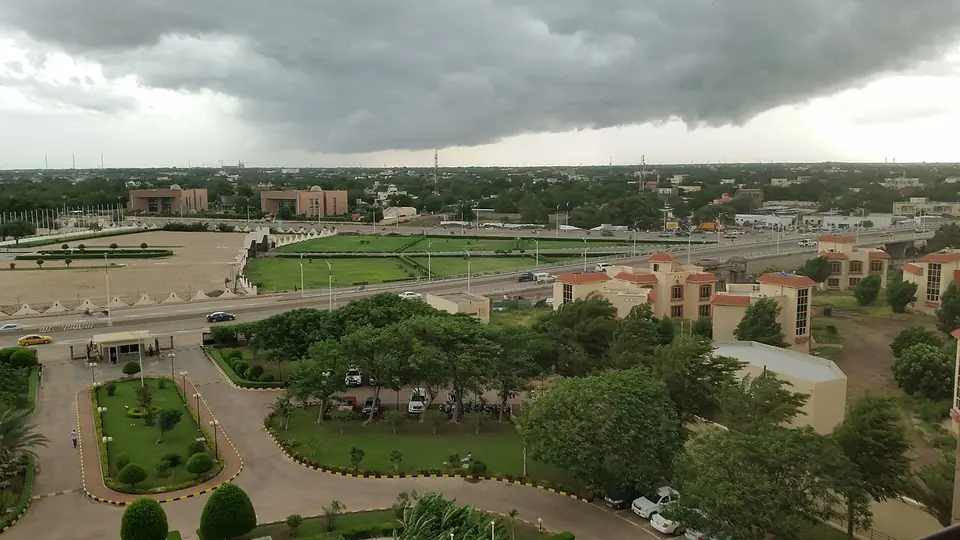
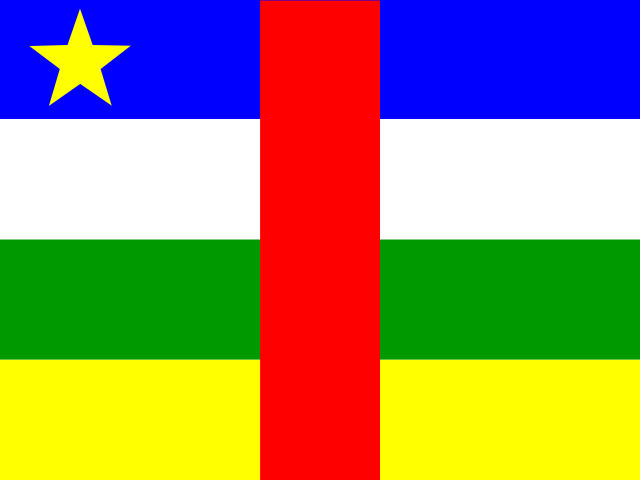
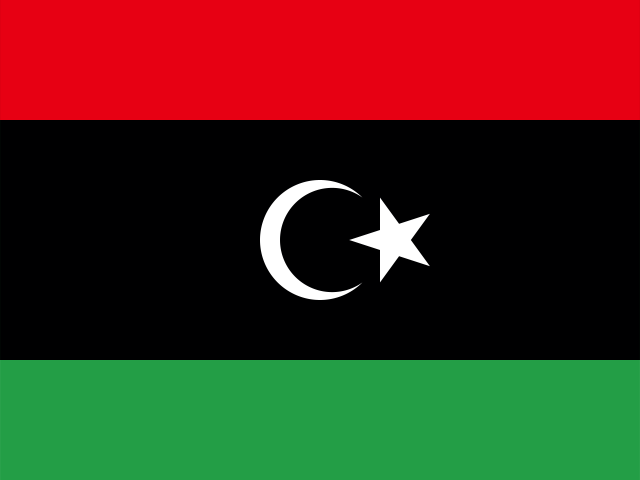
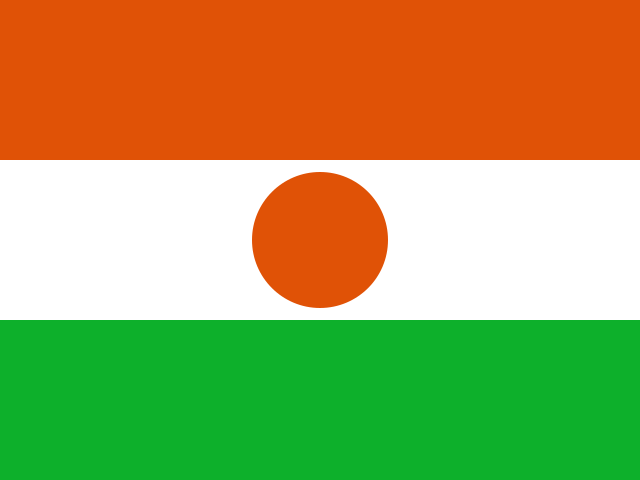
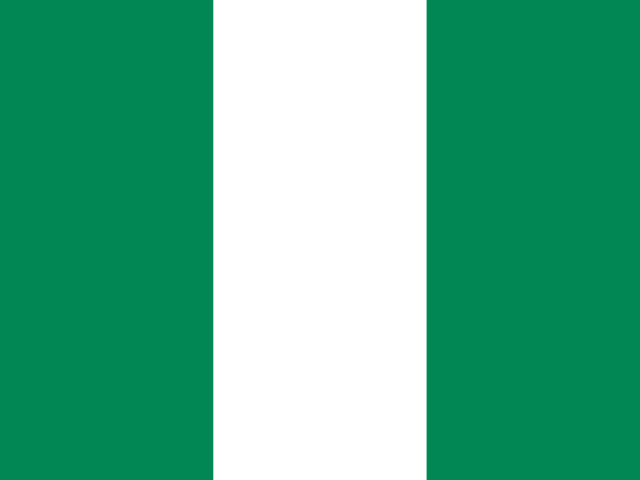
Chad is a large landlocked country in north-central Africa, stretching from the deep Sahara in the north to wet savanna in the south. Libya lies to the north, Sudan to the east, the Central African Republic to the south, and Cameroon, Nigeria and Niger to the west. The capital, N'Djamena, is on the western border, on the Chari River, directly opposite the Cameroonian town of Kousséri.
On a world map, find Libya on the Mediterranean coast and go straight south. The big country beneath it, east of Niger and west of Sudan, is Chad.
How to find Chad on the map
- Start from Libya. Chad is the country directly south of Libya's southern border.
- Find Lake Chad. The lake sits at the country's western edge, where Chad, Niger, Nigeria and Cameroon meet.
- Look for the tall rectangle. Chad is much taller than it is wide, running from the Sahara almost to the equatorial forests.
- Don't confuse it with Niger. Niger is to the west and reaches further towards the Atlantic side of the continent; Chad is the one touching Sudan.
Flag
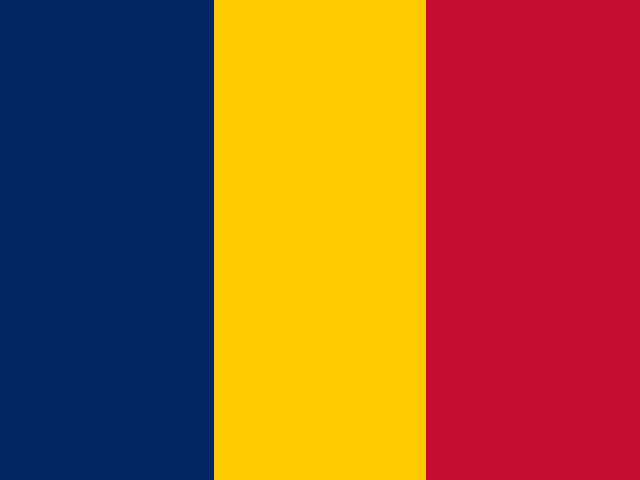
Chad's flag is a vertical tricolour of blue, yellow and red, with blue at the hoist. Blue represents the sky and the south, yellow the sun and the desert of the north, and red the sacrifice of independence. It blends the French tricolour layout with pan-African colours.
The flag is almost identical to Romania's, which uses a slightly brighter blue. In the Flags quiz the two are the classic trap: if the question is about Africa, pick Chad; if it is about Europe, pick Romania. Andorra and Moldova use the same colours too but add a coat of arms in the centre.
A short history of Chad
Chad may hold some of the oldest clues to human origins. In 2001 scientists in the Djurab Desert found a skull nicknamed Toumaï, around seven million years old and one of the earliest known members of the human family tree. Much later, when the Sahara was green, hunters and herders painted giraffes and cattle on rocks in the Ennedi and Tibesti.
For many centuries the area around Lake Chad was a hub of trade across the Sahara. From around the 800s, the empire of Kanem grew north-east of the lake, and its rulers converted to Islam. Kanem later moved west of the lake and became Bornu, which reached a peak in the late 1500s. Further east, the sultanates of Baguirmi and Wadai rose in the 1500s and 1600s. These states traded salt, horses and enslaved people taken from the south, a history that still affects relations between the north and south of the country.
In the late 1800s a warlord from Sudan, Rabih az-Zubayr, conquered much of the region. France defeated him at the Battle of Kousséri in 1900 and gradually took control. Chad became a colony within French Equatorial Africa, but France invested little, apart from cotton growing in the south. In 1940 Chad's governor, Félix Éboué, was the first colonial leader to side with de Gaulle's Free French, giving the movement a vital base in Africa.
Chad became independent in 1960 under François Tombalbaye, a southerner. Northern resentment led to a rebellion in 1966 and a long civil war. Libya backed some factions and occupied the Aouzou Strip in the north, but Chad drove Libyan forces out in the "Toyota War" of 1987, named after the pick-up trucks its fighters used. The International Court of Justice confirmed the strip as Chadian in 1994. Idriss Déby took power in 1990 and ruled for three decades.
Chad began exporting oil in 2003, but most people still live from farming and herding. The country plays a large military role in the Sahel and hosts many refugees from Sudan.
Culture and daily life in Chad
Chad stretches across the border between Arab, Saharan and sub-Saharan Africa, and its culture reflects all three. Chadian Arabic is the everyday trade language across much of the country, especially in N'Djamena. In the north live Toubou and Zaghawa herders, while the Sara, the largest group, live in the south. Roughly half the population is Muslim, mainly in the north and centre, and Christians form the majority in the south.
Nomadic life is still common in the Sahel. Herders move with camels, cattle and goats between seasonal pastures. Many wear long robes and turbans against the sun and sand. Leatherwork, woven mats, and silver and brass jewellery are traditional crafts.
Chad's most famous artist is film director Mahamat-Saleh Haroun, whose film A Screaming Man won the Jury Prize at Cannes in 2010. Wrestling is a popular traditional sport, and football is followed everywhere, especially in the towns. Markets in N'Djamena and other towns are lively meeting places where traders from the desert, the savanna and neighbouring countries come together.
Five facts worth knowing
- Chad is the fifth-largest country in Africa by area, larger than any country in the European Union.
- Lake Chad has shrunk dramatically since the 1960s, losing most of its surface area through drought and water use.
- The Tibesti Mountains in the far north contain Emi Koussi, a volcano that is the highest point in the Sahara at around 3,400 metres.
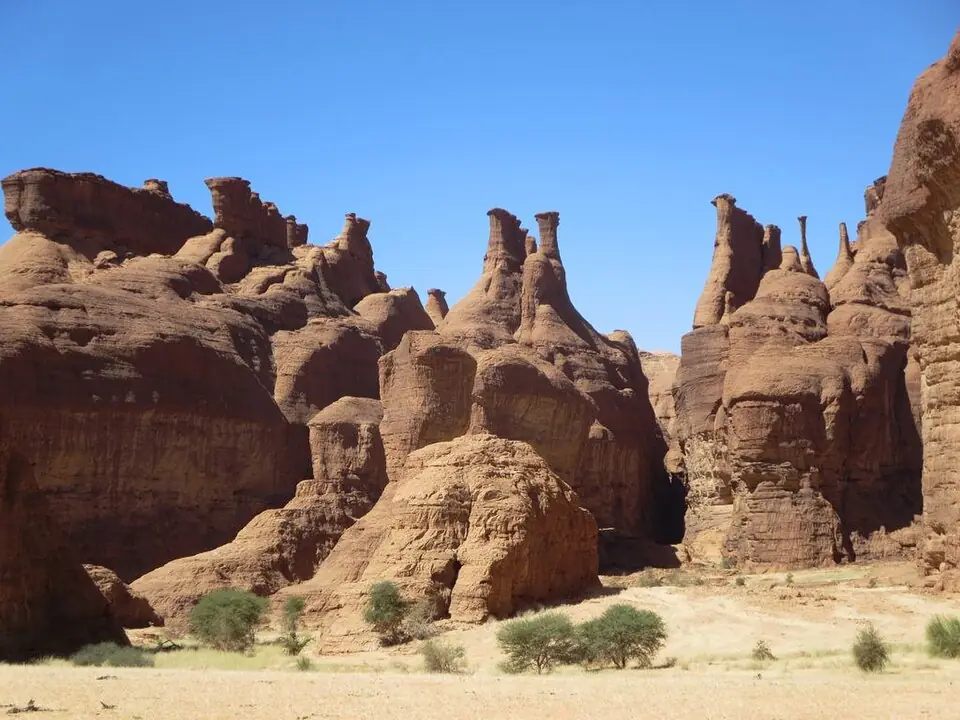
- The Ennedi Plateau is a UNESCO World Heritage site known for natural rock arches and ancient rock art.
- French and Arabic are the official languages, reflecting both the colonial past and the Arabic-speaking north.
Culture and traditions in Chad
- Saying hello
"Salam alaykum" or "Bonjour", with a handshake.
- Food and drink
Boule, a thick millet or sorghum porridge served with sauces.
- Festivals and traditions
The Gerewol festival of the Wodaabe people, around September, with dances and elaborate makeup.
- Everyday life
Sweet tea is shared in social gatherings, and greetings are long and courteous.
- Did you know?
Chad has more than 120 languages, with French and Arabic as official languages.
Common mistakes
- Tapping Niger, the similarly large desert country to the west.
- Tapping Sudan to the east.
- Choosing Romania's flag in the Flags quiz, or vice versa.
Practise with Chad
- Africa quiz – find Libya and go south; Chad is the tall country beneath it.
- Africa flags – learn to pick Chad's tricolour in an African context.
- Europe flags – worth a run too, so you stop mixing it up with Romania.
- Africa capitals quiz – N'Djamena.
- Mystery Country – a tall, blocky outline with Lake Chad notched into the western side.
Nearby countries
Quick check: how well do you know Chad?
3 questions, no sign-up. Tap an answer.
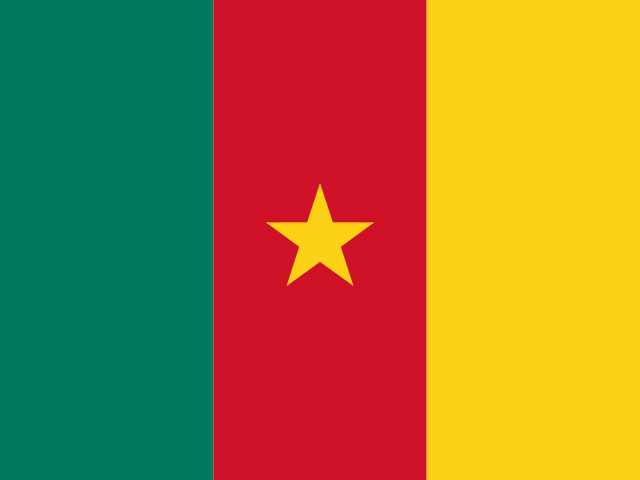
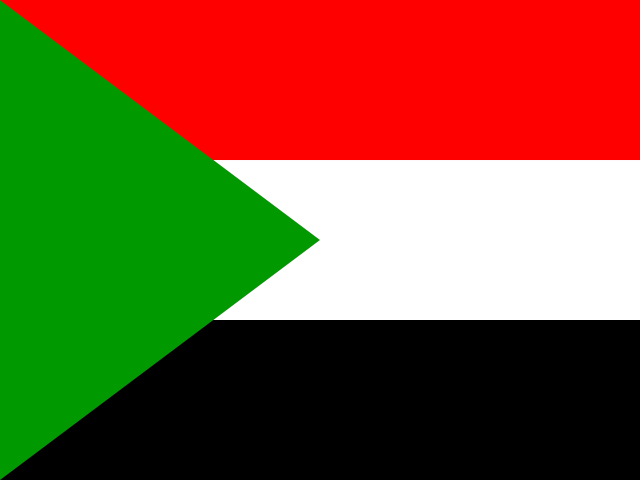
1. Which flag belongs to Chad?
That's the flag of Chad.
2. What is the capital of Chad?
The capital of Chad is N'Djamena.
3. Which of these countries borders Chad?
Cameroon, the Central African Republic, Libya, Niger, Nigeria and Sudan border Chad.
Keep going on the Africa quiz – Chad is one of 54 countries there.
More ways to practise: find Chad on the blank map with no borders (hard mode), or play today's Globe and the other daily puzzles.
Frequently asked questions about Chad
What language is spoken in Chad?
French and Arabic are the official languages. In daily life most people use Chadian Arabic, a local variety that serves as the main trade language, while Sara and well over 100 other local languages are spoken across the country, especially in the south.
What currency does Chad use?
Chad uses the Central African CFA franc (XAF). It is shared with Cameroon, the Central African Republic, Congo, Equatorial Guinea and Gabon, and is pegged to the euro at a fixed rate guaranteed by the French Treasury.
What time zone is Chad in?
Chad uses West Africa Time, UTC+1, across the whole country. It does not use daylight saving time, so clocks stay the same all year. N'Djamena shares its time with Lagos and Kinshasa.
Which side of the road do they drive on in Chad?
Traffic in Chad drives on the right, as in all of its neighbours. Paved roads are limited outside the south and the area around N'Djamena, and many journeys in the north are made on desert tracks.
What is the highest point in Chad?
Emi Koussi, a huge shield volcano in the Tibesti Mountains, is the highest point in Chad at about 3,415 metres. Its summit holds a wide caldera several kilometres across.
Why is Chad called Chad?
The country is named after Lake Chad on its western border. The name of the lake is usually traced to a word in the Kanuri language meaning a large expanse of water, and the French applied it to the whole colony.
Quizzes with Chad
Often confused with
Guides that help with this
- Learn all 54 African countries in a weekLearn the coastline in order, region by region.
- Flags that look alike (and how to tell them apart)Chad or Romania? Australia or New Zealand? The flag pairs that cost quiz points.
- The 25 hardest countries to find on a mapPacific islands, Caribbean islands and landlocked Africa – where they are.