Kenya
Capital: Nairobi. Kenya is one of the 54 countries in the Africa quiz.
Quick answers: What is the capital of Kenya? · Which countries border Kenya?
Facts about Kenya
- CapitalNairobi
- Population57.5 million
- Area580,367 km²
- RegionsAfrica, East Africa
- LanguagesEnglish, Swahili
- CurrencyKenyan shilling (KES)
Kenya is the 7th most populous of the 54 countries in Africa and the 23rd largest by area. Worldwide it ranks 26th by population and 47th by area.
Where is Kenya?
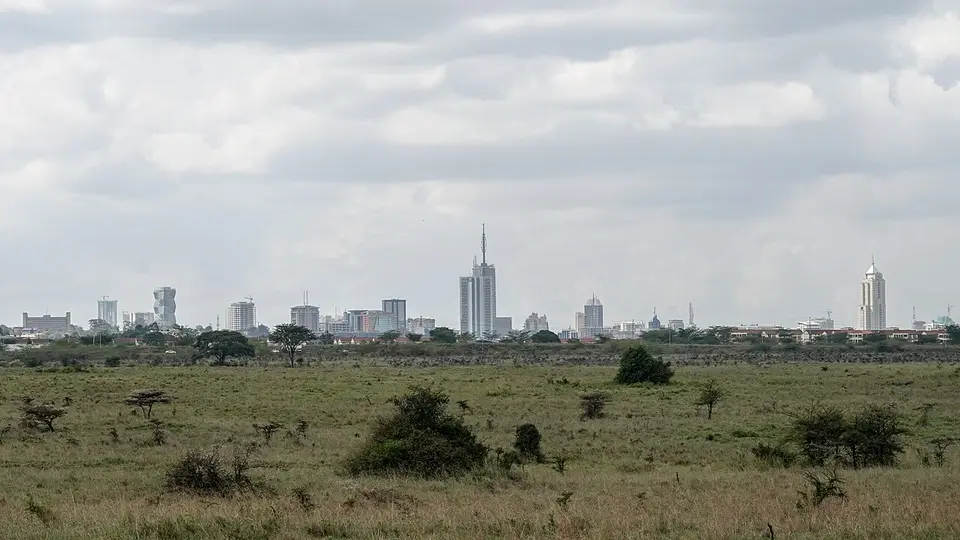
Kenya is on the east coast of Africa, with the equator running straight through the middle of it. The Indian Ocean lies to the south-east, Somalia to the east, Ethiopia to the north, South Sudan to the north-west, Uganda to the west and Tanzania to the south. The south-western corner touches Lake Victoria, Africa's largest lake. Nairobi, the capital, is in the southern highlands; Mombasa, the main port, is on the coast.
On a world map, find the Horn of Africa – the pointed bulge on the east side of the continent. Kenya is the country just below the Horn, where the coastline turns south toward Tanzania and Mozambique.
How to find Kenya on the map
- Start from the equator. Kenya is the East African country that the equator line crosses, with the coast on its right.
- Look for Lake Victoria. Kenya holds the north-eastern corner of the lake; Uganda and Tanzania share the rest.
- Don't confuse it with Tanzania. Tanzania is the larger country directly south, with Zanzibar off its coast and most of Lake Victoria's shoreline.
- Don't confuse it with Ethiopia. Ethiopia is to the north and landlocked; Kenya has the coast.
Flag
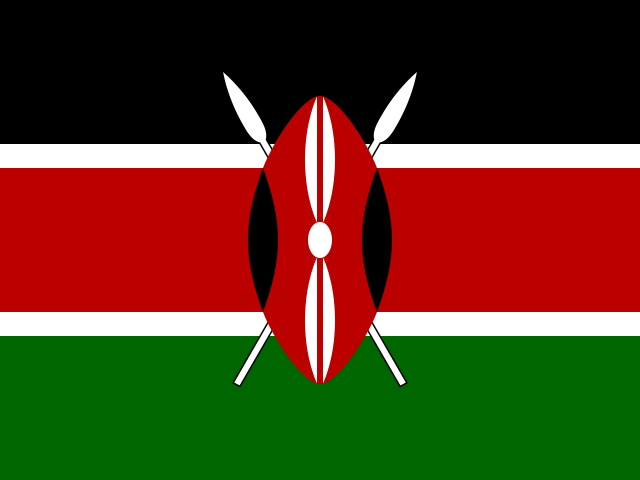
Kenya's flag has three horizontal bands – black, red and green – separated by thin white stripes, with a Maasai shield and two crossed spears in the centre. Black stands for the people, red for the struggle for independence, green for the land, and white for peace.
The colours resemble those of several other African flags, but the shield and spears are unique. If you see a red, black and green flag with a shield in the middle, it's Kenya; Malawi, for example, uses black, red and green with a rising sun instead.
A short history of Kenya
Kenya is one of the places where the human story begins. Fossils found around Lake Turkana, including the nearly complete skeleton known as Turkana Boy, are about 1.5 million years old. Much later, three great waves of people settled the land: Cushitic herders from the north, Bantu farmers from the west and Nilotic peoples such as the Maasai and Luo. Their descendants make up Kenya's many ethnic groups today.
On the coast a different world grew up. From around the 900s, trading towns such as Mombasa, Malindi and Lamu linked Africa with Arabia, Persia and India, and a mix of African and Arab culture produced the Swahili language. The Portuguese arrived with Vasco da Gama in 1498 and built Fort Jesus in Mombasa in the 1590s, but Omani Arabs drove them out a century later and later ruled the coast from Zanzibar.
Britain declared a protectorate in 1895 and built a railway from Mombasa towards Lake Victoria. Nairobi began in 1899 as a railway depot on a swampy plain. The fertile central highlands were reserved for white settlers, and Africans lost land and paid taxes without a political voice. Anger erupted in the Mau Mau uprising of the 1950s, which the British crushed with mass detention camps.
Kenya became independent on 12 December 1963, with Jomo Kenyatta as its first leader. Under his successor Daniel arap Moi it became a one-party state in 1982, until protests brought back multi-party politics in 1991. A disputed election in 2007 led to deadly violence, and a new constitution in 2010 shared power out to 47 counties.
Today Kenya is East Africa's business hub. Tea, cut flowers and tourism earn foreign money, and the M-Pesa mobile money system, launched in 2007, made the country a world leader in paying by phone.
Culture and daily life in Kenya
Kenya has more than 40 ethnic groups, the largest including the Kikuyu, Luhya, Kalenjin, Luo and Kamba, each with its own language. Most people speak their home language, Swahili and English, and young people in Nairobi mix them into a street slang called Sheng. Most Kenyans are Christian, while Islam is strong on the coast and in the north-east.
Kenyan writing has shaped African literature. Ngũgĩ wa Thiong'o, author of Weep Not, Child and A Grain of Wheat, later chose to write in his mother tongue, Gikuyu, as a stand against colonial culture. Wangari Maathai founded the Green Belt Movement, which planted millions of trees, and in 2004 became the first African woman to win the Nobel Peace Prize.
Music ranges from the guitar-driven benga of Luo country to the modern pop of Sauti Sol. Brightly painted matatu minibuses, blasting music and covered in murals, are a moving art form of their own. Beyond running, Kenyans love football and rugby sevens, a sport in which the national team is a regular force.
Five facts worth knowing
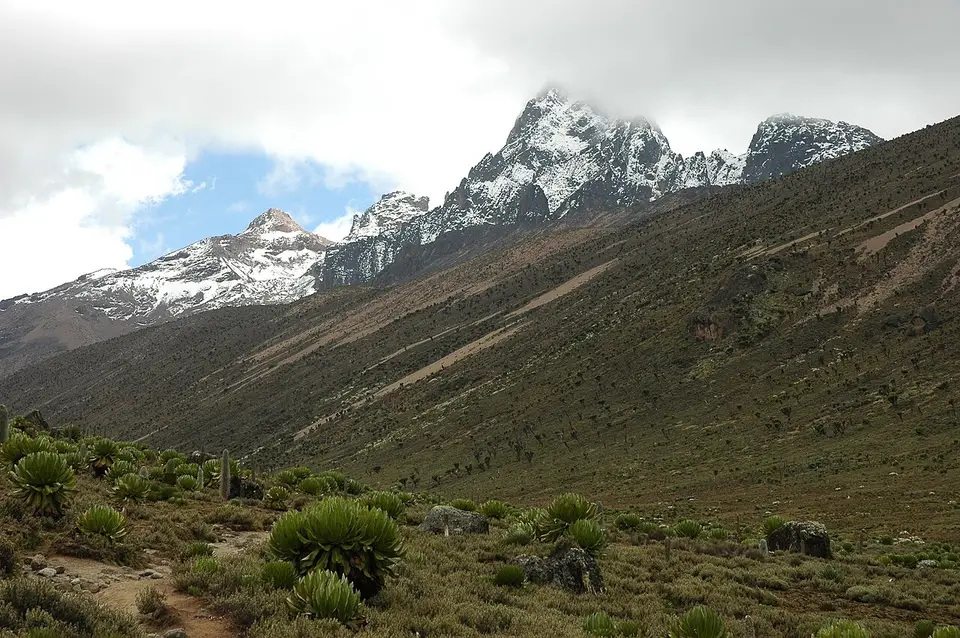
- Mount Kenya, at 5,199 metres, is the second-highest mountain in Africa after Kilimanjaro, which is just over the border in Tanzania.
- The Great Rift Valley cuts through Kenya from north to south, creating a chain of lakes including Turkana, Nakuru and Naivasha.
- Kenya is famous for distance running; athletes from the Rift Valley highlands have dominated marathons and middle-distance events for decades.
- The Maasai Mara, in the south-west, hosts the annual wildebeest migration across the border from Tanzania's Serengeti.
- Swahili and English are both official languages, and Swahili is a shared language across much of East Africa.
Culture and traditions in Kenya
- Saying hello
"Jambo" or "Habari?" (how are you?) in Swahili, with a handshake.
- Food and drink
Ugali, a firm maize porridge, with sukuma wiki greens; nyama choma, grilled meat; sweet milky chai.
- Festivals and traditions
Jamhuri Day on 12 December; the Lamu Cultural Festival, usually in November.
- Everyday life
Greeting properly before getting to business is important. Swahili and English are both widely spoken, and tea breaks are common.
- Did you know?
The word "safari" comes from Swahili, where it simply means "journey".
Common mistakes
- Tapping Tanzania – it's next door, similar in shape at world zoom, and also touches Lake Victoria.
- Tapping Ethiopia or Somalia, which are also part of the Horn region.
- Mixing up the Kenyan and Malawian flags in the Flags quiz.
Practise with Kenya
- East Africa quiz – the region zooms in, so Kenya, Tanzania, Uganda and Ethiopia are easier to separate.
- Africa quiz – the coastal country under the Horn, with the equator through it.
- Africa flags – the shield and spears.
- Africa capitals quiz – Nairobi.
- Mystery Country – the outline has a straight northern border, a diagonal coast and a notch where Lake Victoria cuts in.
Nearby countries
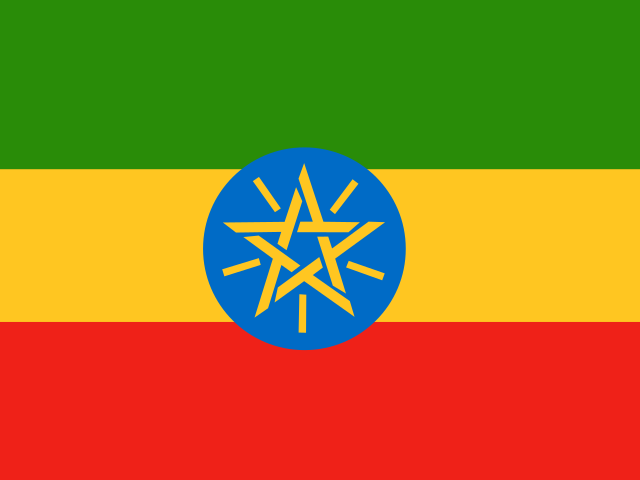 EthiopiaAddis Ababa
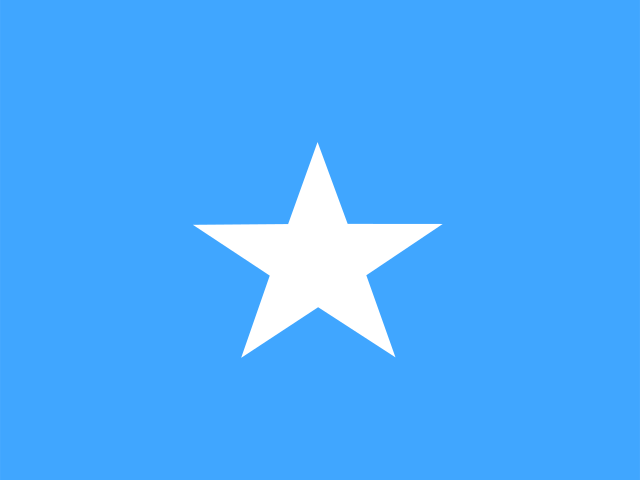 SomaliaMogadishu
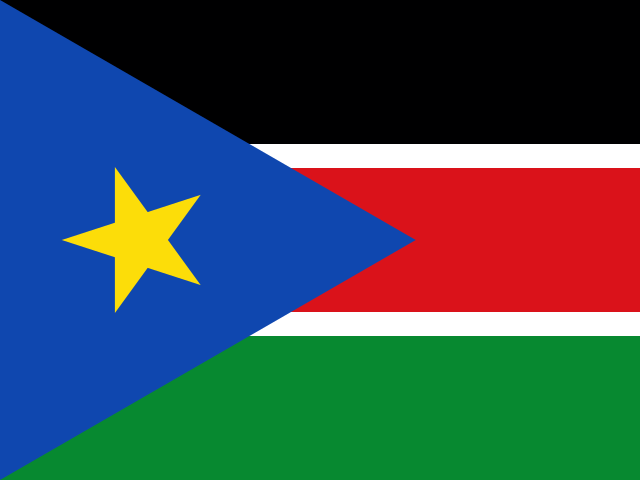 South SudanJuba
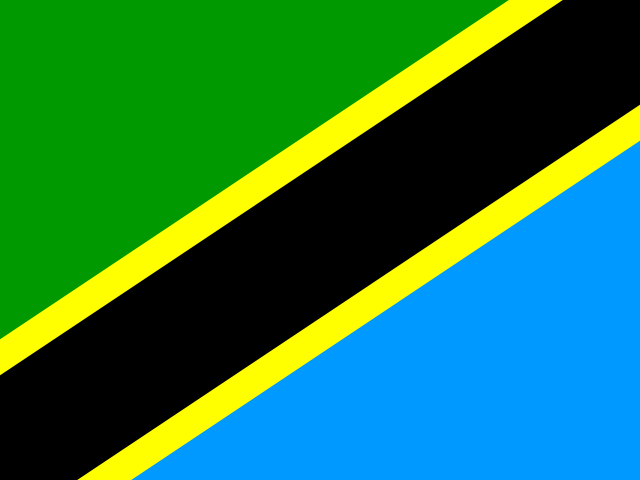 TanzaniaDodoma
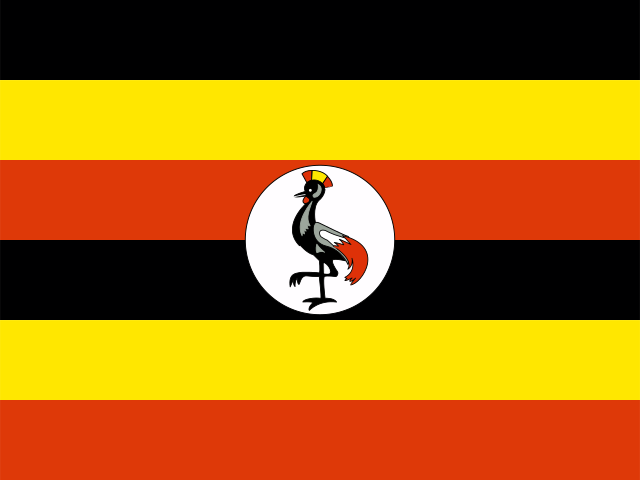 UgandaKampala
Quick check: how well do you know Kenya?
3 questions, no sign-up. Tap an answer.
1. Which flag belongs to Kenya?
That's the flag of Kenya.
2. What is the capital of Kenya?
The capital of Kenya is Nairobi.
3. Which of these countries borders Kenya?
Ethiopia, Somalia, South Sudan, Tanzania and Uganda border Kenya.
Keep going on the Africa quiz – Kenya is one of 54 countries there.
More ways to practise: find Kenya on the blank map with no borders (hard mode), or play today's Globe and the other daily puzzles.
Frequently asked questions about Kenya
What language is spoken in Kenya?
Kenya has two official languages, English and Swahili (Kiswahili). Swahili is the national language and a common tongue across East Africa, while English is used in government, business and higher education. Most Kenyans also speak a home language, such as Kikuyu, Luo, Luhya or Kalenjin.
What currency does Kenya use?
Kenya uses the Kenyan shilling (KES), introduced in 1966 to replace the East African shilling. Its value floats. Mobile money is unusually common: services such as M-Pesa let people pay for almost anything, from taxis to school fees, by phone.
What time zone is Kenya in?
Kenya is on East Africa Time, UTC+3, all year. Because it lies on the equator, day and night are each about 12 hours long throughout the year, so there is no daylight saving time.
Which side of the road do they drive on in Kenya?
Kenya drives on the left, a legacy of British rule, as do Uganda and Tanzania. Shared minibuses called matatus, often painted with bright designs and playing loud music, carry most commuters in Nairobi and between towns.
What is the highest point in Kenya?
The highest point is Batian, the main summit of Mount Kenya, at about 5,199 metres. It is the second-highest peak in Africa after Kilimanjaro, and Kenya's name is thought to come from the mountain.
What is Kenya famous for?
Kenya is famous for safari parks such as the Maasai Mara, where the wildebeest migration crosses the Mara River, and for world-beating distance runners from the highlands around Eldoret and Iten. It is also known for tea, coffee and the Swahili coast at Lamu and Mombasa.
Quizzes with Kenya
Often confused with
Guides that help with this
- Learn all 54 African countries in a weekLearn the coastline in order, region by region.
- Flags that look alike (and how to tell them apart)Chad or Romania? Australia or New Zealand? The flag pairs that cost quiz points.
- The 25 hardest countries to find on a mapPacific islands, Caribbean islands and landlocked Africa – where they are.