Kosovo
Capital: Pristina. Kosovo is one of the 46 countries in the Europe quiz.
Quick answers: What is the capital of Kosovo? · Which countries border Kosovo?
Facts about Kosovo
- CapitalPristina
- Population1.6 million
- Area10,908 km²
- RegionsEurope, The Balkans
- LanguagesAlbanian, Serbian
- CurrencyEuro (EUR)
Kosovo is the 35th most populous of the 46 countries in Europe and the 38th largest by area. Worldwide it ranks 152nd by population and 161st by area.
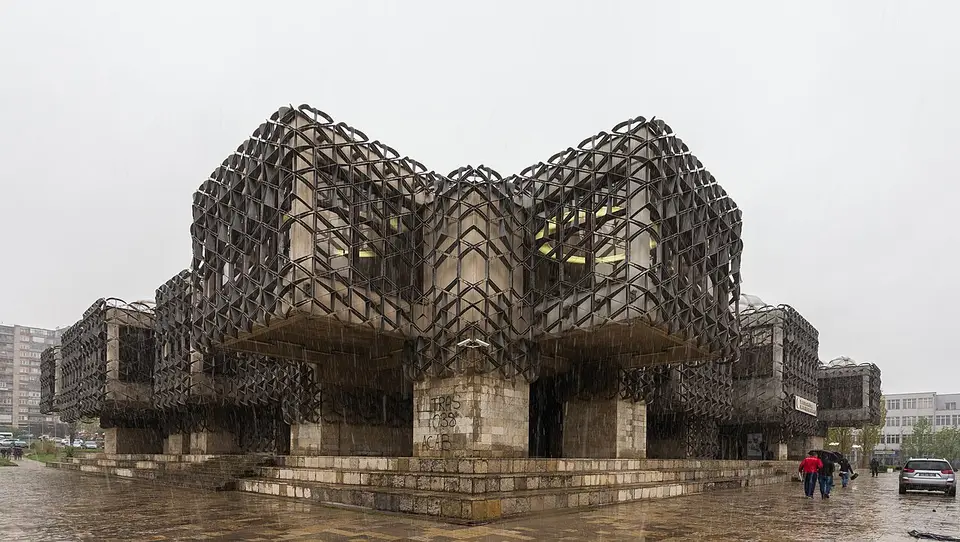
Where is Kosovo?
Kosovo is a small landlocked country in the Balkans in south-eastern Europe. Serbia lies to the north and east, North Macedonia to the south, Albania to the south-west and Montenegro to the west. The capital, Pristina, is in the north-east. Most of the country is a high basin ringed by mountains – the Sharr range along the southern border and the Accursed Mountains in the west.
Kosovo declared independence from Serbia in 2008. It is recognised by many countries, including most of the European Union and the United States, but not by Serbia, Russia or China, and it is not a member of the United Nations.
How to find Kosovo on the map
- Start from Albania. Albania is on the Adriatic coast. Kosovo is the landlocked country touching its north-eastern corner.
- Look between Serbia and North Macedonia. Kosovo is the small wedge where those two meet Albania and Montenegro.
- It's inland. If the country you've tapped has a coastline, it isn't Kosovo.
- Check the size. Kosovo is one of the smallest countries in the Balkans, about a tenth of Serbia's area.
Flag
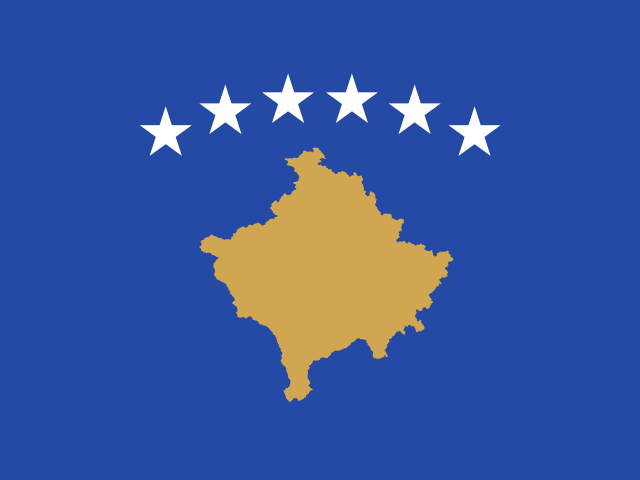
Kosovo's flag is blue with a gold map of the country in the centre and six white five-pointed stars in an arc above it. The stars represent the country's main ethnic communities. It was adopted on independence day in 2008 and deliberately avoids the colours of Albania and Serbia.
Only a handful of flags show a map of their own country. Cyprus has a copper-coloured island on white with olive branches; Kosovo has a gold map on blue with stars. Bosnia and Herzegovina also uses blue, stars and a yellow shape, but its yellow is a triangle, not a map.
A short history of Kosovo
In ancient times the area was home to Illyrian and Dardanian tribes, and it later became part of the Roman province of Moesia. Albanians see the Illyrians and Dardanians as their ancestors. Slavic peoples settled across the Balkans from the 500s and 600s, and by the 1200s Kosovo was the heartland of the medieval Serbian kingdom. The Serbian Orthodox Church built some of its most important monasteries here, including Gračanica, Visoki Dečani and the Patriarchate of Peć, now listed together by UNESCO.
On 28 June 1389 a Serbian-led army fought the Ottoman Turks at the Battle of Kosovo, on the "field of blackbirds" just outside Pristina. The battle was not a clear victory for either side, but the Ottomans soon dominated the region, and in Serbian memory the defeat became a powerful national legend. For the next five centuries Kosovo was an Ottoman land. Over time many Serbs moved north, many Albanians converted to Islam, and Albanians became the majority. In 1878 the League of Prizren met in the town to defend Albanian lands, a key moment for Albanian nationalism.
Serbia took Kosovo in the Balkan Wars of 1912–13, and it later became part of Yugoslavia. Under Tito it gained wide self-rule as an autonomous province in 1974, but Serbia removed most of that autonomy in 1989. Albanians answered with peaceful resistance led by Ibrahim Rugova, running their own parallel schools and institutions.
In the late 1990s the Kosovo Liberation Army began an armed revolt. Serbian forces responded with a crackdown that drove hundreds of thousands of Albanians from their homes, and in 1999 NATO bombed Yugoslavia for 78 days until its forces withdrew. Kosovo was then run by a United Nations mission, with NATO peacekeepers who remain there today.
Kosovo declared independence in 2008. Serbia, along with many Kosovo Serbs, regards it as a Serbian province, while Kosovo and the countries that recognise it treat it as a sovereign state. The two sides hold EU-led talks. Kosovo's economy relies heavily on money from relatives working abroad, especially in Germany and Switzerland.
Culture and daily life in Kosovo
Kosovo is a meeting point of two cultures. Most people are ethnic Albanians and Muslim, though religion is generally relaxed and secular in style; there are also Catholic Albanians. The Serb minority, which lives mainly in the north and in enclaves around Orthodox monasteries, is Serbian Orthodox. Smaller Bosniak, Turkish, Roma, Ashkali and Gorani communities add further languages.
Traditional Albanian music features the two-stringed çifteli and long epic songs about mountain heroes, while in the old towns Ottoman-style houses, hammams and mosques sit beside Orthodox churches. Pristina's bold Newborn monument, unveiled on independence day and repainted with new designs on later anniversaries, has become a symbol of the young state.
Sport gave Kosovo its proudest moment when the judoka Majlinda Kelmendi won the country's first Olympic gold at Rio 2016, the first Games where Kosovo competed. Many international footballers have Kosovo roots, and pop stars from the diaspora, including Rita Ora and Dua Lipa, whose families came from Kosovo, are followed closely at home.
Five facts worth knowing
- Kosovo declared independence on 17 February 2008, and the International Court of Justice later advised that the declaration did not breach international law.
- The euro is the official currency, even though Kosovo is not in the European Union.
- Kosovo has one of the youngest populations in Europe, with a large share of people under 30.
- Albanian and Serbian are the official languages; the great majority of the population is ethnic Albanian.
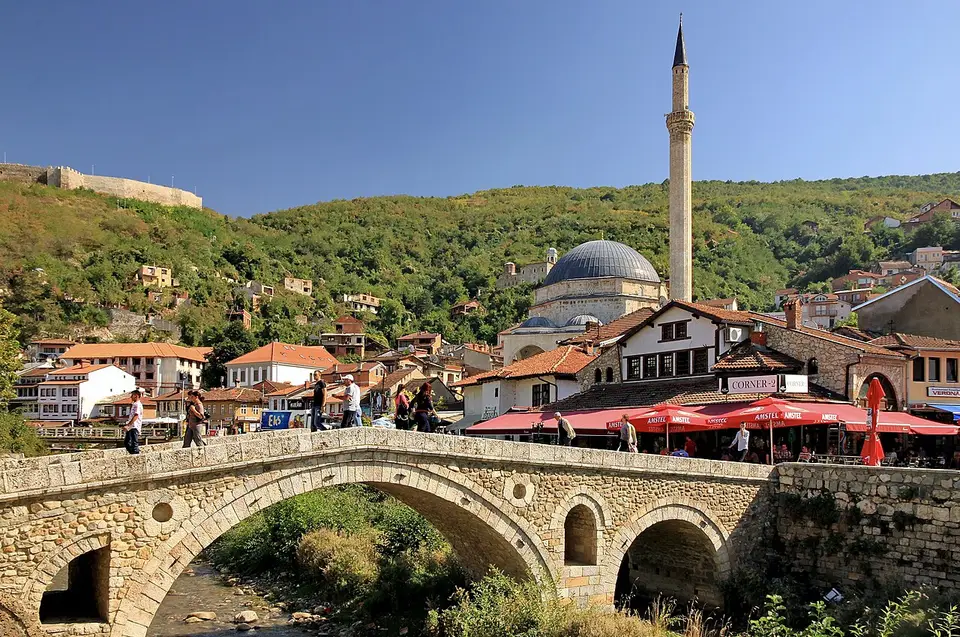
- Prizren, in the south, is the historic and cultural capital, known for its Ottoman-era old town and stone bridge.
Culture and traditions in Kosovo
- Saying hello
A handshake with "Përshëndetje" (hello); friends often kiss on the cheek.
- Food and drink
Flija, thin layers of batter baked slowly under a lid of hot coals; strong macchiato coffee.
- Festivals and traditions
Dokufest, an international documentary film festival in Prizren every August.
- Everyday life
Café culture is central, and lingering over macchiato with friends is a daily habit. Hospitality toward guests is highly valued.
- Did you know?
Kosovo has one of the youngest populations in Europe, with a median age around 30.
Common mistakes
- Tapping Albania, the neighbour that shares its language and flag colours.
- Tapping North Macedonia, directly to the south and similar in size.
- Forgetting Kosovo exists because some maps still draw it as part of Serbia.
Practise with Kosovo
- Balkans quiz – the zoomed-in map is the place to learn Kosovo's position among its five neighbours.
- Europe quiz – a tough target at continent scale; find Albania and go inland.
- Europe flags – blue with a map and six stars is a quick win once you've seen it.
- Europe capitals quiz – Pristina.
- Mistake Bank – good for the Albania–Kosovo–North Macedonia trio.
Nearby countries
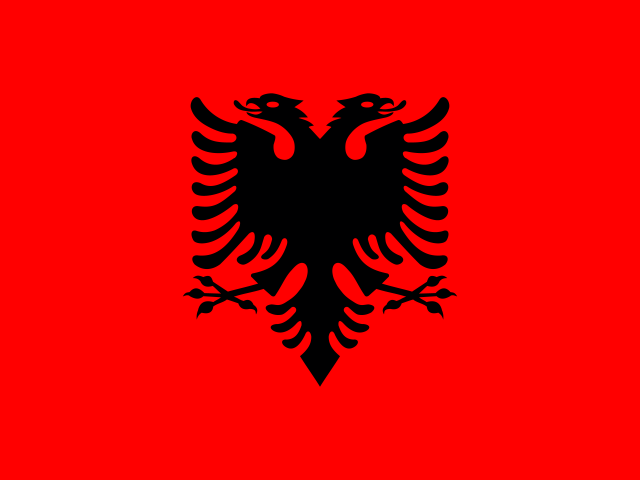 AlbaniaTirana
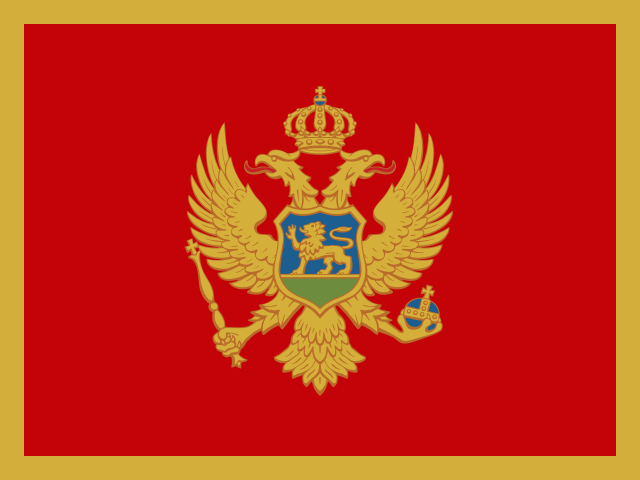 MontenegroPodgorica
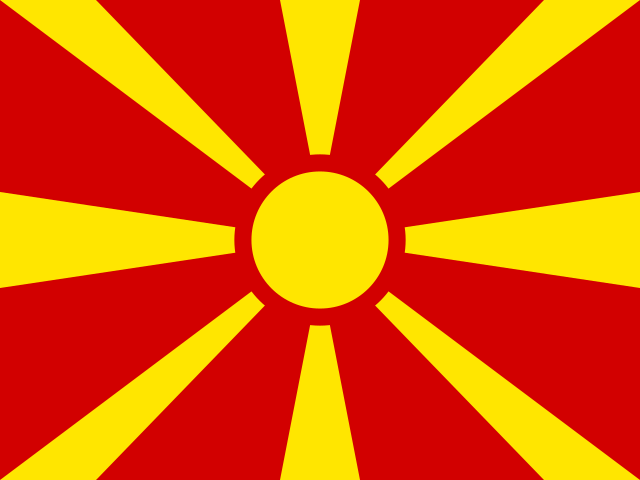 North MacedoniaSkopje
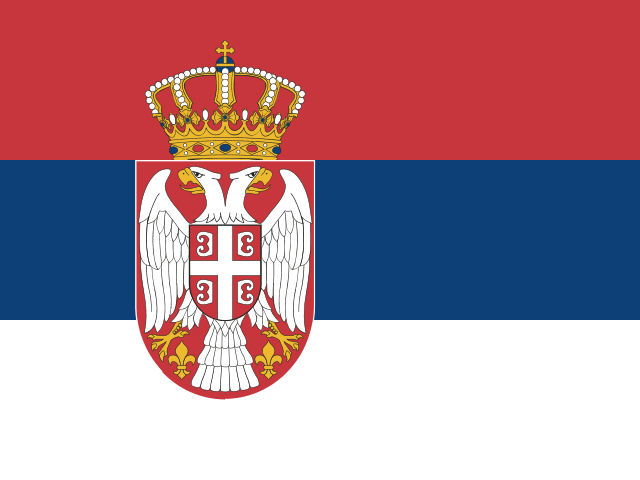 SerbiaBelgrade
Quick check: how well do you know Kosovo?
3 questions, no sign-up. Tap an answer.
1. Which flag belongs to Kosovo?
That's the flag of Kosovo.
2. What is the capital of Kosovo?
The capital of Kosovo is Pristina.
3. Which of these countries borders Kosovo?
Albania, Montenegro, North Macedonia and Serbia border Kosovo.
Keep going on the Europe quiz – Kosovo is one of 46 countries there.
More ways to practise: find Kosovo on the blank map with no borders (hard mode), or play today's Globe and the other daily puzzles.
Frequently asked questions about Kosovo
What language is spoken in Kosovo?
Albanian and Serbian are both official languages. Albanian is spoken by the large majority, while Serbian is used mainly by the Serb community in the north and in enclaves. Turkish, Bosnian and Romani have official status in some municipalities.
What currency does Kosovo use?
Kosovo uses the euro (EUR), even though it is not in the EU or the eurozone and cannot issue its own euro coins. It adopted the Deutsche Mark in 1999 and switched to the euro in 2002 along with Germany. In Serb-majority areas the Serbian dinar was long used too.
What time zone is Kosovo in?
Kosovo uses Central European Time, UTC+1, in winter and Central European Summer Time, UTC+2, in summer, like its neighbours Serbia, Albania, North Macedonia and Montenegro. Clocks change on the last Sundays of March and October.
Which side of the road do they drive on in Kosovo?
Kosovo drives on the right, like the rest of continental Europe. Motorways link Pristina with the Albanian port of Durrës and with Skopje in North Macedonia, making travel times much shorter than in the past.
What is the highest point in Kosovo?
The highest point is Gjeravica, about 2,656 metres, in the Accursed Mountains (Prokletije) near the border with Albania and Montenegro. A small glacial lake lies below its summit.
Is Kosovo a country?
Kosovo declared independence from Serbia in 2008. It is recognised by many states, including most EU members and the United States, but not by Serbia, Russia, China and several others, and it is not a UN member, so its status remains disputed.
Quizzes with Kosovo
Often confused with
Guides that help with this
- All 46 European capitals, with a memory trick for eachCapitals grouped by region, with hooks for the ones people forget.
- Flags that look alike (and how to tell them apart)Chad or Romania? Australia or New Zealand? The flag pairs that cost quiz points.
- The 25 hardest countries to find on a mapPacific islands, Caribbean islands and landlocked Africa – where they are.