Syria
Capital: Damascus. Syria is one of the 48 countries in the Asia quiz.
Quick answers: What is the capital of Syria? · Which countries border Syria?
Facts about Syria
- CapitalDamascus
- Population25.6 million
- Area185,180 km²
- RegionsAsia, Middle East
- LanguageArabic
- CurrencySyrian pound (SYP)
Syria is the 22nd most populous of the 48 countries in Asia and the 24th largest by area. Worldwide it ranks 57th by population and 87th by area.
Where is Syria?
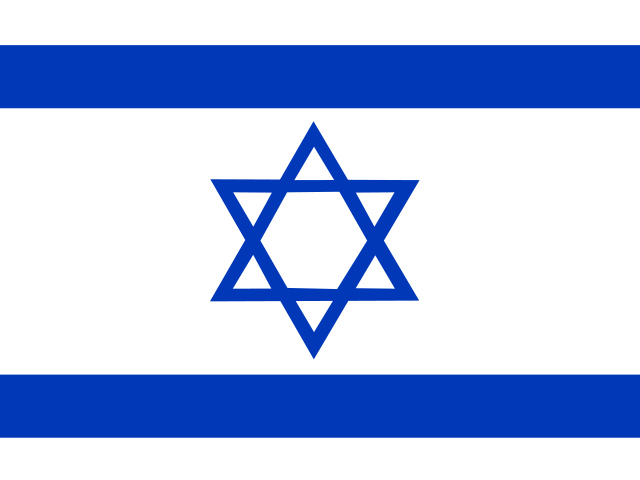
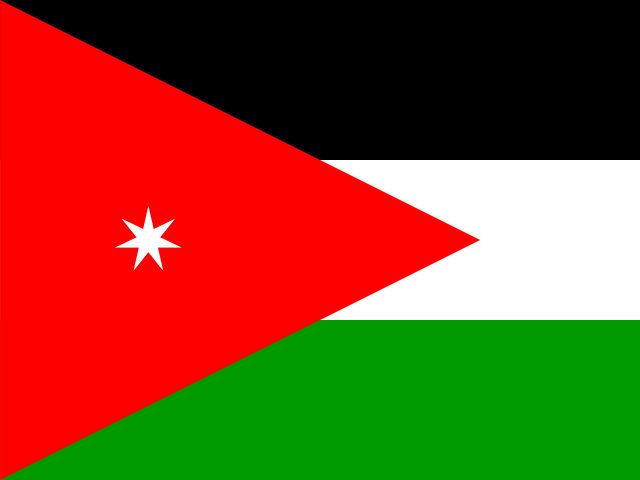
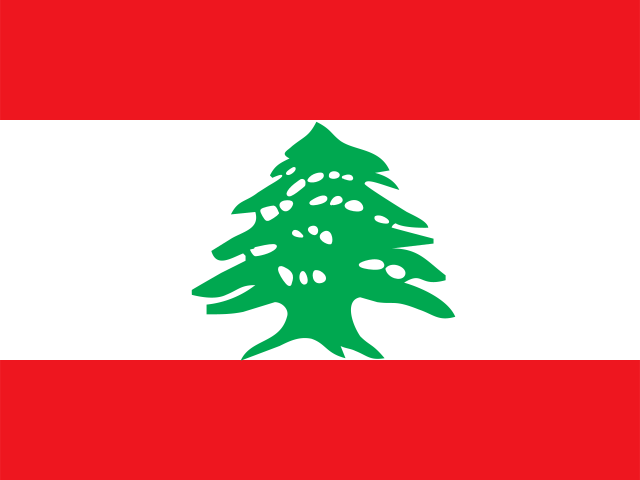
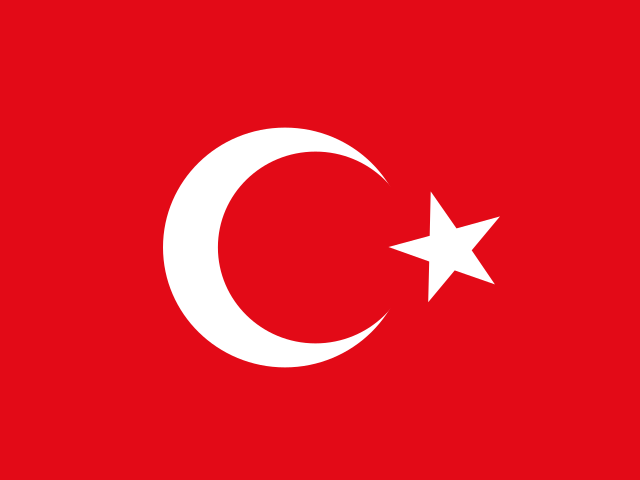
Syria is in the Middle East, at the eastern end of the Mediterranean Sea. It borders Turkey to the north, Iraq to the east, Jordan to the south, Israel to the south-west and Lebanon to the west. Its short Mediterranean coastline runs between Turkey and Lebanon. The capital, Damascus, is in the south-west near the Lebanese border; Aleppo, the other major city, is in the north near Turkey.
The country is mostly desert plateau in the east, with the Euphrates River crossing it from Turkey into Iraq, and greener hills along the coast and in the west.
How to find Syria on the map
- Start from Turkey. Syria is directly south of Turkey's long southern border, where the Mediterranean turns a corner.
- Look for the eastern corner of the Mediterranean. Syria sits just inland from that corner, with Lebanon as a thin sliver between it and most of the sea.
- Find the Euphrates. The river enters Syria from Turkey and exits into Iraq; Syria is the country it crosses in between.
- Don't confuse it with Iraq, the larger country to the east, or with Jordan to the south, which is smaller and mostly desert.
Flag
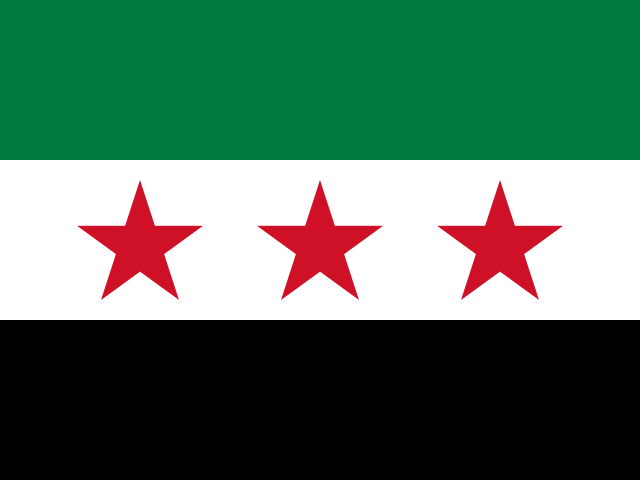
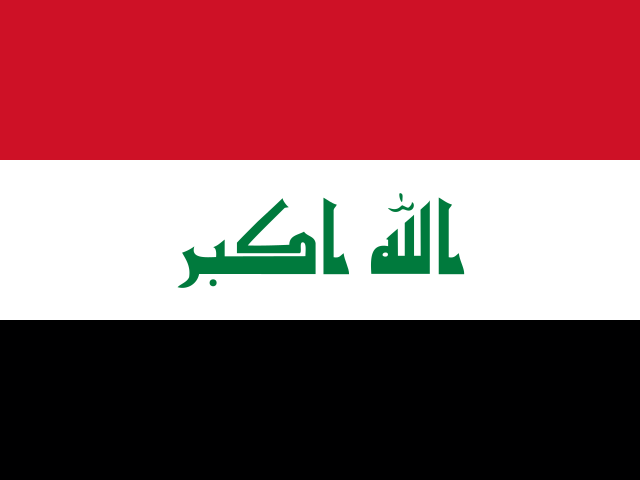
Syria's flag is a horizontal tricolour of red, white and black with two green five-pointed stars on the white band. The colours are the pan-Arab set. The same red-white-black layout is used by Egypt (with a golden eagle in the centre), Iraq (with green Arabic script) and Yemen (plain).
The two green stars are the distinguishing feature. Following the change of government in late 2024, the opposition's green-white-black flag with three red stars has been adopted; quiz sites may show either version, so learn both.
A short history of Syria
Syria lies on the crossroads between Mesopotamia, Anatolia and Egypt, and some of the world's earliest cities grew here. At Ebla, archaeologists found thousands of clay tablets from the third millennium BC, and the port of Ugarit on the coast produced one of the earliest known alphabets. Aramaeans, Assyrians, Persians and the Greek Seleucid kings ruled in turn before Rome took the region in 64 BC. In the 3rd century AD Queen Zenobia of Palmyra rebelled against Rome and briefly ruled an empire stretching to Egypt.
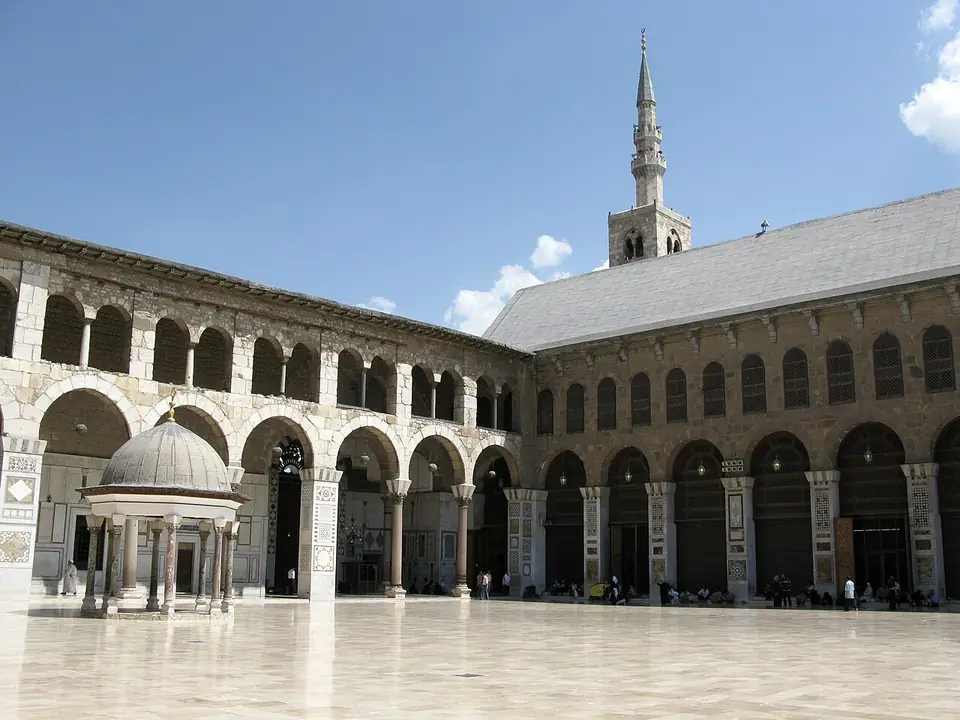
Christianity spread early; the Bible places Paul's conversion on the road to Damascus. In the 630s Arab Muslim armies took Syria, and from 661 to 750 Damascus was the capital of the Umayyad Caliphate, which stretched from Spain to Central Asia. Its Great Mosque still stands in the old city. Power later shifted to Baghdad. Crusaders, Saladin – who is buried in Damascus – the Mamluks and the Mongols followed, and in 1516 the Ottomans took control for four centuries.
After the First World War, an Arab kingdom was declared in Damascus in 1920 but quickly crushed by France, which received Syria under a League of Nations mandate. France carved out Lebanon as a separate state, which explains Syria's short coastline, and in 1939 transferred the province of Hatay, around Antakya, to Turkey – a move Syria long refused to recognise. Syria became independent in 1946.
Coups followed one after another, and from 1958 to 1961 Syria merged with Egypt in the United Arab Republic. The Ba'ath Party seized power in 1963, and Hafez al-Assad ruled from 1970 until his son Bashar succeeded him in 2000. Israel captured the Golan Heights in 1967 and later annexed them; most of the world regards them as occupied Syrian territory, while Israel considers them part of its territory. Protests in 2011 turned into a civil war that killed hundreds of thousands and drove millions abroad. The Assad government collapsed in December 2024.
Syria now faces the huge task of rebuilding its cities, economy and institutions after more than a decade of war.
Culture and daily life in Syria
Arabic is the national language, but older voices survive. In the mountain village of Maaloula, people still speak a form of Aramaic, the language of Jesus. Kurdish, Armenian and Syriac are spoken by other communities. Most Syrians are Sunni Muslims, alongside Alawites, Druze, Ismailis and Christians of many churches – a mix that grew from centuries as a trading crossroads.
Aleppo is famous for its music, especially muwashshahat, sung poems from Andalusian tradition, and the singer Sabah Fakhri made Aleppan song known across the Arab world. Nizar Qabbani, born in Damascus, became one of the most-loved Arab poets of the 20th century. In Damascus coffee houses, the hakawati, a traditional storyteller, once read epic tales aloud each evening.
Syrian crafts gave English some words: damask fabric is named after Damascus, and the city was known for its patterned steel blades. Aleppo soap, made from olive and laurel oil, is still sold worldwide. Old covered markets such as the Souq al-Hamidiyah in Damascus remain at the heart of city life.
Five facts worth knowing
- Damascus is often cited as one of the oldest continuously inhabited cities in the world, with settlement going back thousands of years.
- The Euphrates is the longest river in Syria, and the Tabqa Dam on it created Lake Assad, the country's largest reservoir.
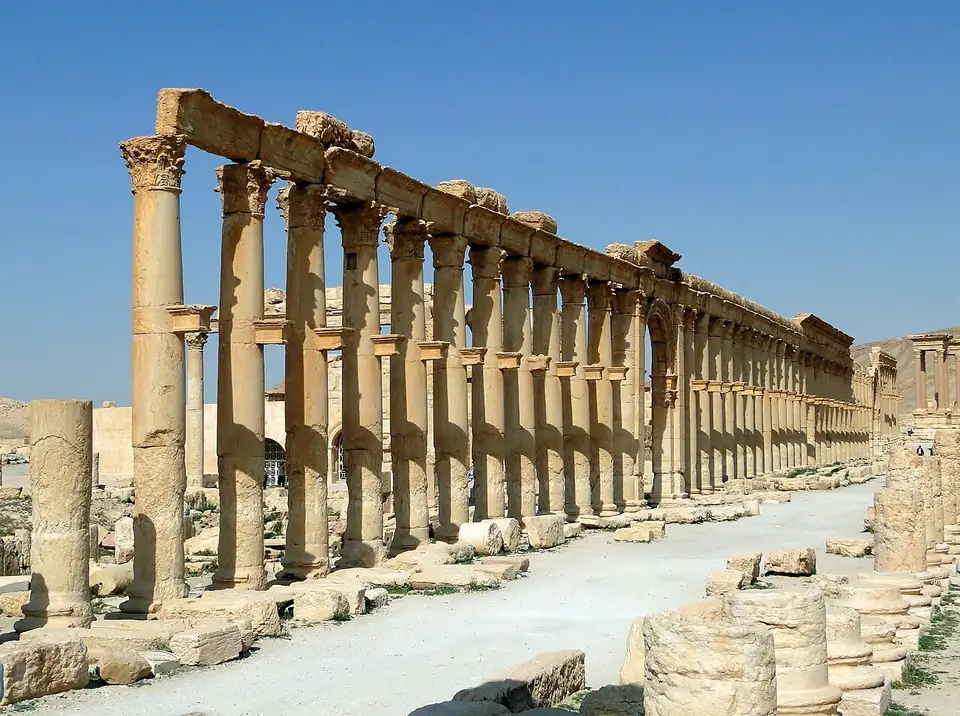
- Palmyra, in the desert east of Homs, was a major Roman-era trading city, and its ruins are a UNESCO World Heritage Site.
- Krak des Chevaliers is one of the best-preserved Crusader castles in the world, standing on a hill in the west of the country.
- Syria's name comes from ancient Greek, which used it for the whole region of the Levant.
Culture and traditions in Syria
- Saying hello
"Marhaba" or "As-salamu alaykum", with a handshake, often with the right hand placed on the heart.
- Food and drink
Kibbeh, fried or baked bulgur and meat croquettes; fattoush salad; muhammara, a red pepper and walnut dip.
- Festivals and traditions
Eid al-Fitr and Eid al-Adha bring families together with sweets such as maamoul, date-filled cookies.
- Everyday life
Hospitality is central: guests are offered coffee or tea immediately and often encouraged to eat more than once.
- Did you know?
Damascus is often called one of the oldest continuously inhabited cities in the world.
Common mistakes
- Tapping Iraq, its larger eastern neighbour.
- Tapping Lebanon, the thin country between Syria and the Mediterranean.
- Picking Egypt's, Iraq's or Yemen's flag in the Flags quiz – count the green stars.
Practise with Syria
- Middle East quiz – the regional zoom separates Syria, Lebanon, Jordan and Iraq cleanly.
- Asia quiz – find Turkey, then tap the country directly south of its middle section.
- Asia flags – the pan-Arab red-white-black group: Syria, Egypt, Iraq, Yemen.
- Asia capitals quiz – Damascus.
- Mystery Country – a roughly trapezoid outline with a short coastline at the top-left and a long straight border against Iraq.
Nearby countries
Quick check: how well do you know Syria?
3 questions, no sign-up. Tap an answer.
1. Which flag belongs to Syria?
That's the flag of Syria.
2. What is the capital of Syria?
The capital of Syria is Damascus.
3. Which of these countries borders Syria?
Iraq, Israel, Jordan, Lebanon and Turkey border Syria.
Keep going on the Asia quiz – Syria is one of 48 countries there.
More ways to practise: find Syria on the blank map with no borders (hard mode), or play today's Globe and the other daily puzzles.
Frequently asked questions about Syria
What language is spoken in Syria?
Arabic is the official language, and Levantine Syrian Arabic is the everyday speech. Kurdish is widely spoken in the north-east, and smaller communities speak Armenian, Turkmen, Circassian and Aramaic, the last surviving in villages such as Maaloula.
What currency does Syria use?
Syria uses the Syrian pound (SYP), also called the lira. Its value has fallen enormously since 2011, so large banknotes are needed for everyday purchases. It is not pegged to any other currency.
What time zone is Syria in?
Syria has been on UTC+3 all year since 2022, when it dropped seasonal clock changes and stayed on what had been its summer time. It no longer uses daylight saving time.
Which side of the road do they drive on in Syria?
Syria drives on the right, like all its neighbours. The main highway runs north–south through Damascus, Homs and Hama to Aleppo, following the old caravan routes along the edge of the desert.
What is the highest point in Syria?
The highest point is Mount Hermon, at about 2,810 metres, on the border with Lebanon in the south-west. Its summit is often snow-covered into early summer, and its springs feed the Jordan River.
What is Syria famous for?
Syria is famous for some of the world's oldest cities, including Damascus and Aleppo, and for ancient sites such as the desert city of Palmyra and the crusader castle Krak des Chevaliers. Aleppo soap, made with olive and laurel oil, is known worldwide.
Quizzes with Syria
Often confused with
Guides that help with this
- Oceans, seas, rivers and mountainsThe physical map: seas around each continent, the big rivers and ranges.
- Flags that look alike (and how to tell them apart)Chad or Romania? Australia or New Zealand? The flag pairs that cost quiz points.
- The 25 hardest countries to find on a mapPacific islands, Caribbean islands and landlocked Africa – where they are.