Israel
Capital: Jerusalem. Israel is one of the 48 countries in the Asia quiz.
Quick answers: What is the capital of Israel? · Which countries border Israel?
Facts about Israel
- CapitalJerusalem
- Population10.1 million
- Area20,770 km²
- RegionsAsia, Middle East
- LanguagesHebrew, Arabic
- CurrencyIsraeli new shekel (ILS)
Israel is the 31st most populous of the 48 countries in Asia and the 39th largest by area. Worldwide it ranks 96th by population and 150th by area.
Where is Israel?
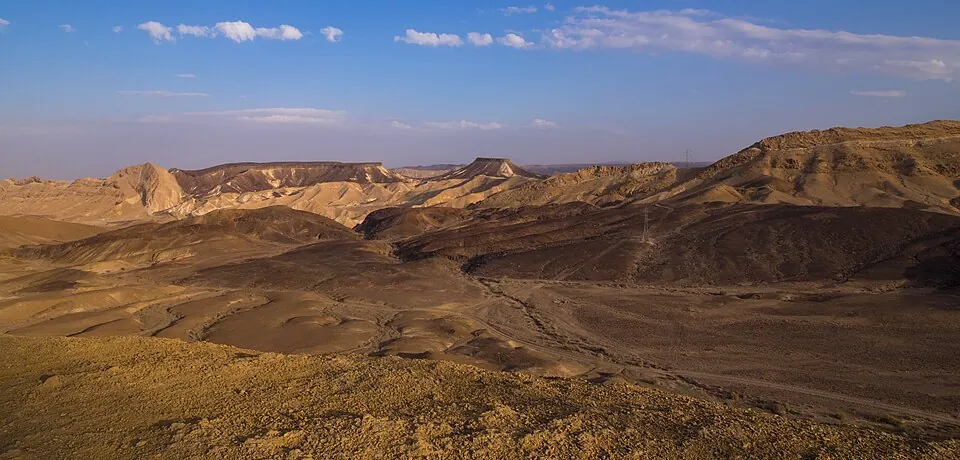
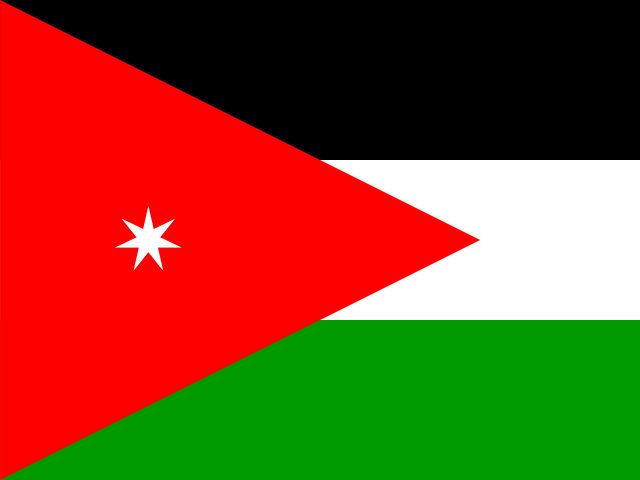
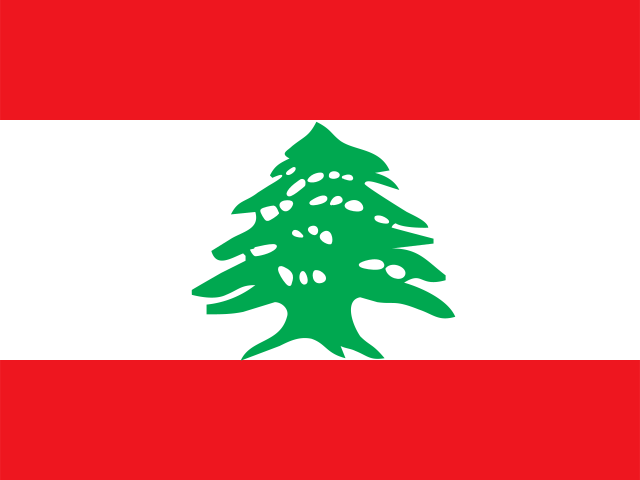
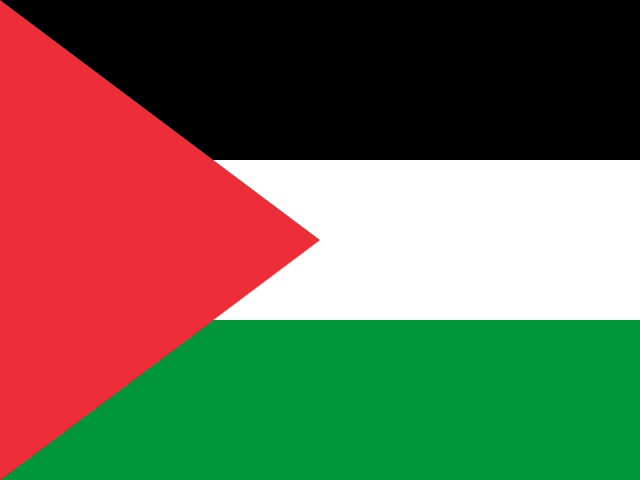
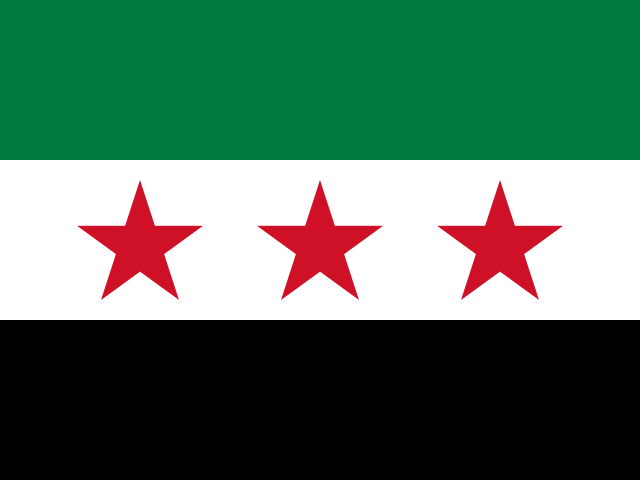
Israel is a small country at the eastern end of the Mediterranean Sea, where Asia meets Africa. Lebanon lies to the north, Syria to the north-east, Jordan to the east and Egypt to the south-west, across the Sinai Peninsula. The West Bank and the Gaza Strip, the Palestinian territories, sit along its eastern and south-western edges. A narrow wedge of land runs south to the Gulf of Aqaba, an arm of the Red Sea, where the resort town of Eilat is. Jerusalem is the seat of government, though many countries keep their embassies in Tel Aviv on the coast.
At world-map zoom Israel is a thin strip on the Mediterranean shore between Egypt and Lebanon, tapering to a point in the south.
How to find Israel on the map
- Start from the Mediterranean's eastern corner. Israel is on the coast just above Egypt's Sinai Peninsula.
- Look for the sliver. It is one of the smallest countries in the Middle East, narrow and vertical.
- Find the Dead Sea. The lake on Israel's eastern border with Jordan is the lowest point on the Earth's surface.
- Don't confuse it with Lebanon. Lebanon is the even smaller strip directly north of Israel.
Flag
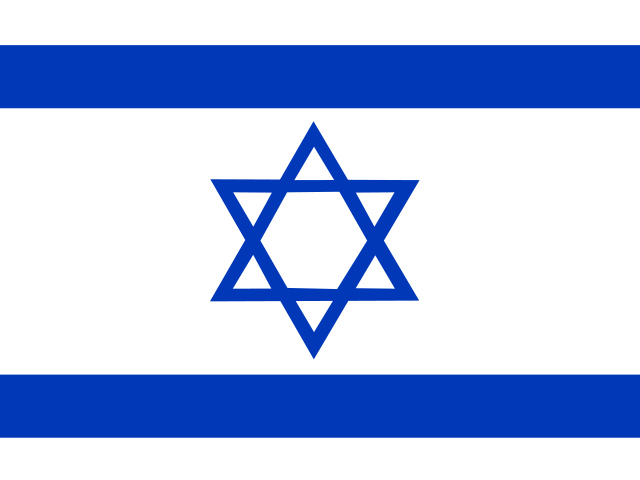
A white field with two horizontal blue stripes near the top and bottom and a blue Star of David in the centre. The design recalls the tallit, the Jewish prayer shawl, and was adopted when the state was founded in 1948.
It is hard to mistake for anything else. Greece and Uruguay use blue and white stripes, but with many stripes and a canton. Only Israel has the six-pointed star between two bands.
A short history of Israel
This narrow strip between the Mediterranean and the Jordan River has been fought over and held sacred for thousands of years. In the ancient land of Canaan, Israelite kingdoms emerged around 1000 BC, with Jerusalem as their centre and its Temple as the heart of Jewish worship. The Assyrians destroyed the northern kingdom in 722 BC, and the Babylonians destroyed the First Temple in 586 BC. Persians, Greeks and Romans followed. After a Jewish revolt, the Romans destroyed the Second Temple in AD 70, and over time most Jews lived in a widening diaspora.
The land passed to the Byzantine Empire, to Arab Muslim rule in the 600s, to the Crusaders, the Mamluks and, from 1517, the Ottoman Empire. Its population became largely Arabic-speaking and mostly Muslim, with Christian and Jewish communities.
In the late 1800s Zionism, a movement for a Jewish homeland, grew in Europe, and Jewish immigration increased. Britain's 1917 Balfour Declaration supported a "national home" for Jews, and Britain governed the territory as Mandatory Palestine from 1920. Tension between Arabs and Jews grew, and after the Holocaust the UN proposed partition in 1947. When the British left in 1948, Israel declared independence and war broke out with its Arab neighbours, a conflict Israelis call the War of Independence. Around 700,000 Palestinians fled or were expelled, an event Palestinians call the Nakba, or catastrophe. The 1949 armistice lines, known as the Green Line, are the borders that still appear on many maps.
In the Six-Day War of 1967 Israel took the West Bank, East Jerusalem, Gaza, the Golan Heights and Sinai. Sinai was returned after a 1979 peace treaty with Egypt, and peace with Jordan followed in 1994. The Oslo Accords of 1993 created the Palestinian Authority, but final-status talks failed. Israel considers Jerusalem its capital, while Palestinians seek East Jerusalem as theirs, and most countries keep embassies in Tel Aviv. The Hamas attack of October 2023 and the war in Gaza that followed caused heavy loss of life and remain deeply contested.
Israel today has an advanced, technology-driven economy, often nicknamed the "start-up nation".
Culture and daily life in Israel
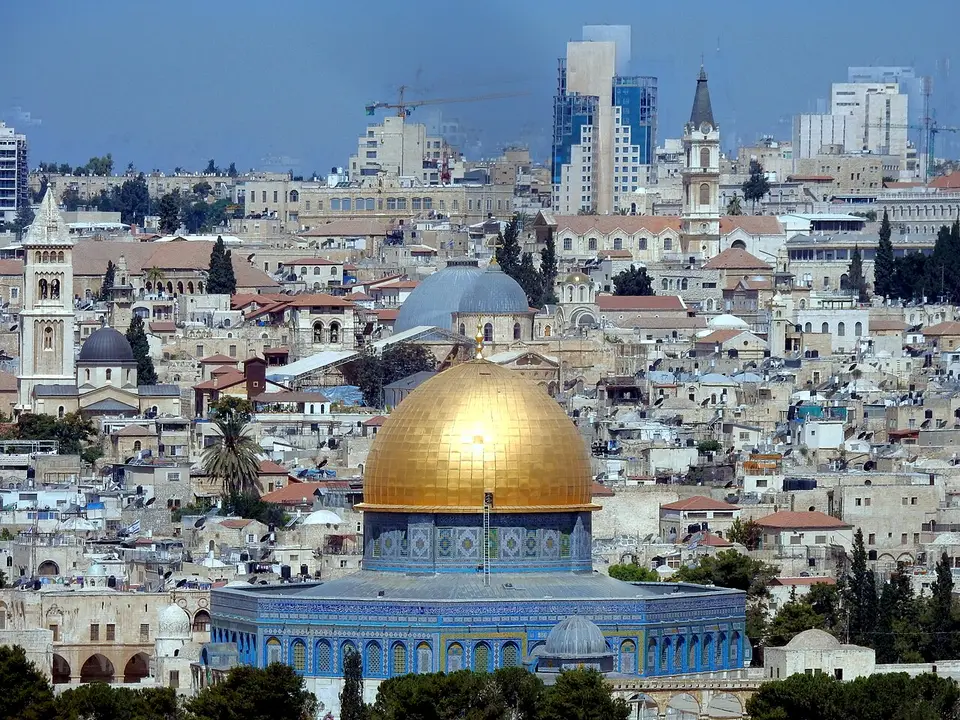
Israel is a country of immigrants. Jews arrived from Europe, the Middle East, North Africa, Ethiopia and the former Soviet Union, each bringing food, music and customs. About a fifth of citizens are Arab, mostly Muslim but also Christian, and Arabic is widely spoken; the Druze form a distinctive community in the north. Jerusalem holds sites sacred to three faiths: the Western Wall, the Dome of the Rock and Al-Aqsa Mosque, and the Church of the Holy Sepulchre.
The kibbutz, a collective farming community, shaped early Israeli society. Tel Aviv's "White City" of 1930s Bauhaus-style buildings is a UNESCO World Heritage site. S.Y. Agnon won the Nobel Prize in Literature in 1966, and novelists Amos Oz and David Grossman are widely translated. Israel has won the Eurovision Song Contest four times, and military service is compulsory for most Jewish and Druze citizens, making it a shared rite of passage. On Fridays, markets such as Jerusalem's Mahane Yehuda fill with shoppers buying challah bread and fresh produce before Shabbat begins.
Five facts worth knowing
- The Dead Sea's shore is over 430 metres below sea level, the lowest land on Earth. Its water is so salty that swimmers float without effort.
- Israel has coast on two seas – the Mediterranean in the west and the Red Sea at Eilat in the south, less than 15 km of shoreline but enough for a port.
- Israel is a world leader in drip irrigation and desalination; more than half its drinking water comes from desalinated seawater.
- Hebrew was revived as a spoken language in the late nineteenth and early twentieth centuries, making it the only ancient language successfully brought back into everyday use.
- Israel declared independence on 14 May 1948. Its status, borders and the Palestinian territories remain the subject of ongoing dispute and conflict.
Culture and traditions in Israel
- Saying hello
"Shalom", meaning peace, used for both hello and goodbye.
- Food and drink
Falafel and hummus in pita; shakshuka, eggs poached in spiced tomato sauce.
- Festivals and traditions
Rosh Hashanah, the Jewish New Year, in September or October; Hanukkah, the festival of lights, in December.
- Everyday life
Shabbat runs from Friday sunset to Saturday evening, when many shops and buses stop. Communication tends to be direct and informal.
- Did you know?
Hebrew was revived as an everyday spoken language in the late 19th and 20th centuries, a rare case of language revival.
Common mistakes
- Tapping Lebanon, the small strip immediately north.
- Tapping Jordan, which is larger and lies inland to the east.
- Forgetting the southern wedge to the Red Sea, so the outline in Mystery Country looks longer than expected.
- Looking for it on the Arabian Peninsula; Israel is on the Mediterranean coast, not the Gulf.
Practise with Israel
- Asia quiz – the thin coastal strip at the far west of the continent.
- Middle East quiz – zoomed in, so Israel, Lebanon, Jordan and Syria are large enough to tell apart.
- Asia flags – the Star of David between two blue stripes.
- Asia capitals quiz – Jerusalem.
- Mystery Country – the tapering strip with the notch of the Dead Sea on its eastern side.
Nearby countries
Quick check: how well do you know Israel?
3 questions, no sign-up. Tap an answer.
1. Which flag belongs to Israel?
That's the flag of Israel.
2. What is the capital of Israel?
The capital of Israel is Jerusalem.
3. Which of these countries borders Israel?
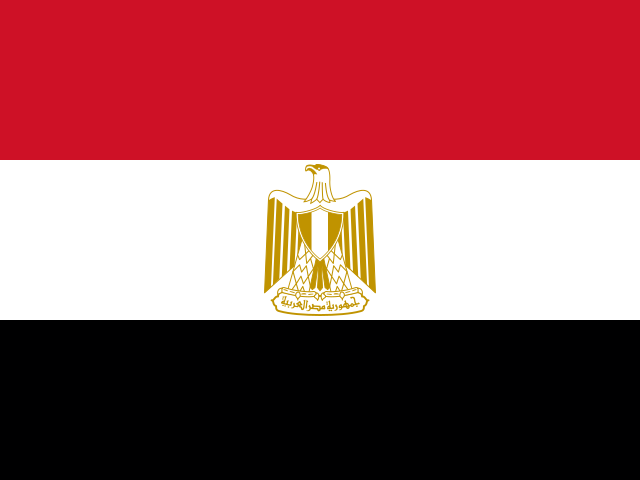
Egypt, Jordan, Lebanon, Palestine and Syria border Israel.
Keep going on the Asia quiz – Israel is one of 48 countries there.
More ways to practise: find Israel on the blank map with no borders (hard mode), or play today's Globe and the other daily puzzles.
Frequently asked questions about Israel
What language is spoken in Israel?
Hebrew is the official language, revived as an everyday spoken tongue in the late 1800s and early 1900s. Arabic, the first language of Arab citizens, has had a "special status" in law since 2018. Russian, English, Amharic and French are also widely heard because of immigration.
What currency does Israel use?
Israel uses the new Israeli shekel (ILS), introduced in 1985 to replace the old shekel after very high inflation. The shekel is divided into 100 agorot, and its symbol is ₪. The currency floats freely against the dollar and euro.
What time zone is Israel in?
Israel uses Israel Standard Time, UTC+2, in winter and Israel Daylight Time, UTC+3, in summer. Daylight saving usually begins on the Friday before the last Sunday of March and ends on the last Sunday of October.
Which side of the road do they drive on in Israel?
Israel drives on the right, like its neighbours, even though the area was under British rule until 1948. Highway 1 links Tel Aviv with Jerusalem, climbing about 800 metres from the coastal plain into the Judean Hills.
What is the highest point in Israel?
Within Israel's internationally recognised borders the highest point is Mount Meron, about 1,208 metres, in Upper Galilee. Mount Hermon, which reaches higher, lies partly in the Golan Heights, which Israel controls but most countries regard as occupied Syrian territory.
What is the Dead Sea?
The Dead Sea is a salt lake on the border between Israel, the West Bank and Jordan. It is about ten times saltier than the ocean, so swimmers float effortlessly, and its water level has been falling by more than a metre a year.
Quizzes with Israel
Often confused with
Guides that help with this
- Oceans, seas, rivers and mountainsThe physical map: seas around each continent, the big rivers and ranges.
- Flags that look alike (and how to tell them apart)Chad or Romania? Australia or New Zealand? The flag pairs that cost quiz points.
- The 25 hardest countries to find on a mapPacific islands, Caribbean islands and landlocked Africa – where they are.