Bulgaria
Capital: Sofia. Bulgaria is one of the 46 countries in the Europe quiz.
Quick answers: What is the capital of Bulgaria? · Which countries border Bulgaria?
Facts about Bulgaria
- CapitalSofia
- Population6.4 million
- Area110,879 km²
- RegionsEurope, The Balkans
- LanguageBulgarian
- CurrencyEuro (EUR)
Bulgaria is the 21st most populous of the 46 countries in Europe and the 15th largest by area. Worldwide it ranks 111th by population and 103rd by area.
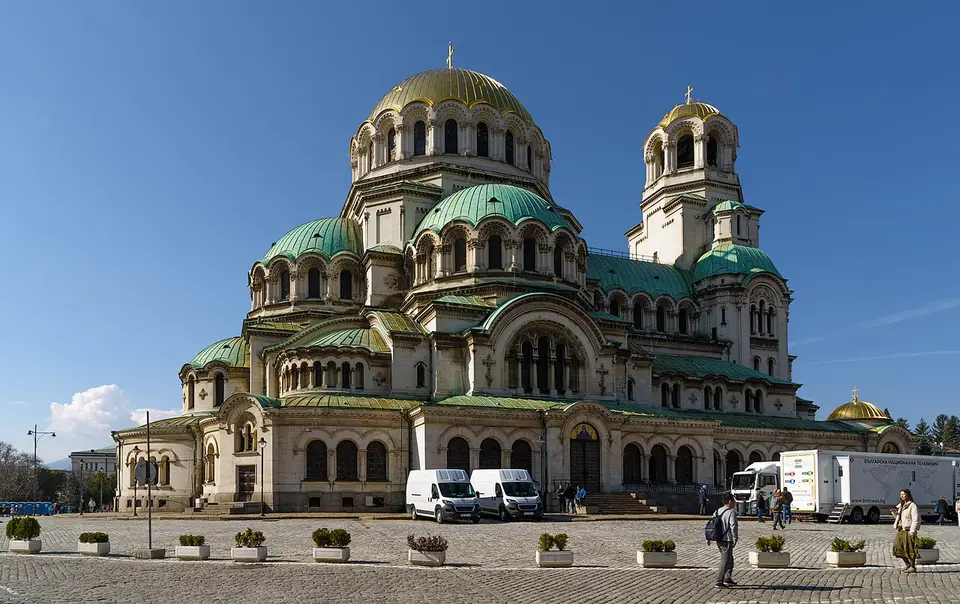
Where is Bulgaria?
Bulgaria is in the eastern Balkans, with a coastline on the Black Sea. Romania lies to the north across the Danube, Serbia and North Macedonia to the west, and Greece and Turkey to the south. The Balkan Mountains run east to west through the middle of the country and give the whole peninsula its name. Sofia, the capital, is in the west, close to Serbia.
On a world map, find the Black Sea's western shore. Bulgaria is the country below Romania and above Greece and European Turkey.
How to find Bulgaria on the map
- Start from Romania. Bulgaria is directly south of Romania, with the Danube marking most of the border.
- Look at the Black Sea. Bulgaria has the western coastline between Romania and Turkey.
- It's above Greece. Greece's northern border runs along Bulgaria's southern edge.
- Don't confuse it with Romania. Romania is bigger and sits north of the Danube; Bulgaria is the one south of the river.
Flag
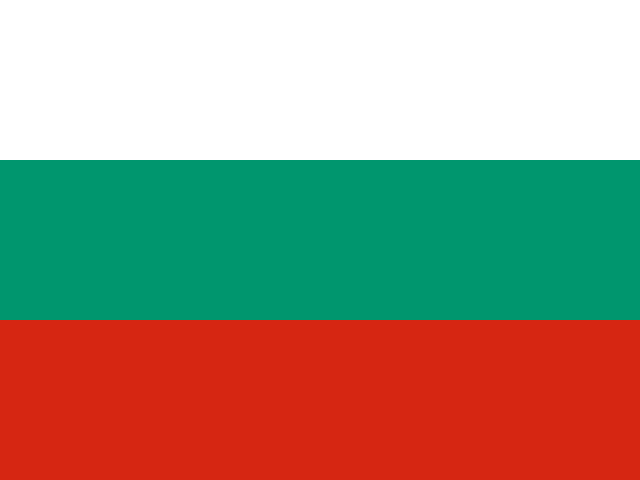
Bulgaria's flag is a horizontal tricolour of white, green and red. White stands for peace, green for the fertility of the land and red for courage. It is based on the Russian white-blue-red tricolour with blue swapped for green.
In the Flags quiz, Hungary is the trap: red, white, green with red on top. Bulgaria has white on top. Iran uses green-white-red with an emblem. White top stripe, no emblem – that's Bulgaria.
A short history of Bulgaria
Long before the Bulgarians arrived, this land belonged to the Thracians, famous for their horsemen and their gold. The Varna Necropolis on the Black Sea coast holds gold objects more than 6,000 years old, among the oldest worked gold ever found. Later the region came under Rome and then Byzantium.
In the 600s a Turkic people, the Bulgars, crossed the Danube under Khan Asparuh and joined with Slavs already living there. Over time they merged into one Slavic-speaking nation. Under Boris I the state became Christian in 864, and under his son Simeon the Great the First Bulgarian Empire stretched across much of the Balkans and became a centre of Slavic learning. Byzantium conquered it in 1018, but a Second Bulgarian Empire rose in 1185, with its capital at Veliko Tarnovo.
The Ottoman Turks took Tarnovo in 1393, and Bulgaria spent nearly five centuries under Ottoman rule. In the 1800s a "national revival" brought Bulgarian schools, a separate Bulgarian church and growing calls for freedom. The April Uprising of 1876 was crushed with great brutality, which shocked Europe and helped spark a Russian–Turkish war. Russia's victory in 1878 restored a Bulgarian state, and full independence was declared in 1908.
The early 20th century went badly. Bulgaria fought the Balkan Wars and then chose the losing side in both world wars. It is remembered, however, for one remarkable act: in 1943 politicians, church leaders and ordinary citizens protested so strongly that the deportation of Bulgaria's own Jews was stopped. After 1944 the Soviet Red Army arrived and Bulgaria became one of Moscow's closest allies, ruled for decades by Todor Zhivkov.
Communist rule ended in 1989. The 1990s were hard, with poverty and many young people leaving, but the country steadily moved towards the West. Today Bulgaria is a member of the EU and NATO, with growing IT and tourism sectors along its coast and in its ski resorts.
Culture and daily life in Bulgaria
Bulgarian is a South Slavic language, and Bulgarians are proud that Cyrillic letters took shape on their soil. Every 24 May they celebrate the Day of Bulgarian Culture and the Slavonic Alphabet, honouring the brothers Cyril and Methodius. Most people belong to the Bulgarian Orthodox Church, and a Turkish-speaking Muslim minority lives mainly in the south and north-east, a legacy of Ottoman times.
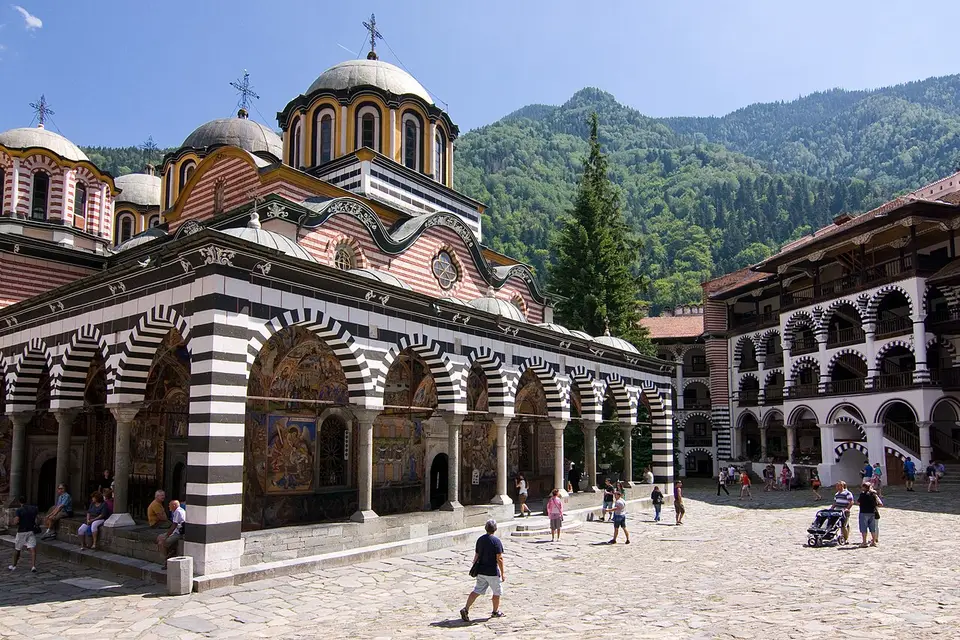
The Rila Monastery, hidden in the mountains south of Sofia, is the country's most famous religious site and a UNESCO landmark. Bulgarian folk music is known for complex, uneven rhythms and close, piercing harmonies; the recordings released as Le Mystère des Voix Bulgares, sung by a Bulgarian state radio and television choir, made this sound famous worldwide. Traditional dances, called horo, are danced in a linked chain at weddings and village fairs.
In winter, masked dancers called kukeri wear huge fur costumes and heavy bells to drive away evil spirits. Bulgaria has strong sporting traditions in wrestling, weightlifting and rhythmic gymnastics, and footballer Hristo Stoichkov led the team to the World Cup semi-finals in 1994.
Five facts worth knowing
- Bulgaria is the oldest country in Europe that has kept its original name, founded in 681 AD.
- The Cyrillic alphabet was developed in the First Bulgarian Empire in the 9th and 10th centuries and spread from there to Russia and other Slavic countries.
- Bulgaria produces a large share of the world's rose oil, from the Rose Valley around Kazanlak.
- Bulgaria joined NATO in 2004 and the European Union in 2007, became a full Schengen member in 2025 and adopted the euro in 2026.
- Bulgarians traditionally nod to mean "no" and shake their heads to mean "yes" – the reverse of most of Europe.
Culture and traditions in Bulgaria
- Saying hello
"Zdravei" with a handshake.
- Food and drink
Banitsa (cheese pastry) and shopska salad, plus famously thick Bulgarian yogurt.
- Festivals and traditions
Baba Marta on 1 March, when people exchange red-and-white martenitsa bracelets; the Rose Festival in Kazanlak in June.
- Everyday life
A nod of the head often means no and a shake means yes, which can confuse visitors.
- Did you know?
The Rose Valley near Kazanlak is one of the world's main producers of rose oil used in perfume.
Common mistakes
- Tapping Romania – the neighbour on the other side of the Danube.
- Tapping Hungary's flag in the Flags quiz because the colours match.
- Tapping Serbia or North Macedonia, the landlocked neighbours to the west.
Practise with Bulgaria
- Balkans quiz – the eastern Balkan country on the Black Sea.
- Europe quiz – between Romania and Greece.
- Europe flags – white, green, red; don't pick Hungary.
- Europe capitals quiz – Sofia.
- Mystery Country – a wide, rectangular outline with a straight northern river border and a wavy eastern coast.
Nearby countries
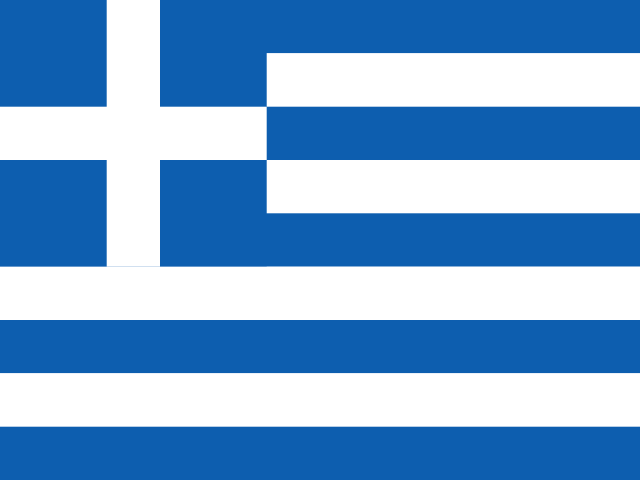 GreeceAthens
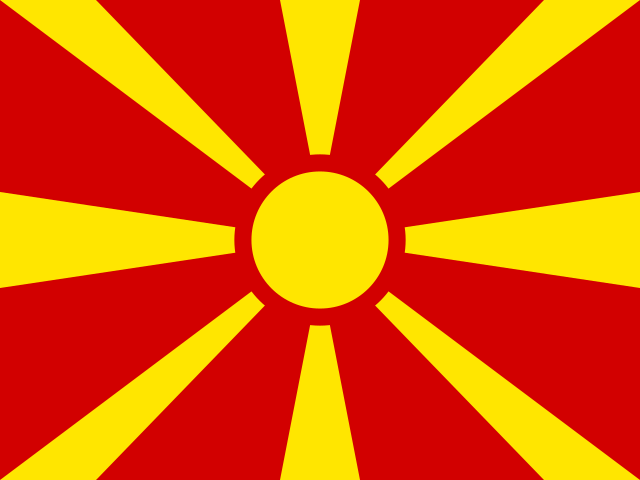 North MacedoniaSkopje
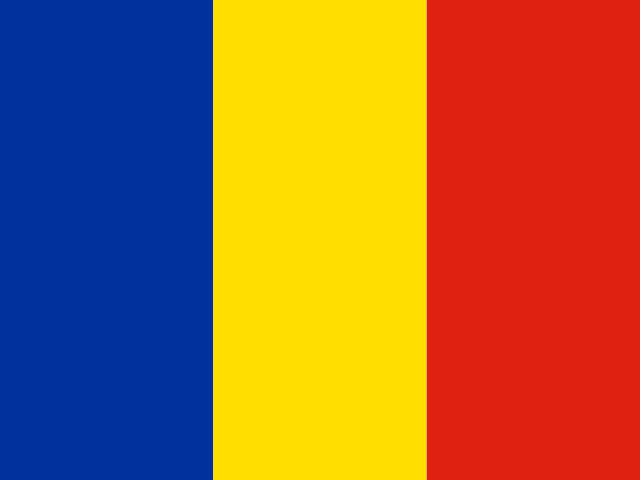 RomaniaBucharest
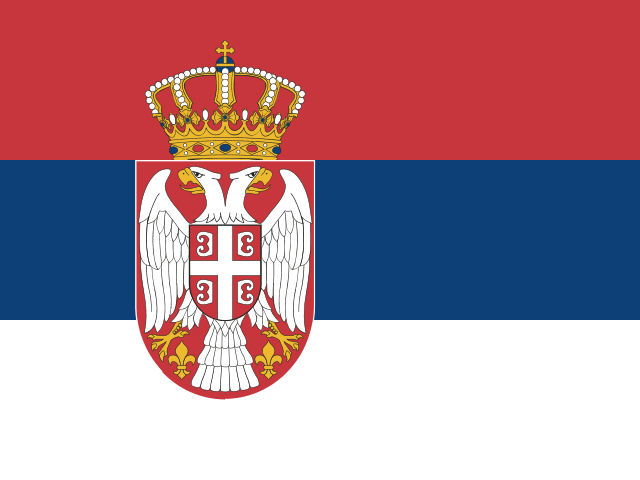 SerbiaBelgrade
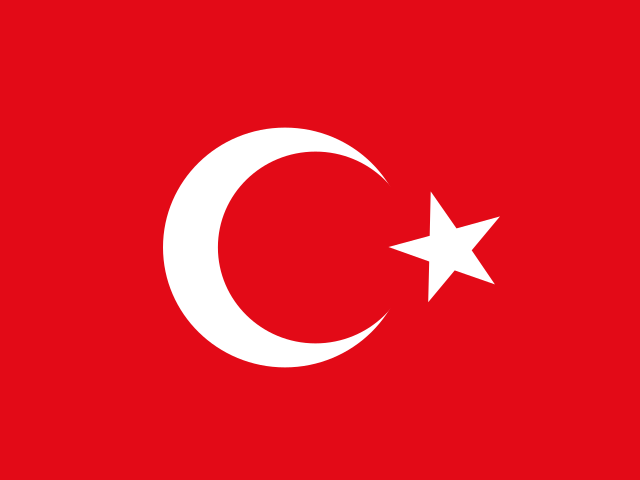 TurkeyAnkara
Quick check: how well do you know Bulgaria?
3 questions, no sign-up. Tap an answer.
1. Which flag belongs to Bulgaria?
That's the flag of Bulgaria.
2. What is the capital of Bulgaria?
The capital of Bulgaria is Sofia.
3. Which of these countries borders Bulgaria?
Greece, North Macedonia, Romania, Serbia and Turkey border Bulgaria.
Keep going on the Europe quiz – Bulgaria is one of 46 countries there.
More ways to practise: find Bulgaria on the blank map with no borders (hard mode), or play today's Globe and the other daily puzzles.
Frequently asked questions about Bulgaria
What language is spoken in Bulgaria?
Bulgarian is the official language, a South Slavic language written in the Cyrillic alphabet. Turkish is spoken by the Turkish minority, mainly in the north-east and south, and Romani is spoken by Roma communities.
What currency does Bulgaria use?
Bulgaria uses the euro (EUR), which it adopted on 1 January 2026. Before that its currency was the lev, which had been pegged first to the German mark and then to the euro since 1997, making the switch relatively smooth.
What time zone is Bulgaria in?
Bulgaria uses Eastern European Time, UTC+2, and moves to UTC+3 for daylight saving time in summer, the same as Greece and Romania. It is one hour ahead of most of western and central Europe, including neighbouring Serbia and North Macedonia.
Which side of the road do they drive on in Bulgaria?
Bulgarians drive on the right. The Shipka Pass, one of the main road routes across the Balkan Mountains, was the scene of a famous battle in the Russo-Turkish War of 1877–78.
What is the highest point in Bulgaria?
The highest point is Musala, about 2,925 metres, in the Rila Mountains south of Sofia. It is the highest peak in the whole Balkan Peninsula, a little higher than Mount Olympus in Greece.
What is Bulgaria famous for?
Bulgaria is famous for its yoghurt. The bacterium Lactobacillus bulgaricus, used to make yoghurt worldwide, was identified by the Bulgarian scientist Stamen Grigorov in 1905 and is named after the country. Bulgaria is also known for rose oil and Black Sea resorts.
Quizzes with Bulgaria
Often confused with
Guides that help with this
- All 46 European capitals, with a memory trick for eachCapitals grouped by region, with hooks for the ones people forget.
- Flags that look alike (and how to tell them apart)Chad or Romania? Australia or New Zealand? The flag pairs that cost quiz points.
- The 25 hardest countries to find on a mapPacific islands, Caribbean islands and landlocked Africa – where they are.