Slovenia
Capital: Ljubljana. Slovenia is one of the 46 countries in the Europe quiz.
Quick answers: What is the capital of Slovenia? · Which countries border Slovenia?
Facts about Slovenia
- CapitalLjubljana
- Population2.1 million
- Area20,273 km²
- RegionsEurope, The Balkans, Central & Eastern Europe
- LanguageSlovene
- CurrencyEuro (EUR)
Slovenia is the 32nd most populous of the 46 countries in Europe and the 36th largest by area. Worldwide it ranks 147th by population and 151st by area.
Where is Slovenia?
Slovenia is a small country in Central Europe where the Alps, the Adriatic and the Balkans meet. It borders Austria to the north, Hungary to the north-east, Croatia to the south and east, and Italy to the west. It has a short stretch of Adriatic coastline – around 47 kilometres – near the town of Koper, just south of the Italian city of Trieste.
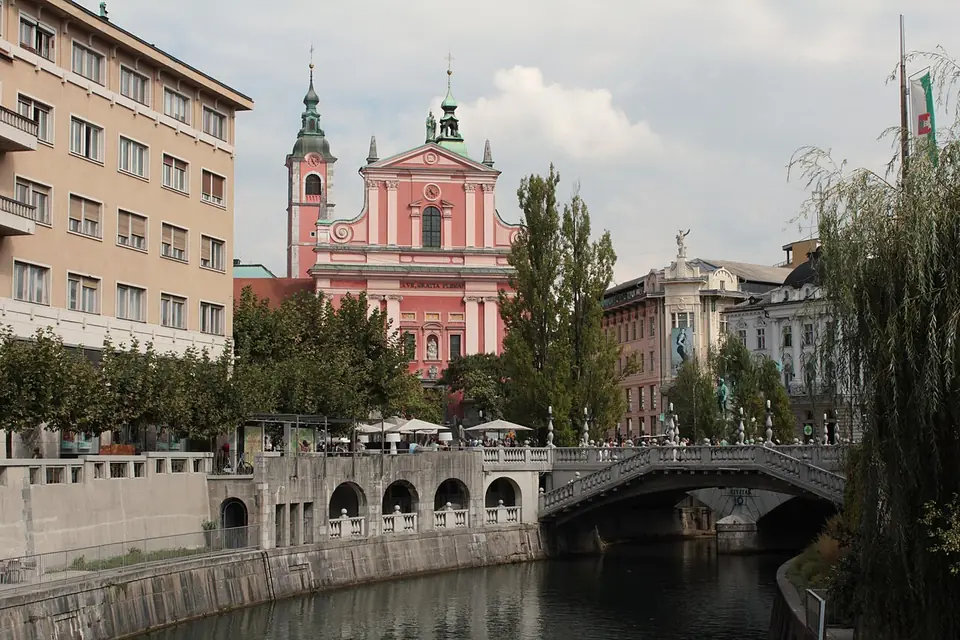
The capital, Ljubljana, is in the centre of the country. Slovenia is about 20,000 square kilometres, a little smaller than Wales, and more than half of it is forested.
How to find Slovenia on the map
- Start from the top of the Adriatic. The sea ends in a narrow point near Venice and Trieste. Slovenia is the country immediately east of that point.
- Look for the first former Yugoslav republic. Coming from Italy or Austria, Slovenia is the first country you reach before Croatia.
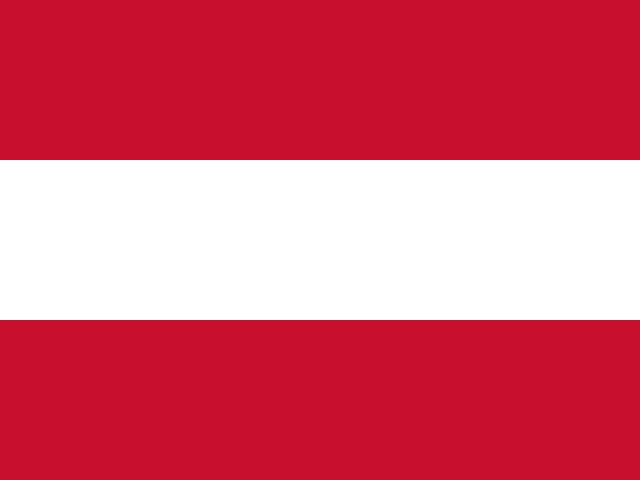
- It is between Austria and Croatia. If you can find Austria, Slovenia is the small country tucked beneath its south-eastern corner.
- Don't confuse it with Slovakia. Slovakia is far to the north-east, between Poland and Hungary, with no coast. Slovenia touches Italy and the sea.
Flag
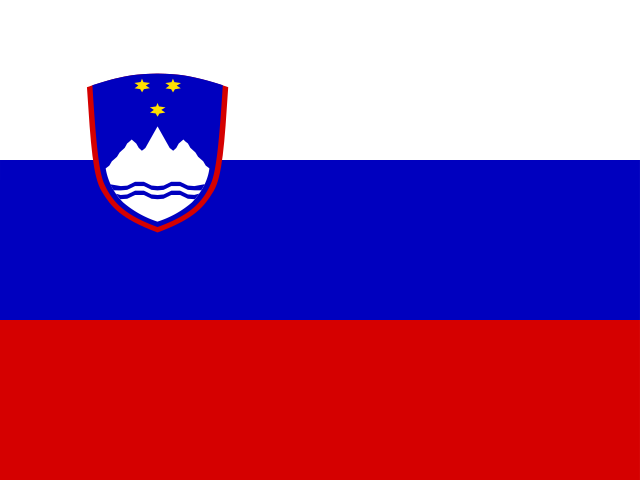
Slovenia's flag is a horizontal tricolour of white, blue and red with the national coat of arms in the upper hoist. The arms show Mount Triglav in white on a blue shield, with two wavy lines beneath it for the sea and rivers and three gold stars above.
The same colour order appears on the flags of Russia and Slovakia. Slovakia's arms are a double cross on three hills; Slovenia's are a three-peaked mountain with stars. If you can see the mountain, it's Slovenia.
A short history of Slovenia
The ancestors of the Slovenes moved into the eastern Alps in the 500s and 600s. In the 600s they founded Carantania, a Slavic principality centred in what is now southern Austria, and its dukes were installed in a ceremony held in the Slovene language on a stone throne. In the 700s Carantania came under Bavarian and then Frankish rule and was converted to Christianity. The Freising Manuscripts, written around 1000, are the oldest surviving texts in Slovene.
For most of the next thousand years, Slovene lands were ruled by German-speaking nobles and then, from the late 1200s, by the Habsburgs. The country was divided into provinces such as Carniola, Styria and Carinthia, and German and Italian dominated the towns. The Reformation in the 1500s brought an important change: the Protestant preacher Primož Trubar printed the first books in Slovene in 1550, and soon afterwards Jurij Dalmatin translated the whole Bible. Although the Habsburgs later restored Catholicism, the written language survived.
Napoleon briefly made Ljubljana the capital of the Illyrian Provinces from 1809 to 1813, and Slovene was used in schools for the first time. In the 1800s a national awakening grew around poets and scholars. After the First World War, when the Habsburg empire collapsed, most Slovenes joined the new Kingdom of Serbs, Croats and Slovenes, later Yugoslavia. Large Slovene communities were left in Italy and Austria, around Trieste and in southern Carinthia, where they still live today. During the Second World War Slovenia was divided between Germany, Italy and Hungary, and a partisan resistance fought the occupiers.
In communist Yugoslavia, Slovenia was the richest and most Western-looking republic. In the late 1980s a lively youth and protest movement pushed for democracy, and in 1990 a referendum showed overwhelming support for independence. After the brief war of 1991, Slovenia was recognised internationally in 1992.
Today Slovenia is a prosperous member of the EU and NATO, with strong exports of cars, appliances and pharmaceuticals, and a reputation as one of Europe's greenest countries.
Culture and daily life in Slovenia
For a nation of about two million, Slovenia guards its language with pride. Slovene is one of the few languages to keep the dual, a special grammatical form for talking about exactly two of something. Dialects vary so much between valleys that people from different regions can struggle to understand each other. Most Slovenes are Roman Catholic by tradition, though many are not religious.
The national poet, France Prešeren, wrote in the early 1800s, and a verse of his poem "A Toast" is now the national anthem. Prešeren Day, 8 February, marks the anniversary of his death and is a public holiday dedicated to culture. The architect Jože Plečnik reshaped Ljubljana in the 1900s with bridges, markets and the National Library, and his works were listed by UNESCO in 2021.
Slovenes love sport, especially in the mountains. Ski jumping at Planica draws huge crowds, and the country has produced stars far beyond its size, including basketball player Luka Dončić and cyclists Tadej Pogačar and Primož Roglič. The Lipizzaner horse breed takes its name from Lipica, a stud farm near the Italian border.
Five facts worth knowing
- Slovenia was the first republic to leave Yugoslavia, declaring independence in June 1991 after a ten-day war.
- Mount Triglav, at 2,864 metres, is the highest peak in Slovenia and appears on both the flag and the coat of arms.
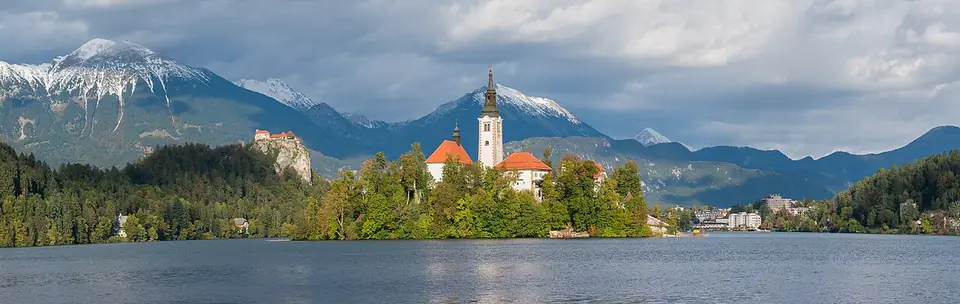
- Lake Bled, with its island church and clifftop castle, is the country's most photographed spot.
- Postojna Cave is one of the largest show caves in Europe, and its most famous resident is the olm, a blind cave salamander.
- Slovenia joined the EU in 2004 and the euro in 2007, the first of the former Yugoslav states to do either.
Culture and traditions in Slovenia
- Saying hello
A handshake with "Dober dan" (good day), or a casual "Živjo" between friends.
- Food and drink
Potica, a rolled nut cake served at holidays; kranjska klobasa, the protected Carniolan sausage.
- Festivals and traditions
Kurentovanje carnival in Ptuj each February, where shaggy sheepskin-clad Kurent figures chase away winter.
- Everyday life
Shoes come off at the door and slippers go on. Hiking and outdoor life are hugely popular, and Mount Triglav is a national symbol.
- Did you know?
Slovenia has a strong beekeeping tradition, with painted beehive panels, and it proposed World Bee Day, held every 20 May.
Common mistakes
- Tapping Slovakia – the single most common mix-up on the Europe map.
- Tapping Croatia, which is bigger and has the long coastline running south.
- Choosing Slovakia's flag in the Flags quiz; look for the mountain, not the double cross.
Practise with Slovenia
- Europe quiz – find the top of the Adriatic, then tap the small country just east of Trieste.
- Balkans quiz – Slovenia is the north-western corner of the region; the zoomed map makes its position clear.
- Europe flags – the white-blue-red group with a shield: Slovenia, Slovakia, Russia.
- Europe capitals quiz – Ljubljana.
- Mystery Country – a compact outline with a little notch of coastline at the south-west corner and mountains in the north.
Nearby countries
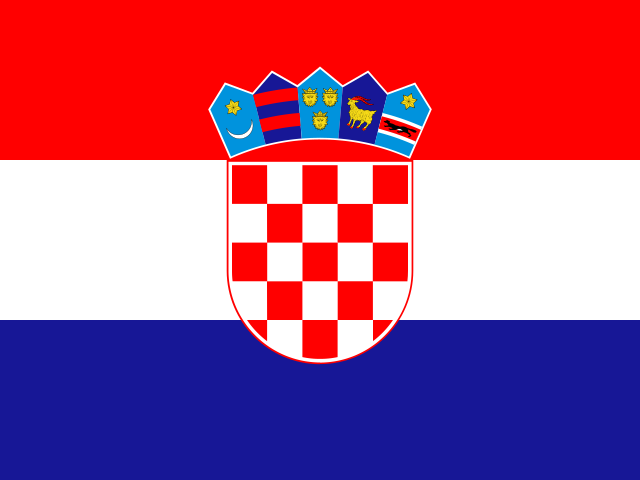
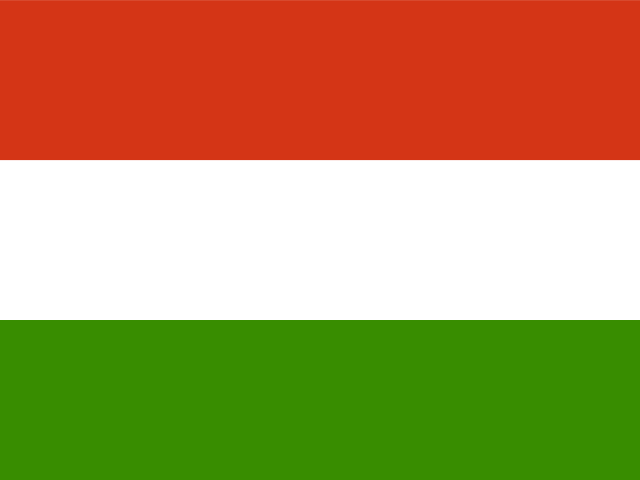
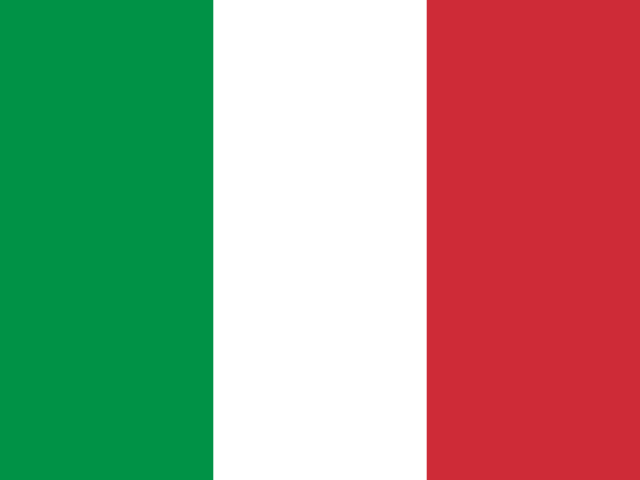
Quick check: how well do you know Slovenia?
3 questions, no sign-up. Tap an answer.
1. Which flag belongs to Slovenia?
That's the flag of Slovenia.
2. What is the capital of Slovenia?
The capital of Slovenia is Ljubljana.
3. Which of these countries borders Slovenia?
Austria, Croatia, Hungary and Italy border Slovenia.
Keep going on the Europe quiz – Slovenia is one of 46 countries there.
More ways to practise: find Slovenia on the blank map with no borders (hard mode), or play today's Globe and the other daily puzzles.
Frequently asked questions about Slovenia
What language is spoken in Slovenia?
Slovene is the official language, spoken by about two million people. Italian and Hungarian are also official in the areas along the Italian and Hungarian borders where those minorities live, and many Slovenes speak English, German or Croatian.
What currency does Slovenia use?
Slovenia uses the euro, code EUR. It adopted it in 2007, replacing the tolar, and was the first former communist country to join the eurozone.
What time zone is Slovenia in?
Slovenia uses Central European Time, UTC+1, like Italy, Austria and Croatia. It moves to Central European Summer Time, UTC+2, from the last Sunday of March to the last Sunday of October.
Which side of the road do they drive on in Slovenia?
Slovenia drives on the right, as in all its neighbours. Motorway users need a vignette, now sold electronically, and dipped headlights must be on at all times.
What is the highest point in Slovenia?
Triglav, in the Julian Alps, is the highest point at about 2,864 metres. Its name means "three heads", and there is a saying that every true Slovene should climb it at least once.
What is Slovenia famous for?
Slovenia is famous for its karst landscape, which gave the word "karst" to geology, and for the Škocjan and Postojna caves. The Lipizzaner horse breed originated at the Lipica stud farm, founded in 1580 under the Habsburgs.
Quizzes with Slovenia
Often confused with
Guides that help with this
- All 46 European capitals, with a memory trick for eachCapitals grouped by region, with hooks for the ones people forget.
- Flags that look alike (and how to tell them apart)Chad or Romania? Australia or New Zealand? The flag pairs that cost quiz points.
- The 25 hardest countries to find on a mapPacific islands, Caribbean islands and landlocked Africa – where they are.