Italy
Capital: Rome. Italy is one of the 46 countries in the Europe quiz.
Quick answers: What is the capital of Italy? · Which countries border Italy?
Facts about Italy
- CapitalRome
- Population58.9 million
- Area301,336 km²
- RegionEurope
- LanguageItalian
- CurrencyEuro (EUR)
Italy is the 5th most populous of the 46 countries in Europe and the 10th largest by area. Worldwide it ranks 25th by population and 72nd by area.
Where is Italy?
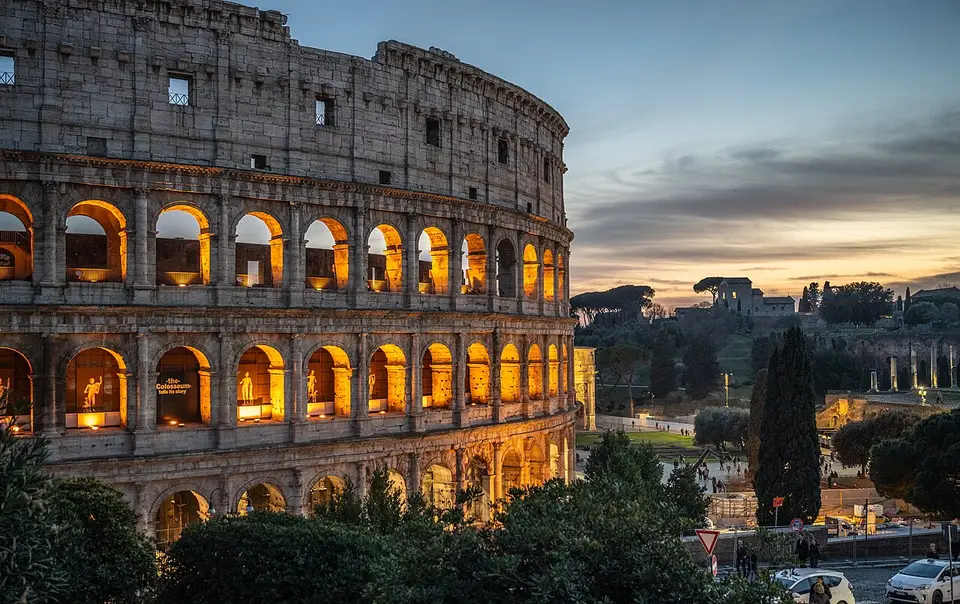
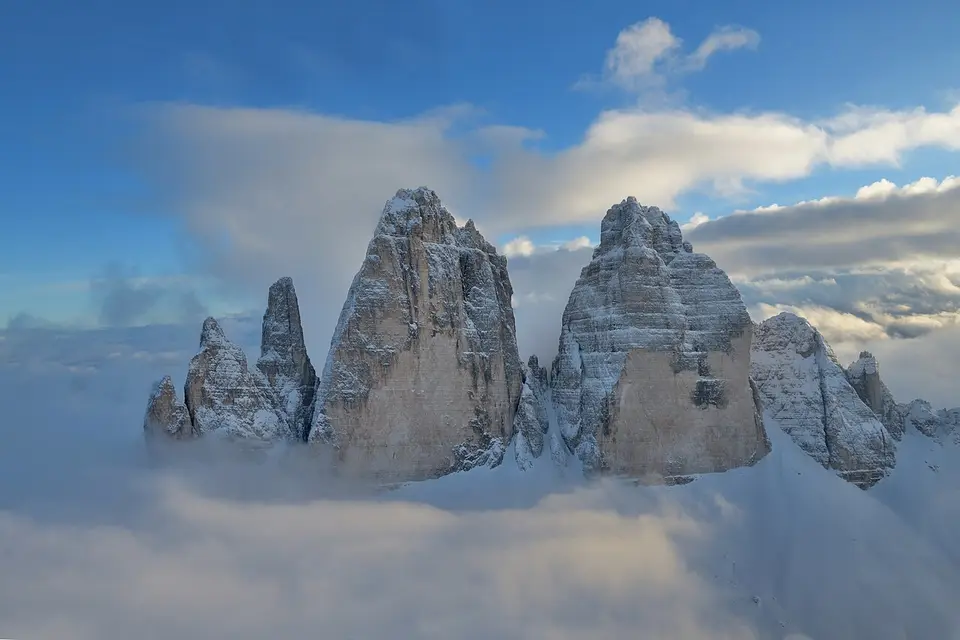
Italy is the boot-shaped peninsula that pushes south from the Alps into the middle of the Mediterranean. In the north it borders France, Switzerland, Austria and Slovenia along the mountains; everywhere else is coast. The Adriatic Sea separates it from the Balkans to the east, the Tyrrhenian Sea lies to the west. Two large islands belong to Italy: Sicily, the "ball" being kicked by the toe of the boot, and Sardinia, further west. Rome is roughly halfway down the western side of the peninsula. Two tiny countries, San Marino and Vatican City, sit entirely inside Italian territory.
How to find Italy on the map
- Look for the boot. No other country in the world has such a recognisable shape.
- Start from the Mediterranean. Italy is the long peninsula in the middle of it, with Sicily at the toe.
- Don't confuse it with Greece. Greece is the next peninsula east across the Adriatic and is far more fragmented.
- Sardinia is Italian; Corsica, just north of it, is French. The two islands look like a pair but belong to different countries.
Flag
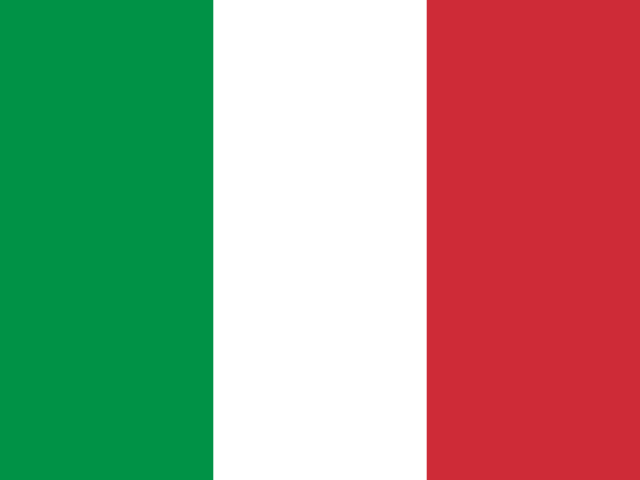
A green, white and red vertical tricolour with no emblem. It is most often mixed up with Mexico, which has the same colours in the same order but an eagle in the centre, and with Ireland, which is green, white and orange. The Italian flag is based on the French tricolour, with green replacing blue. In the Flags quiz, a plain green-white-red with nothing in the middle is Italy; orange on the right means Ireland.
A short history of Italy
Before Rome dominated, the peninsula was shared by many peoples. The Etruscans built cities in Tuscany, while Greek colonists settled the south and Sicily so densely that the region was called Magna Graecia, "Greater Greece". Rome, by tradition founded in 753 BC, became a republic around 509 BC and gradually conquered all of Italy. After Julius Caesar's rise and assassination, Augustus became the first emperor in 27 BC. The western empire fell in 476.
For the next 1,400 years Italy was divided. Lombards, Byzantines, Arabs and Normans ruled different parts, while the popes governed the Papal States across the centre. In the north, wealthy city-states such as Venice, Genoa, Florence and Milan grew rich on trade and banking. Florence, under the Medici family, became the cradle of the Renaissance in the 1400s. From the 1500s, much of Italy fell under Spanish and later Austrian control.
The movement for unification, the Risorgimento, gathered pace in the 1800s. In 1860 Giuseppe Garibaldi and his thousand volunteers conquered Sicily and Naples, and the Kingdom of Italy was proclaimed in 1861. Venice joined in 1866, and Rome was taken from the Pope in 1870 and made the capital. The Pope's remaining territory became Vatican City under the Lateran Treaty of 1929.
After the First World War, Italy gained Trieste and South Tyrol, which is why German is still spoken in the far north. Benito Mussolini's Fascists took power in 1922 and allied with Nazi Germany. After defeat, a referendum in 1946 abolished the monarchy, and Italy became a republic. It signed the Treaty of Rome in 1957, founding the European Economic Community, and an "economic miracle" transformed the country in the 1950s and 60s.
Today Italy is a major industrial economy and a member of the G7, though a gap in wealth between the north and south persists.
Culture and daily life in Italy
Modern Italian grew from the Tuscan dialect, thanks largely to Dante's Divine Comedy, written in the early 1300s. Many Italians still speak regional dialects, such as Neapolitan or Sicilian, and French and Slovene are spoken in border areas. The country is overwhelmingly Catholic by tradition, and the Pope's presence in Rome gives the Church a special place.
Few countries have produced so much great art. Leonardo da Vinci, Michelangelo, who painted the Sistine Chapel ceiling, Raphael and Caravaggio are just a few names. Italy invented opera, and the works of Verdi and Puccini still fill La Scala in Milan. Writers range from Petrarch and Boccaccio to Umberto Eco and Elena Ferrante, and Federico Fellini's La Dolce Vita is a classic of world cinema.
Football is a passion, and Italy has won the World Cup four times. The Giro d'Italia cycling race follows the country's mountains each May, while Ferrari, Vespa and the fashion houses of Milan carry Italian design worldwide.
Five facts worth knowing
- Italy has the most UNESCO World Heritage Sites of any country, with sixty listed.
- Rome has been continuously inhabited for well over 2,500 years and was the centre of an empire that at its peak ruled the whole Mediterranean coast.
- Italy is divided into 20 regions, five of them with special autonomous status (including Sicily and Sardinia). All 20 are in the Italian Regions quiz.
- Italy contains two independent countries inside its borders: Vatican City, the smallest state in the world, and San Marino, one of the oldest republics.
- Mount Etna on Sicily is the most active volcano in Europe, and Vesuvius near Naples is the one that buried Pompeii in AD 79.
Culture and traditions in Italy
- Saying hello
"Buongiorno" or "Ciao"; friends greet with a kiss on both cheeks.
- Food and drink
Neapolitan pizza; pasta in countless regional forms; espresso.
- Festivals and traditions
Venice Carnival in February; the Palio horse race in Siena on 2 July and 16 August.
- Everyday life
Cappuccino is usually a morning drink, and coffee is often taken standing at the bar. The evening passeggiata stroll is a beloved ritual.
- Did you know?
The art of the Neapolitan pizza maker (pizzaiuolo) was added to UNESCO's Intangible Cultural Heritage list in 2017.
Common mistakes
- Tapping Greece or Croatia on the far side of the Adriatic.
- Tapping Corsica (French) when looking for an Italian island.
- Choosing the Mexican flag in the Flags quiz because of the matching colours.
- Placing Rome in the north near Milan; it's in the centre, on the west coast.
Practise with Italy
- Europe quiz – Italy is one of the easiest countries in Europe to find.
- Italian Regions – all 20 regions, from Aosta Valley to Sicily.
- Europe flags – learn to separate Italy from Ireland and Mexico.
- Europe capitals quiz – Rome is a classic.
- Mystery Country – the boot is probably the most famous outline on the whole site.
Nearby countries
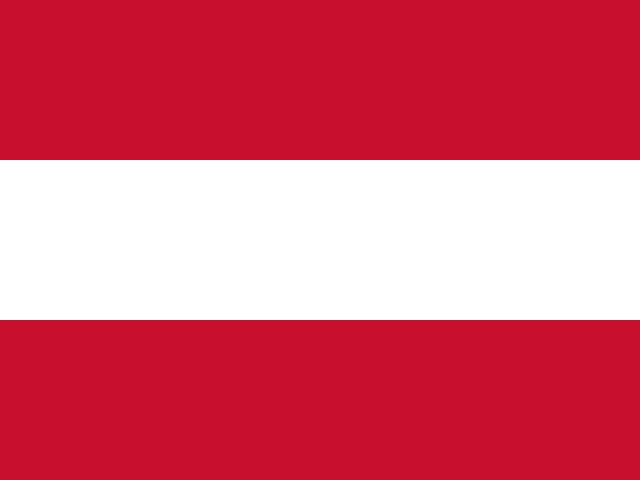 AustriaVienna
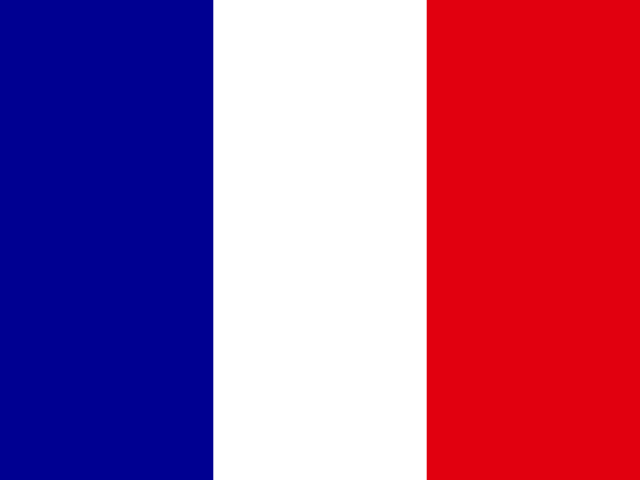 FranceParis
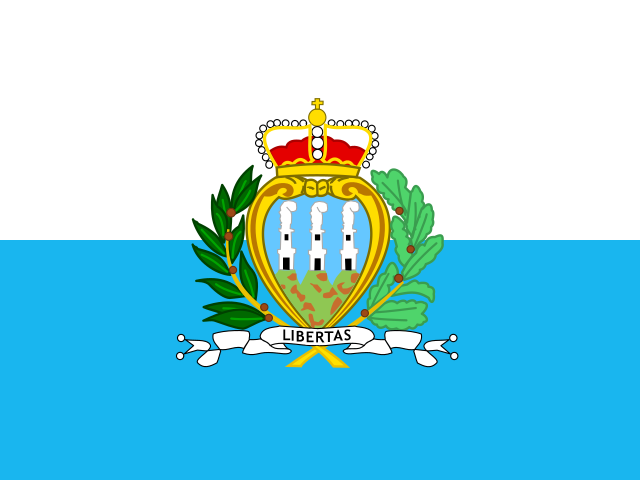 San MarinoSan Marino
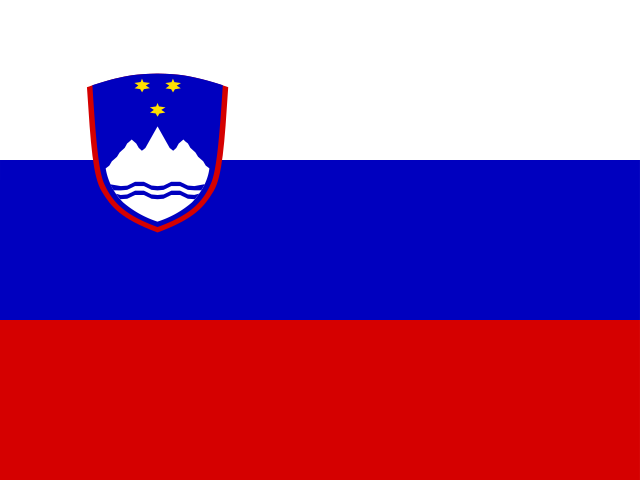 SloveniaLjubljana
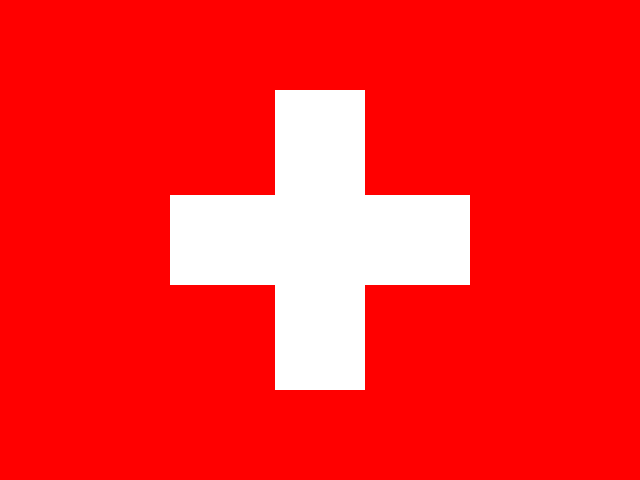 SwitzerlandBern
 Vatican CityVatican City
Quick check: how well do you know Italy?
3 questions, no sign-up. Tap an answer.
1. Which flag belongs to Italy?
That's the flag of Italy.
2. What is the capital of Italy?
The capital of Italy is Rome.
3. Which of these countries borders Italy?
Austria, France, San Marino, Slovenia, Switzerland and Vatican City border Italy.
Keep going on the Europe quiz – Italy is one of 46 countries there.
More ways to practise: find Italy on the blank map with no borders (hard mode), or play today's Globe and the other daily puzzles.
Frequently asked questions about Italy
What language is spoken in Italy?
Italian is the official language, based on the Tuscan dialect of Florence made famous by Dante. Many Italians also speak regional languages such as Neapolitan, Sicilian or Venetian. German is co-official in South Tyrol, French in the Aosta Valley and Slovene near Trieste.
What currency does Italy use?
Italy uses the euro (EUR), which replaced the Italian lira when euro notes and coins arrived in 2002; it was one of the original eurozone members in 1999. Italy's €1 coin shows Leonardo da Vinci's Vitruvian Man.
What time zone is Italy in?
Italy uses Central European Time, UTC+1, in winter and Central European Summer Time, UTC+2, from the last Sunday of March to the last Sunday of October. San Marino and Vatican City share the same time.
Which side of the road do they drive on in Italy?
Italy drives on the right, though some northern cities kept to the left until the 1920s, when a national rule was set. Its autostrade, toll motorways, form one of the oldest motorway networks in the world.
What is the highest point in Italy?
Italy's highest point is on Mont Blanc (Monte Bianco), the highest peak in the Alps at about 4,806 metres, which it shares with France. The exact border near the summit is disputed, so Italy's own top is often given as Mont Blanc de Courmayeur, about 4,748 metres.
How many UNESCO World Heritage sites does Italy have?
Italy has more UNESCO World Heritage sites than any other country, around 60. They include whole historic centres such as Florence, Venice and Rome, ancient Pompeii, the Dolomites and the Amalfi Coast.
Quizzes with Italy
Guides that help with this
- All 46 European capitals, with a memory trick for eachCapitals grouped by region, with hooks for the ones people forget.
- Flags that look alike (and how to tell them apart)Chad or Romania? Australia or New Zealand? The flag pairs that cost quiz points.
- The 25 hardest countries to find on a mapPacific islands, Caribbean islands and landlocked Africa – where they are.