India
Capital: New Delhi. India is one of the 48 countries in the Asia quiz.
Quick answers: What is the capital of India? · Which countries border India?
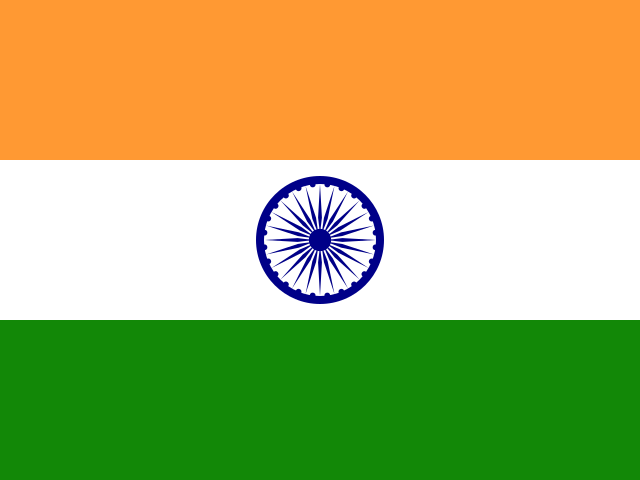
Facts about India
- CapitalNew Delhi
- Population1,463.9 million
- Area3,287,590 km²
- RegionsAsia, Central & South Asia
- LanguagesHindi, English
- CurrencyIndian rupee (INR)
India is the most populous of the 48 countries in Asia and the 2nd largest by area. Worldwide it ranks 1st by population and 7th by area.
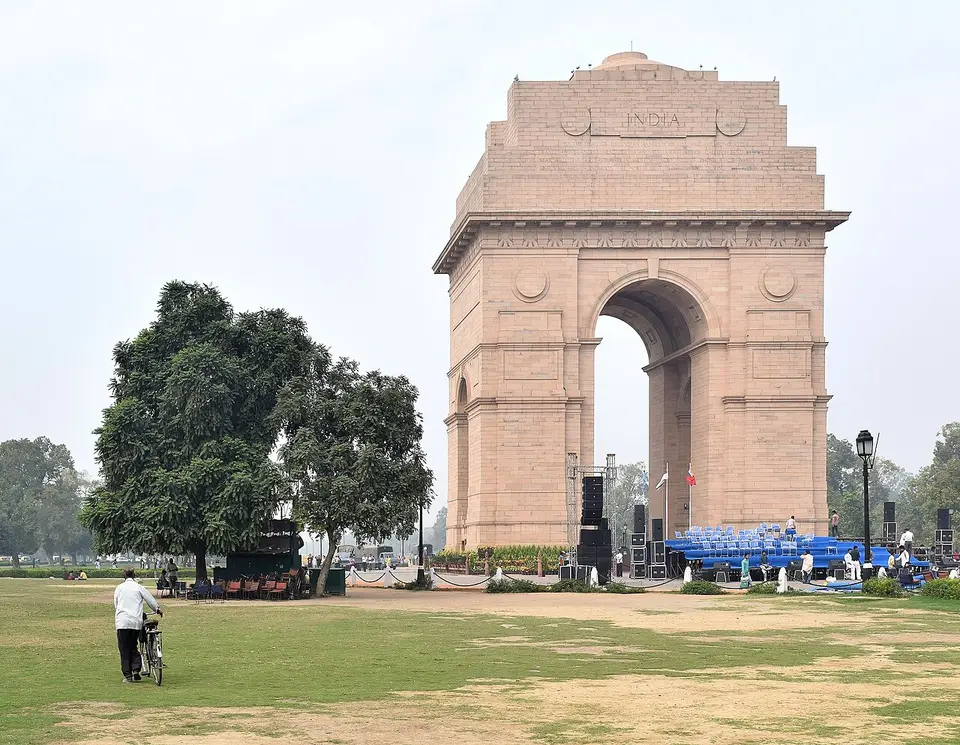
Where is India?
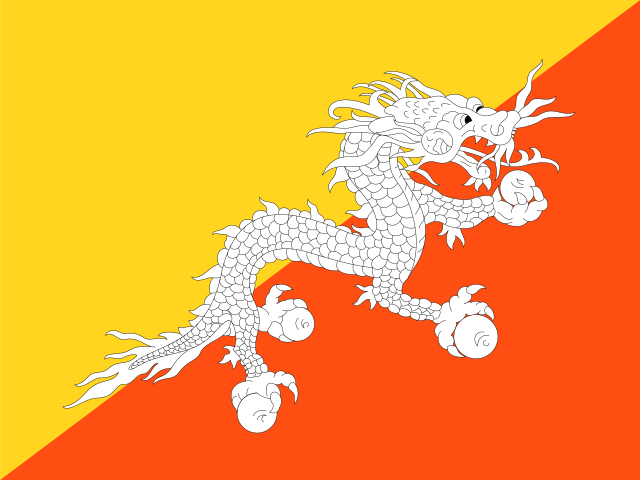
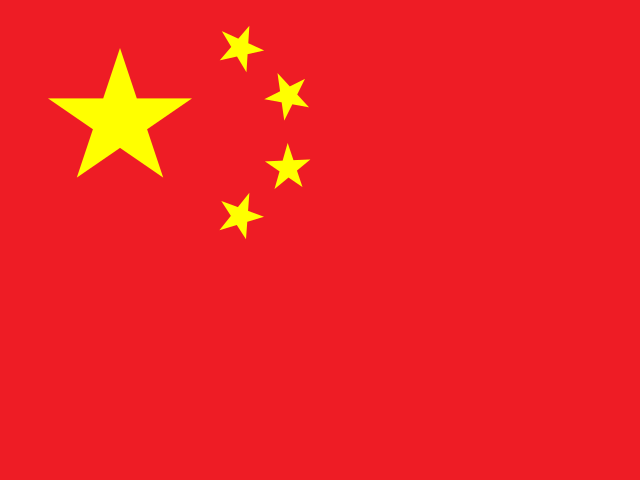
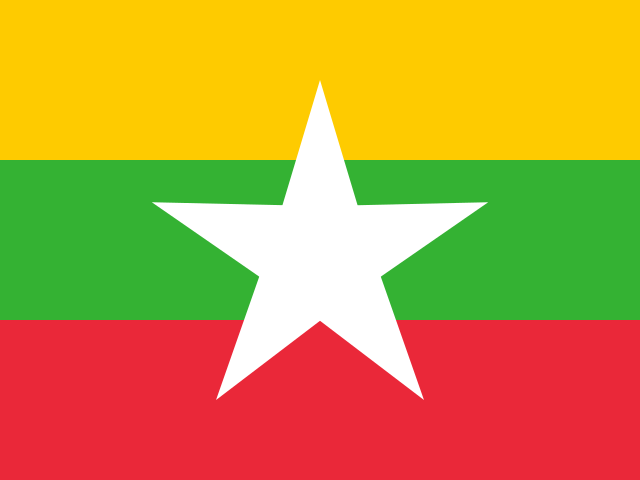
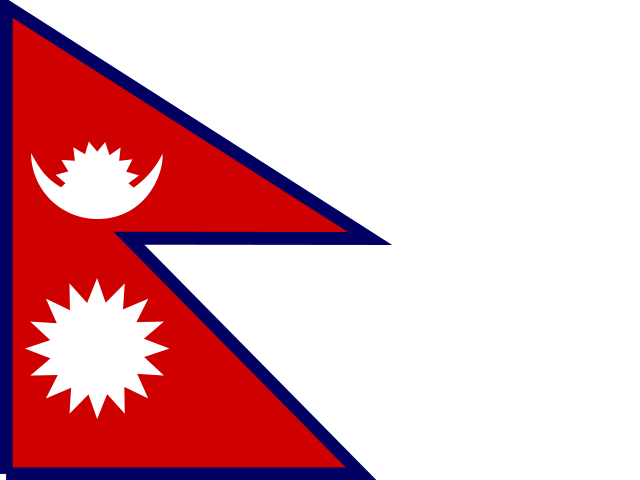
India is the large triangle of land hanging down from the middle of southern Asia into the Indian Ocean. The Arabian Sea lies to the west, the Bay of Bengal to the east, and the island of Sri Lanka sits just off the southern tip. Pakistan is to the north-west, China, Nepal and Bhutan along the Himalayas to the north, and Bangladesh and Myanmar to the east. Bangladesh is almost entirely surrounded by Indian territory. New Delhi, the capital, is in the north, on the plains south of the Himalayas.
How to find India on the map
- Look for the triangle. The Indian subcontinent is the big wedge pointing south between the Arabian Sea and the Bay of Bengal. Nothing else in Asia has that shape.
- Find Sri Lanka. The teardrop island off the southern tip is a reliable marker – India is the land just above it.
- Don't confuse it with Pakistan. Pakistan is the country to the north-west, along the Indus River; India is the peninsula itself.
- Remember the north-east. India continues past Bangladesh in a narrow corridor to a block of states that touch Myanmar and China. That part is still India.
Flag
The Tiranga is a horizontal tricolour of saffron, white and green, with a navy-blue 24-spoked wheel – the Ashoka Chakra – in the centre of the white band. The wheel is what distinguishes it; a plain saffron-white-green tricolour would look like several others.
The nearest look-alikes are Niger, which uses orange, white and green with an orange disc in the centre, and Ireland, which is a vertical green-white-orange. If the stripes are horizontal and the centre holds a spoked blue wheel, it's India.
A short history of India
One of the world's first urban civilisations grew up along the Indus and its tributaries around 2500 BC, with planned cities such as Harappa and Mohenjo-daro, both now in Pakistan. Later, the Vedic period gave rise to Sanskrit and the early roots of Hinduism, and around the 6th and 5th centuries BC the Buddha and Mahavira, the great teacher of Jainism, taught in the Ganges plain. The Maurya Empire united most of the subcontinent in the 300s BC; its emperor Ashoka turned to Buddhism and spread it across Asia. Under the Guptas, around AD 300–550, Indian mathematicians developed the decimal place-value system with zero that the world uses today.
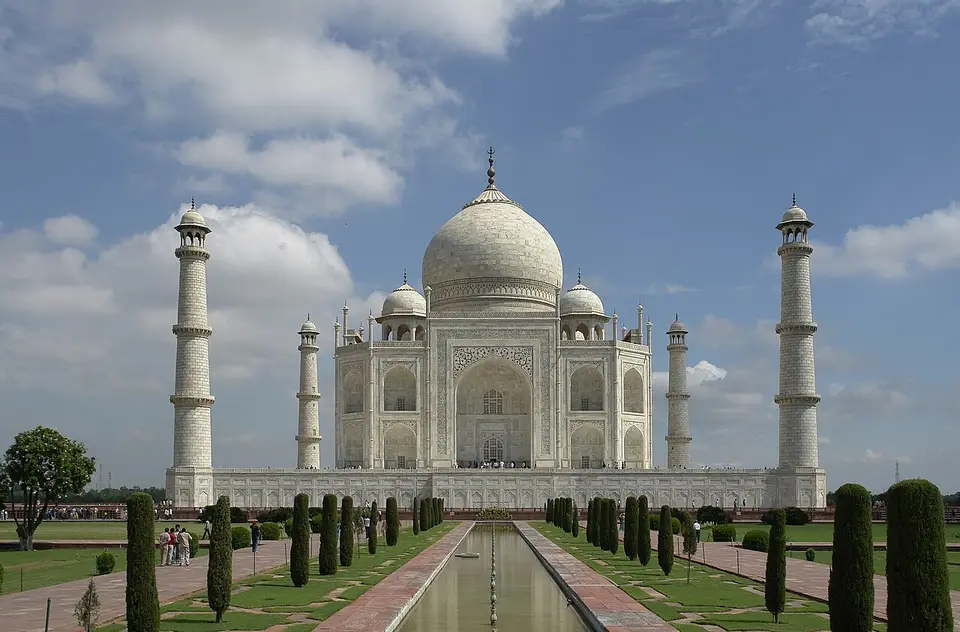
From 1206 the Delhi Sultanate brought Muslim rule to the north, and in 1526 Babur founded the Mughal Empire. At its height under Akbar and Shah Jahan, who built the Taj Mahal, it was one of the richest states on Earth. In the south, Hindu kingdoms such as Vijayanagara flourished.
European traders followed. The Portuguese took Goa in 1510, and the British East India Company, after victory at Plassey in 1757, gradually took control of most of the subcontinent. After a major rebellion in 1857, the British Crown ruled directly. The independence movement, led by the Indian National Congress and Mahatma Gandhi's campaigns of non-violent protest such as the 1930 Salt March, won freedom on 15 August 1947. Independence came with Partition: Muslim-majority areas became Pakistan, including an eastern wing that became Bangladesh in 1971. Millions were uprooted and hundreds of thousands killed. Kashmir remains disputed – India and Pakistan each claim it in full, and each administers part, while China holds a further area in the east.
India adopted its constitution in 1950, and in the 1950s state borders were redrawn largely along language lines, shaping the map of states seen today. Economic reforms from 1991 opened the economy, and India is now one of the world's largest and fastest-growing economies, strong in IT services, pharmaceuticals and space – in 2023 it landed a probe near the Moon's south pole.
Culture and daily life in India
Hindi and English are used by the central government, but the south speaks Dravidian languages such as Tamil, Telugu, Kannada and Malayalam, a separate family older in the region than Hindi. Most Indians are Hindu, but India also has one of the world's largest Muslim populations, and it is the birthplace of Buddhism, Jainism and Sikhism, whose holiest shrine is the Golden Temple in Amritsar.
The epics Mahabharata and Ramayana are still retold in films and on television. Rabindranath Tagore won the Nobel Prize in Literature in 1913, the first non-European to do so, and wrote India's national anthem. Classical music follows two traditions, Hindustani in the north and Carnatic in the south, and Ravi Shankar took the sitar to the world.
Mumbai's film industry, Bollywood, is just one of several, and India makes more films than any other country. Cricket is close to a religion: India won the World Cup in 1983 and 2011, and the Indian Premier League is one of the richest leagues in sport. Yoga, born here, is now practised worldwide.
Five facts worth knowing
- India is the most populous country in the world, having overtaken China in 2023.
- India has 28 states and 8 union territories, and the states have their own quiz on this site. Rajasthan is the largest by area; Goa is the smallest.
- Bangladesh is nearly an enclave of India. It is surrounded by Indian territory on three sides and has only a short border with Myanmar in the south-east.
- India is the seventh-largest country in the world by area but is only about a third the size of China.
- The capital is New Delhi, not Mumbai. Mumbai is the largest city and financial centre; New Delhi is a district within the wider city of Delhi.
Culture and traditions in India
- Saying hello
"Namaste", with palms pressed together and a slight bow.
- Food and drink
Biryani, fragrant spiced rice; dosa, a crispy fermented crepe; masala chai, spiced milky tea.
- Festivals and traditions
Diwali, the festival of lights, in October or November; Holi, the festival of colours, in March.
- Everyday life
Shoes are removed in homes and temples. Eating with the right hand is common, and guests are treated with great hospitality.
- Did you know?
India's constitution recognises 22 scheduled languages, and hundreds more are spoken across the country.
Common mistakes
- Tapping Pakistan, especially when the quiz zooms out and the Indus plain looks like part of the same shape.
- Tapping the north-east corner as Bangladesh or Myanmar.
- Typing "Mumbai" or "Delhi" in the Capitals quiz when "New Delhi" is expected.
- Picking Niger's flag in the Flags quiz.
Practise with India
- Asia quiz – the triangle is the easiest country on the map; the hard part is the ring of smaller neighbours around it.
- Central & South Asia quiz – India, Pakistan, Bangladesh, Nepal, Bhutan, Sri Lanka and the Maldives, zoomed in.
- Indian States – all 28 states, from Jammu and Kashmir to Tamil Nadu.
- Whole World flags – India versus Niger and Ireland, which are in Africa and Europe and only meet in the world set.
- Asia capitals quiz – New Delhi.
- Mystery Country – the southern wedge, the Himalayan edge and the north-eastern corridor make an outline that is hard to mistake.
Nearby countries
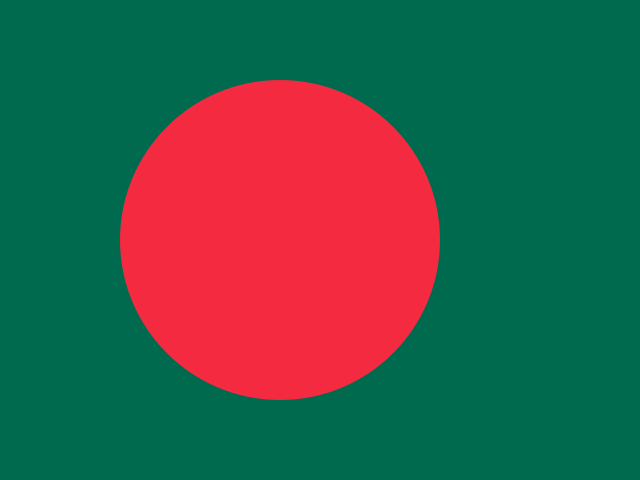
Quick check: how well do you know India?
3 questions, no sign-up. Tap an answer.
1. Which flag belongs to India?
That's the flag of India.
2. What is the capital of India?
The capital of India is New Delhi.
3. Which of these countries borders India?
Bangladesh, Bhutan, China, Myanmar, Nepal and Pakistan border India.
Keep going on the Asia quiz – India is one of 48 countries there.
More ways to practise: find India on the blank map with no borders (hard mode), or play today's Globe and the other daily puzzles.
Frequently asked questions about India
What language is spoken in India?
Hindi, in the Devanagari script, is the official language of the central government, and English is also used officially. The constitution lists 22 scheduled languages, including Bengali, Marathi, Telugu, Tamil, Gujarati and Urdu, and most states run their affairs in their own regional language.
What currency does India use?
India uses the Indian rupee (INR), issued by the Reserve Bank of India. Its symbol, ₹, was adopted in 2010 and combines the Devanagari letter ra with the Latin R. Mobile payments through the UPI system have become extremely common.
What time zone is India in?
All of India uses a single time zone, Indian Standard Time, UTC+5:30, and there is no daylight saving time. Because the country is so wide, the sun rises nearly two hours earlier in the far north-east than in the far west.
Which side of the road do they drive on in India?
India drives on the left, a legacy of British rule, as do neighbouring Pakistan, Nepal, Bangladesh and Sri Lanka. Its road network is one of the largest in the world, shared by cars, buses, motorbikes, auto-rickshaws and sometimes cattle.
What is the highest point in India?
Kangchenjunga, about 8,586 metres, on the border between Sikkim and Nepal, is usually given as India's highest point. It is the third-highest mountain in the world, and its five summits are sacred to the people of Sikkim, who traditionally leave the very top untrodden.
Is India the most populous country in the world?
Yes. India overtook China as the world's most populous country around 2023 and now has about 1.46 billion people, roughly one in six of everyone on Earth. Its population is also young, with a median age under 30.
Quizzes with India
Often confused with
Guides that help with this
- Oceans, seas, rivers and mountainsThe physical map: seas around each continent, the big rivers and ranges.
- Flags that look alike (and how to tell them apart)Chad or Romania? Australia or New Zealand? The flag pairs that cost quiz points.
- The 25 hardest countries to find on a mapPacific islands, Caribbean islands and landlocked Africa – where they are.