Russia
Capital: Moscow. Russia is one of the 46 countries in the Europe quiz.
Quick answers: What is the capital of Russia? · Which countries border Russia?
Facts about Russia
- CapitalMoscow
- Population143.5 million
- Area17,098,242 km²
- RegionEurope
- LanguageRussian
- CurrencyRussian ruble (RUB)
Russia is the most populous of the 46 countries in Europe and the largest by area. Worldwide it ranks 9th by population and 1st by area.
Where is Russia?
Russia is the largest country in the world, stretching from the Baltic Sea in the west to the Pacific Ocean in the east and covering the whole northern edge of Asia. The Ural Mountains are the traditional line between European Russia, where Moscow and most of the population are, and Siberia to the east. It touches the Arctic Ocean along its entire northern coast. Russia has land borders with 14 countries, from Norway and Finland in the north-west, through the Baltic states, Belarus and Ukraine, down to Georgia and Azerbaijan, and then Kazakhstan, Mongolia, China and North Korea in the east. Kaliningrad, a small exclave between Poland and Lithuania, is also Russian.
How to find Russia on the map
- Look for the biggest country. On a world map, Russia is the enormous shape along the top of Eurasia. You can't miss it.
- Start from the Arctic. Everything on the Eurasian side of the Arctic Ocean, from Finland eastwards, is Russia.
- Don't confuse it with Kazakhstan or Mongolia when the quiz asks you to tap inside the border – both are large and sit directly below Russia.
- Remember Kaliningrad. The small patch on the Baltic coast between Poland and Lithuania is Russian, not Polish.
Flag
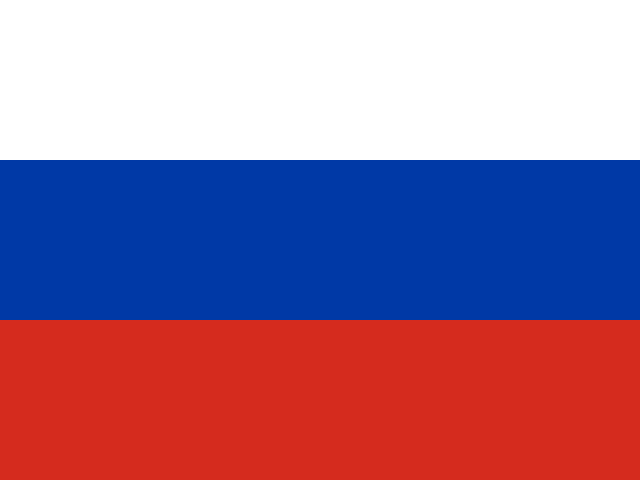
Three horizontal bands of white, blue and red. Several Slavic flags use the same colours and are easy to mix up: Slovakia and Slovenia are both white-blue-red but add a coat of arms, while Serbia reverses the order to red-blue-white. The Netherlands is red-white-blue. In the Flags quiz, a plain white-blue-red with no emblem is Russia.
A short history of Russia
Russia's story begins with Kievan Rus', a federation of East Slavic lands centred on Kyiv from the late 800s, founded according to tradition by Scandinavian Varangians. In 988 Prince Vladimir adopted Orthodox Christianity from Byzantium, which shaped the region's faith, art and Cyrillic writing. In the 1200s the Mongols swept in, and for about two centuries the Russian principalities paid tribute to the Golden Horde.
Moscow, once a minor town, rose by collecting that tribute and gradually absorbing its rivals. Ivan III threw off Mongol overlordship in 1480, and Ivan IV, "the Terrible", was crowned the first tsar in 1547. Russia then expanded east across Siberia, reaching the Pacific by the mid-1600s, mainly in search of furs. The Romanov dynasty took power in 1613 and ruled for three centuries.
Peter the Great opened Russia to Western Europe and founded St Petersburg on the Baltic in 1703 as his new capital. Catherine the Great pushed the borders to the Black Sea. In 1812 Napoleon's invasion reached Moscow but ended in a disastrous retreat. Serfdom was abolished in 1861, yet discontent grew, and the losses of the First World War brought revolution in 1917. The Bolsheviks under Lenin seized power, killed the royal family, moved the capital back to Moscow in 1918, won a civil war and created the Soviet Union in 1922.
Under Stalin, the Soviet Union industrialised rapidly, at the cost of famine and mass terror. In the Second World War it lost around 27 million people but helped defeat Nazi Germany, and then led the communist bloc through the Cold War. It launched Sputnik in 1957, and Yuri Gagarin became the first person in space in 1961. The Soviet Union collapsed in 1991, and Russia emerged as its largest successor state. Since then its relations with the West have worsened sharply, especially after it annexed Crimea in 2014 – which Russia treats as its own territory but Ukraine and most countries consider illegal – and launched a full-scale invasion of Ukraine in 2022.
Today Russia is a major exporter of oil, gas, metals and grain, and keeps a large nuclear arsenal and a permanent seat on the UN Security Council.
Culture and daily life in Russia
Russian is the main language, but the country is home to more than a hundred ethnic groups, including Tatars, Bashkirs, Chechens and Yakuts, many with their own republics and languages – a legacy of centuries of expansion. Orthodox Christianity is the largest faith, and Islam is strong in regions such as Tatarstan and the North Caucasus.
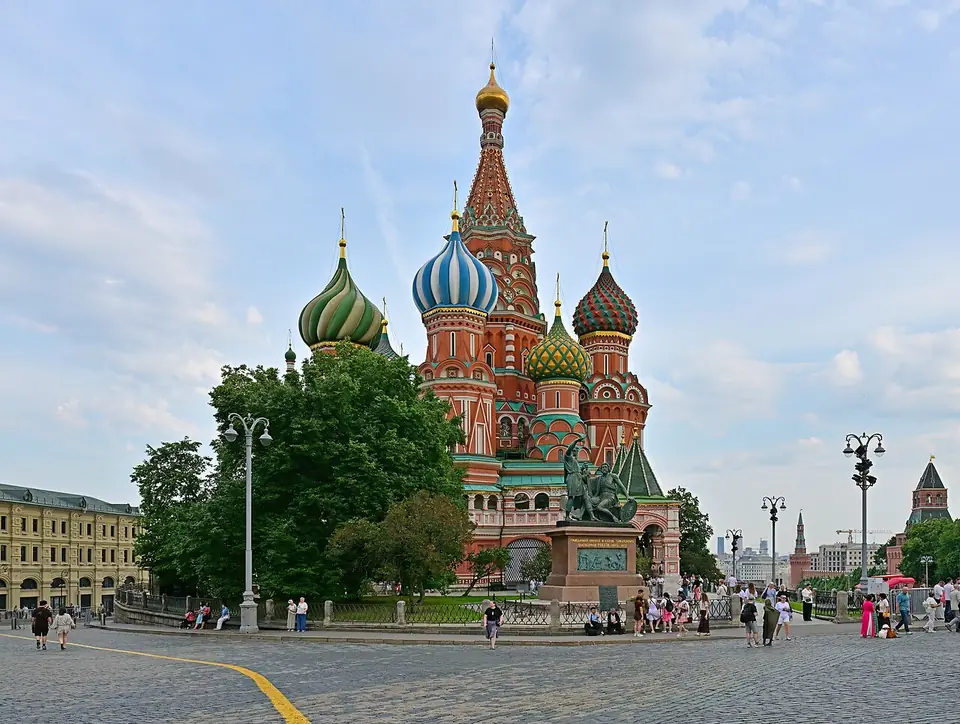
Russian literature is one of the world's richest. Alexander Pushkin is seen as the father of modern Russian writing, and Leo Tolstoy's War and Peace and Fyodor Dostoevsky's Crime and Punishment are classics everywhere. In music, Pyotr Tchaikovsky wrote Swan Lake and The Nutcracker, and the Bolshoi Ballet is world famous. Onion-domed churches such as St Basil's Cathedral on Red Square, and the treasures of the Hermitage museum in St Petersburg, draw huge numbers of visitors.
Ice hockey, football and chess are national passions, and the dacha, a country cottage with a vegetable garden, is a cherished part of summer life. The banya, a steam bath where people beat themselves with birch twigs, is an old and popular tradition.
Five facts worth knowing
- Russia covers about 17 million square kilometres – over a tenth of all the land on Earth and nearly twice the size of the second-largest country, Canada.
- It spans 11 time zones. When it's morning in Kaliningrad it is already evening in Kamchatka.
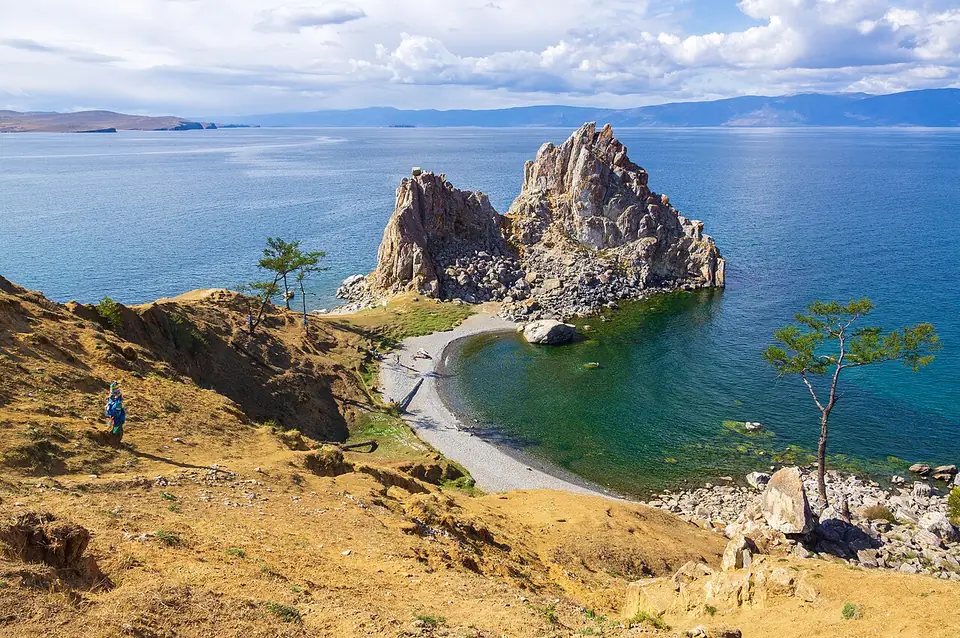
- Lake Baikal in Siberia is the deepest lake in the world and holds around a fifth of the planet's unfrozen fresh water.
- The Trans-Siberian Railway runs over 9,000 km from Moscow to Vladivostok, the longest railway line in the world.
- Russia borders 14 countries by land, more than any other country except China, which also has 14.
Culture and traditions in Russia
- Saying hello
A firm handshake between men; "Zdravstvuyte" is formal, "Privet" informal.
- Food and drink
Borscht, beet soup, and pelmeni, meat dumplings; tea is drunk throughout the day.
- Festivals and traditions
New Year (31 December-1 January) is the biggest holiday; Maslenitsa, a week of pancakes, marks the end of winter.
- Everyday life
Shoes come off indoors. Bringing a small gift or flowers (in odd numbers) when visiting a home is customary.
- Did you know?
Russia spans 11 time zones, more than any other country.
Common mistakes
- Tapping Kazakhstan, the large country directly south of the Russian heartland.
- Tapping Ukraine or Belarus when the quiz zooms in on Europe.
- Picking the Slovakian or Slovenian flag in the Flags quiz because the colours match.
- Forgetting that Moscow is in the far west of the country, not somewhere in the middle.
Practise with Russia
- Whole World quiz – Russia is the easiest country on the map to find, but its neighbours are not.
- Europe quiz – only European Russia shows here; tap anywhere east of Finland and Ukraine.
- Whole World flags – learn to tell Russia from Slovakia, Slovenia and Serbia.
- Europe capitals quiz – Moscow, in the west of the country.
- Mystery Country – Russia's outline is so large it is almost a map of northern Asia on its own.
Nearby countries
 AzerbaijanBaku
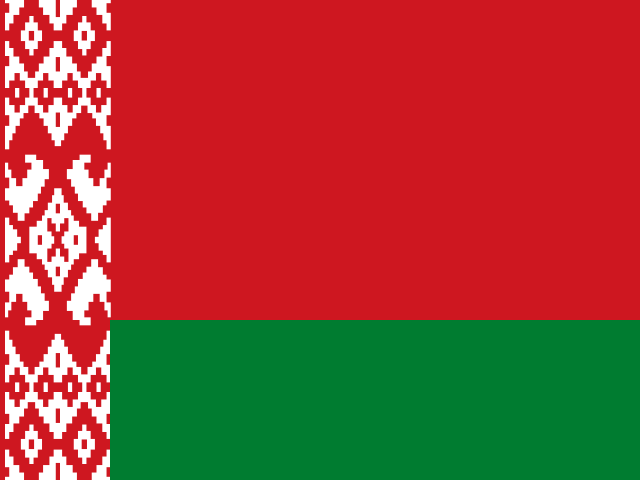 BelarusMinsk
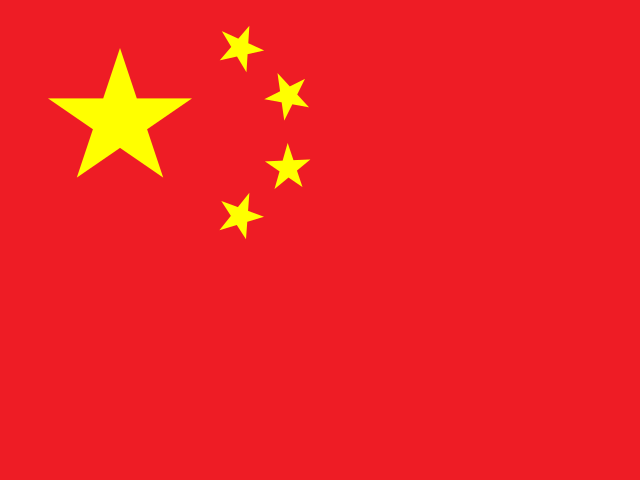 ChinaBeijing
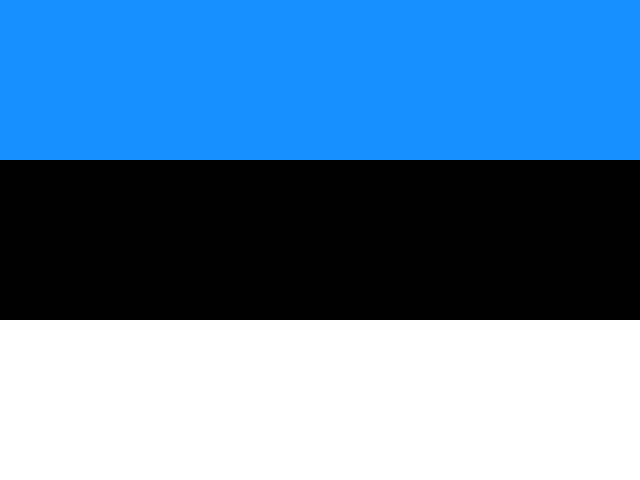 EstoniaTallinn
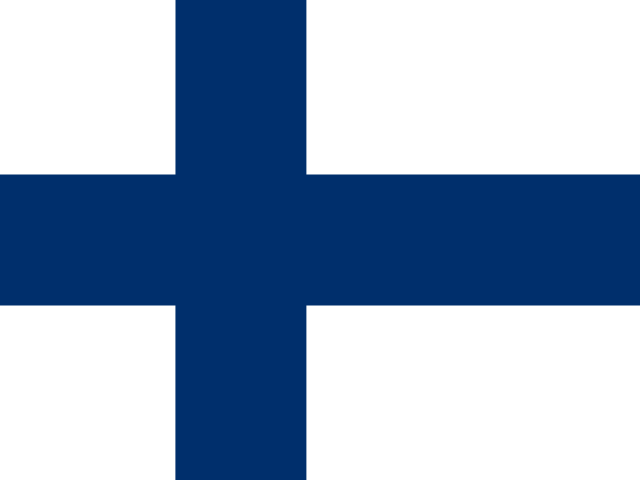 FinlandHelsinki
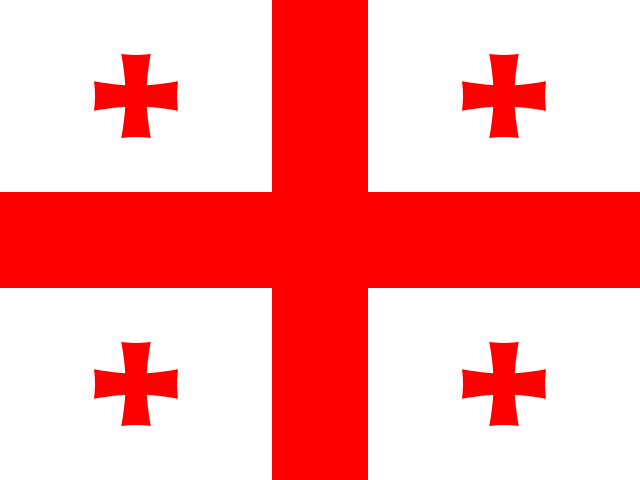 GeorgiaTbilisi
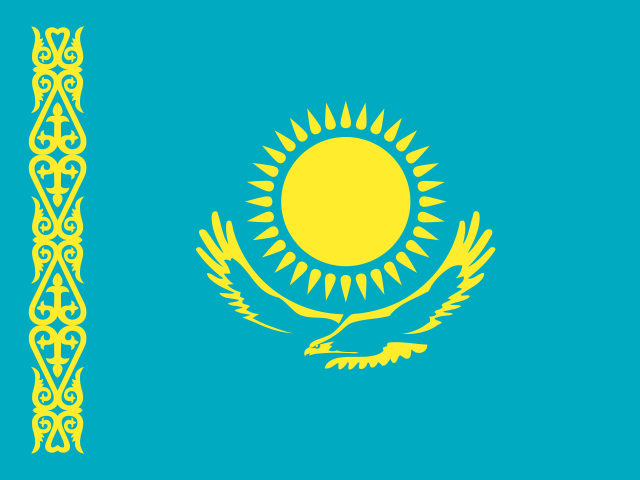 KazakhstanAstana
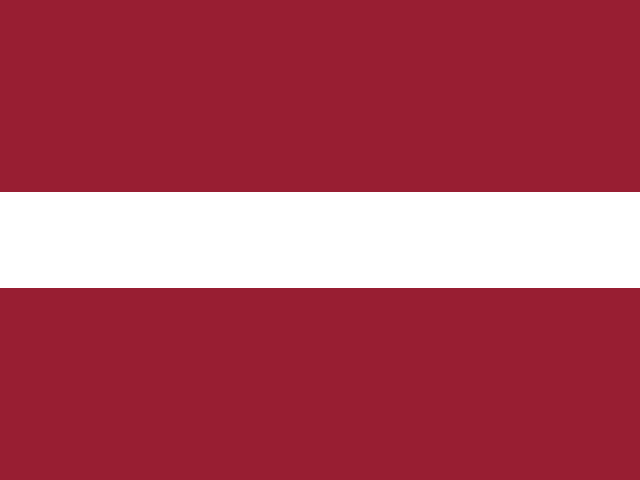 LatviaRiga
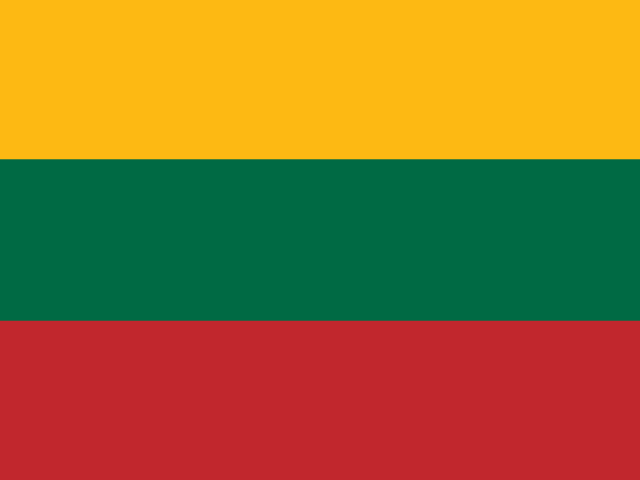 LithuaniaVilnius
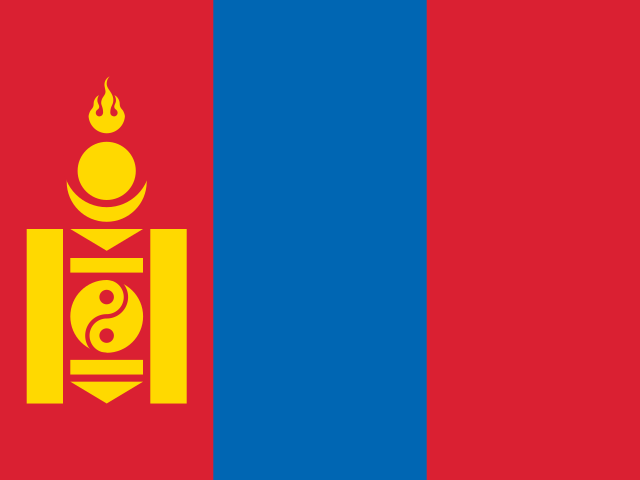 MongoliaUlaanbaatar
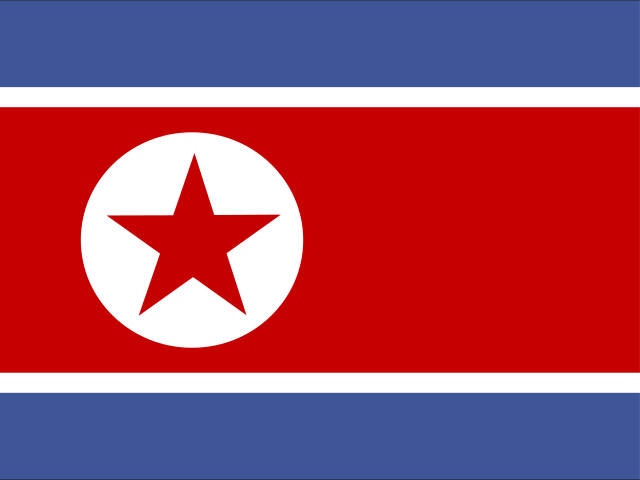 North KoreaPyongyang
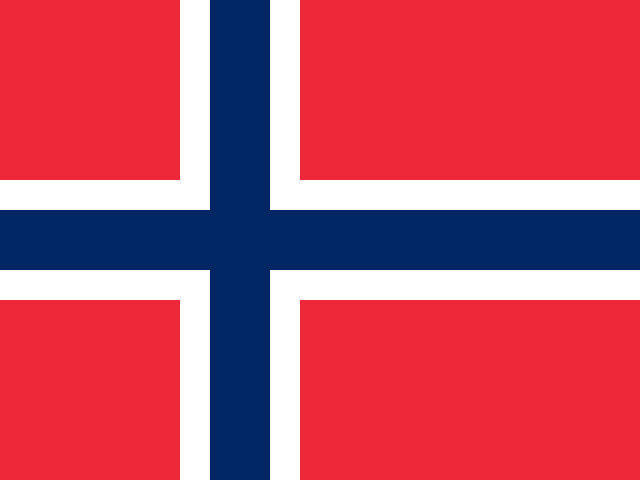 NorwayOslo
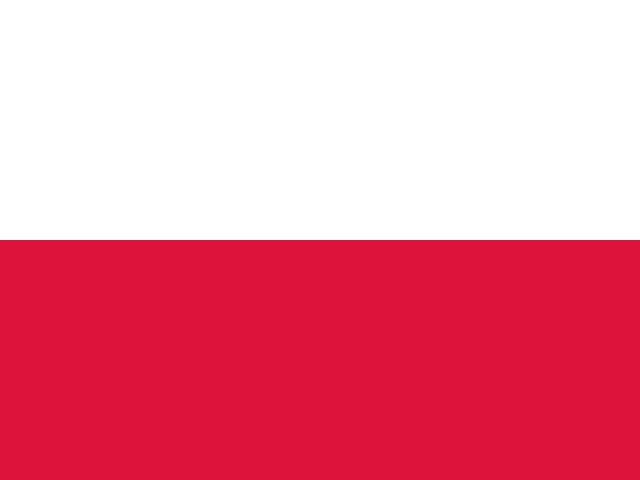 PolandWarsaw
 UkraineKyiv
Quick check: how well do you know Russia?
3 questions, no sign-up. Tap an answer.
1. Which flag belongs to Russia?
That's the flag of Russia.
2. What is the capital of Russia?
The capital of Russia is Moscow.
3. Which of these countries borders Russia?
Azerbaijan, Belarus, China, Estonia, Finland, Georgia, Kazakhstan, Latvia, Lithuania, Mongolia, North Korea, Norway, Poland and Ukraine border Russia.
Keep going on the Europe quiz – Russia is one of 46 countries there.
More ways to practise: find Russia on the blank map with no borders (hard mode), or play today's Globe and the other daily puzzles.
Frequently asked questions about Russia
What language is spoken in Russia?
Russian is the official language across the country and is spoken by nearly everyone. Russia is home to more than 100 other languages, and many republics give theirs co-official status, among them Tatar, Bashkir, Chechen, Chuvash and Yakut.
What currency does Russia use?
Russia uses the Russian rouble, code RUB, divided into 100 kopecks. It is a floating currency, not pegged to the dollar or euro, and its value has swung sharply at times of crisis.
What time zone is Russia in?
Russia spans 11 time zones, from UTC+2 in Kaliningrad to UTC+12 in Kamchatka and Chukotka. Moscow is on UTC+3. The country stopped using daylight saving time in 2011, so clocks no longer change in summer.
Which side of the road do they drive on in Russia?
Russia drives on the right. In the Far East, however, many cars are second-hand imports from Japan with the steering wheel on the right, which is why right-hand-drive cars are common in cities such as Vladivostok.
What is the highest point in Russia?
Mount Elbrus, a dormant volcano in the Caucasus Mountains near the Georgian border, is Russia's highest point at about 5,642 metres. It is usually counted as the highest mountain in Europe.
Is Russia in Europe or Asia?
Both. The Ural Mountains and the Ural River are the usual dividing line. About three-quarters of Russia's territory lies in Asia, in Siberia and the Far East, but around three-quarters of its people live in the European part, west of the Urals.
Quizzes with Russia
Often confused with
Guides that help with this
- All 46 European capitals, with a memory trick for eachCapitals grouped by region, with hooks for the ones people forget.
- Flags that look alike (and how to tell them apart)Chad or Romania? Australia or New Zealand? The flag pairs that cost quiz points.
- The 25 hardest countries to find on a mapPacific islands, Caribbean islands and landlocked Africa – where they are.