Eurozone quiz
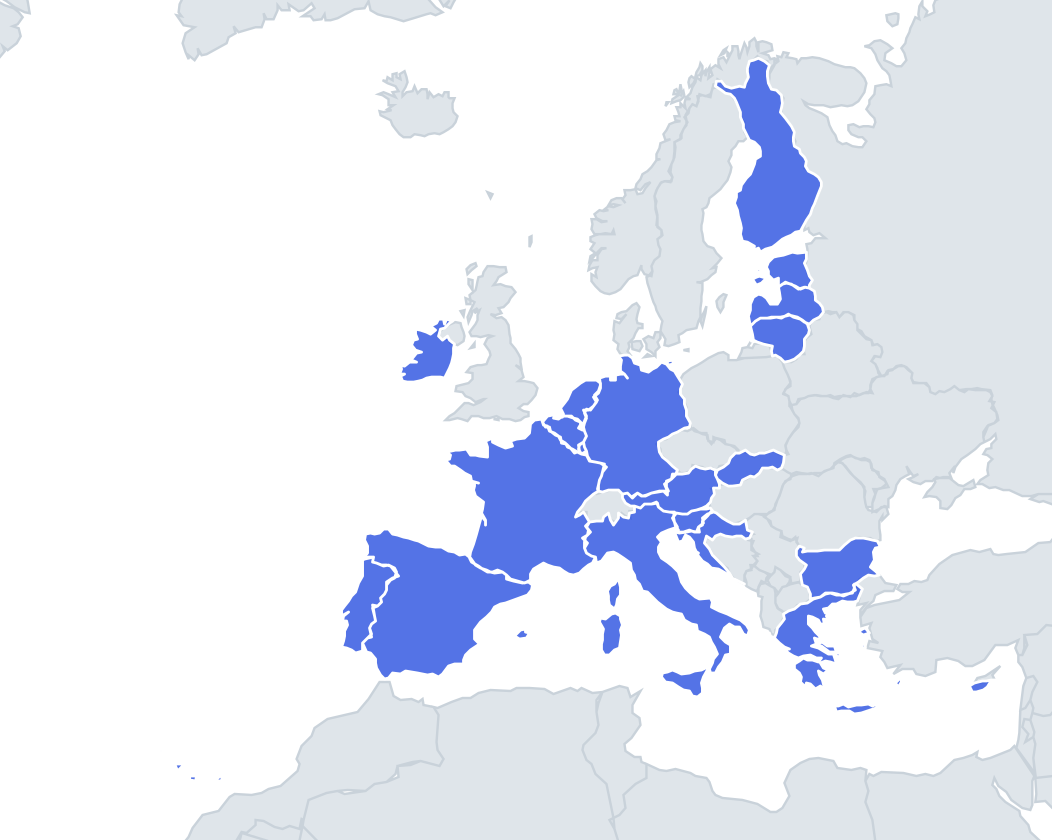
Which countries pay with the euro? Find all 21 eurozone countries on the map. Tap the right place, see how fast you can reach 100%, and practise the ones you missed until you know them all.
Top scores
- Loading the leaderboard…
Play in full screen, finish with 100% and post your time to get on the board. All leaderboards
Your next quiz
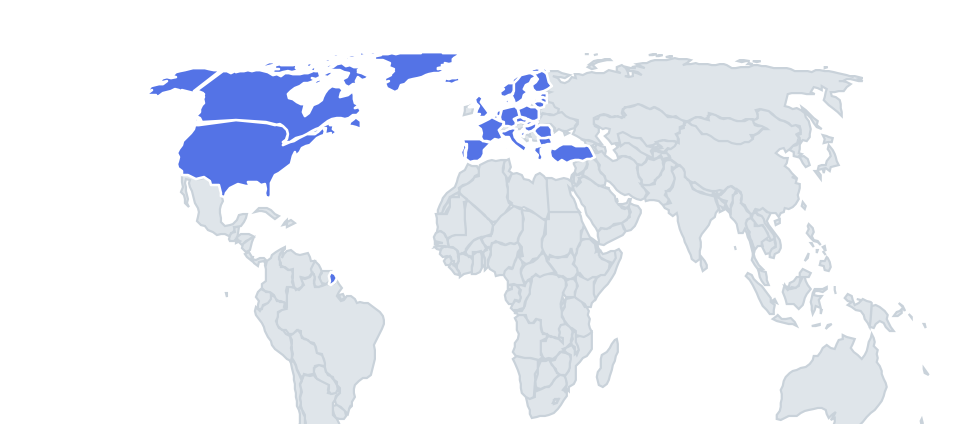 NATO quiz32 countries
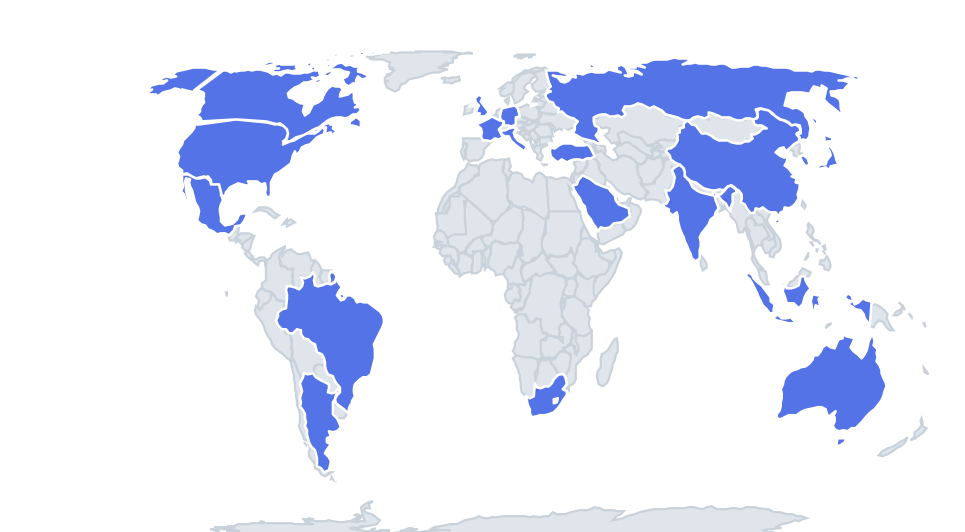 G20 countries quiz19 countries
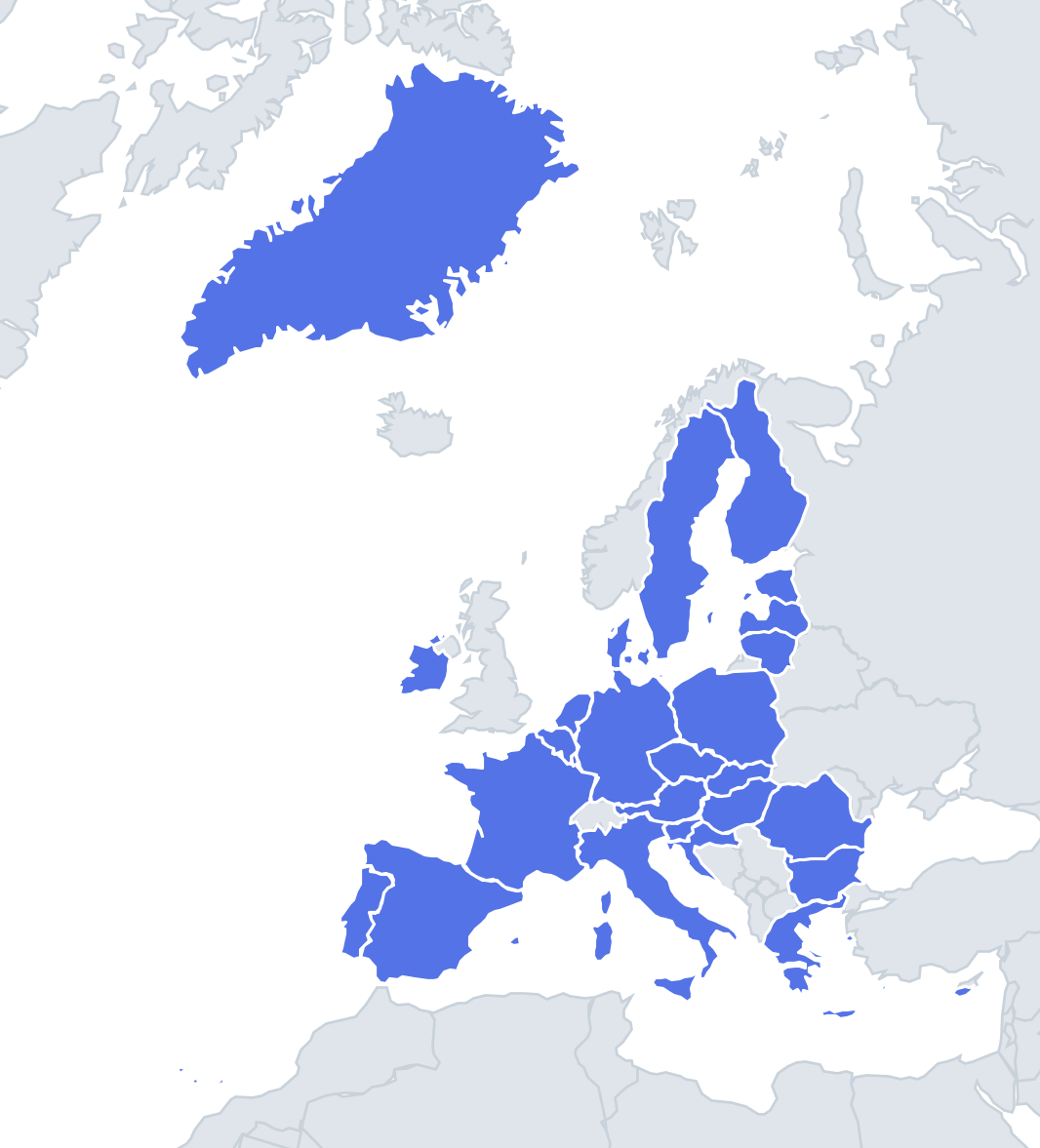 European Union quiz27 countries
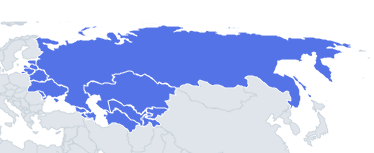 Former Soviet Union quiz15 countries
What's on this map
The 21 countries that use the euro as members of the eurozone. Bulgaria is the newest, joining on 1 January 2026, after Croatia in 2023. The euro started in 1999 as an accounting currency, and the notes and coins arrived in 2002.
The quickest way to learn this map is to start from the European Union and take six countries away. Denmark, Sweden, Poland, Czechia, Hungary and Romania are EU members that still use their own currencies, so they stay blank. Everything else in the EU is on the map.
That leaves a solid western block from Portugal and Ireland to Germany and Italy, the Benelux countries, Austria, Finland, and Greece with Cyprus and Malta in the Mediterranean. In the east the euro area is patchier: the three Baltic states, Slovakia, Slovenia, Croatia and now Bulgaria.
A few places outside the EU also use the euro, such as Montenegro, Kosovo and the European microstates, but they are not eurozone members and are not part of this quiz.
The ones people miss
- Bulgaria – the newest member, on the Black Sea. Hook: it joined on 1 January 2026, while neighbouring Romania still uses the leu.
- Croatia – joined in 2023. Hook: the long Adriatic crescent, capital Zagreb.
- Slovakia vs Czechia – once one country, now on different currencies. Hook: Slovakia, the eastern half, uses the euro; Czechia keeps the koruna.
- The Baltics – all three are in. Hook: Estonia 2011, Latvia 2014, Lithuania 2015.
- Denmark and Sweden – rich EU members that people assume are in. Hook: both keep their own krone and krona.
How to learn it
- Learn the six EU blanks first; the rest of the map follows from them.
- Do Find on the map in two sweeps: the western block, then the eastern members.
- Leave Cyprus and Malta for a separate round; they are easy to forget.
- Done is a clean Name them all plus a Sudden death run that gets Bulgaria and Croatia right.
Guides that help with this
- Learn all 197 countries in 30 daysA day-by-day plan: one region at a time, spaced repetition for review.
- Flags that look alike (and how to tell them apart)Chad or Romania? Australia or New Zealand? The flag pairs that cost quiz points.
- 15 pairs of countries people constantly mix upSlovakia vs Slovenia, Niger vs Nigeria – and how to keep each pair apart.
How to play
A name appears at the top. Tap that place on the map. You get three tries: green means first try, yellow second and orange third. After three misses the right place flashes. Tiny places get a circle so they are easy to hit, and you can zoom with two fingers or the mouse wheel.
Want a harder test? Try Name them all (type every country you can remember before the clock runs out) or Sudden death (one mistake and the game is over).
All 21 countries
| Country | Capital | Population (approx.) |
|---|---|---|
 Austria | Vienna | 8.9 million |
 Belgium | Brussels | 11.5 million |
 Bulgaria | Sofia | 7 million |
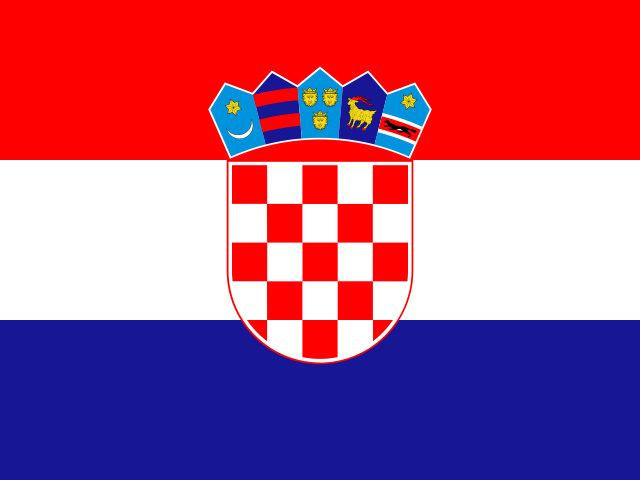 Croatia | Zagreb | 4.1 million |
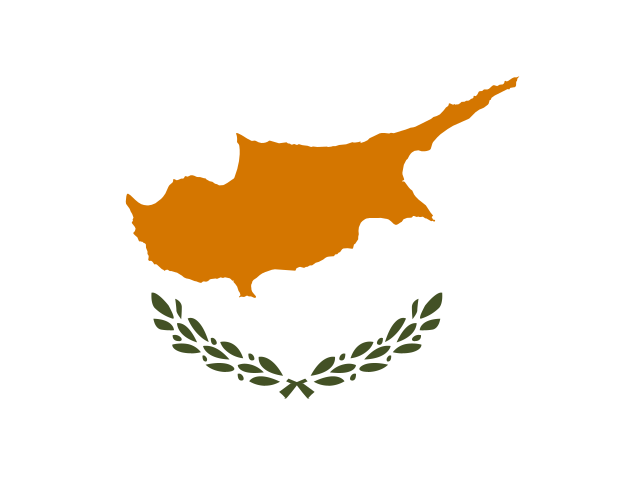 Cyprus | Nicosia | 1.2 million |
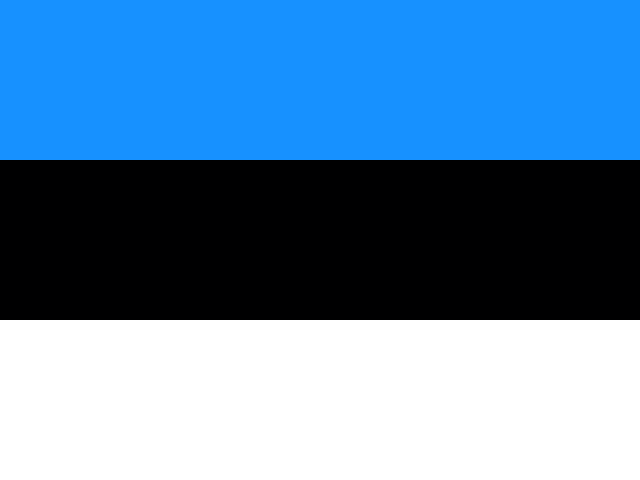 Estonia | Tallinn | 1.3 million |
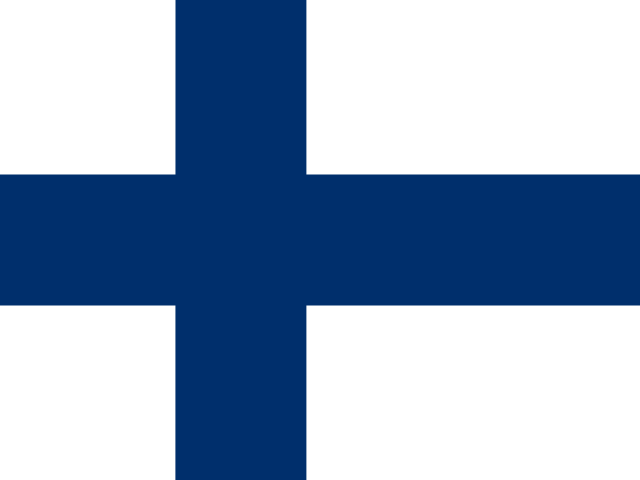 Finland | Helsinki | 5.5 million |
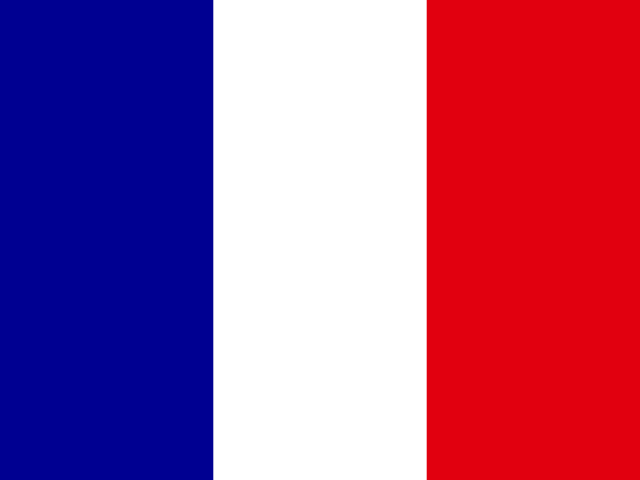 France | Paris | 67.1 million |
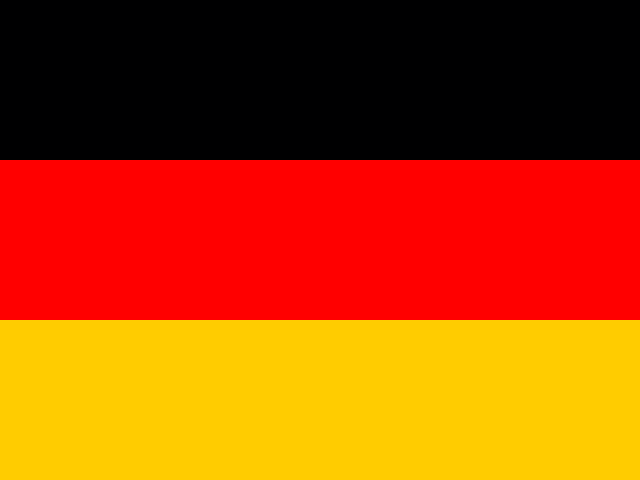 Germany | Berlin | 83.1 million |
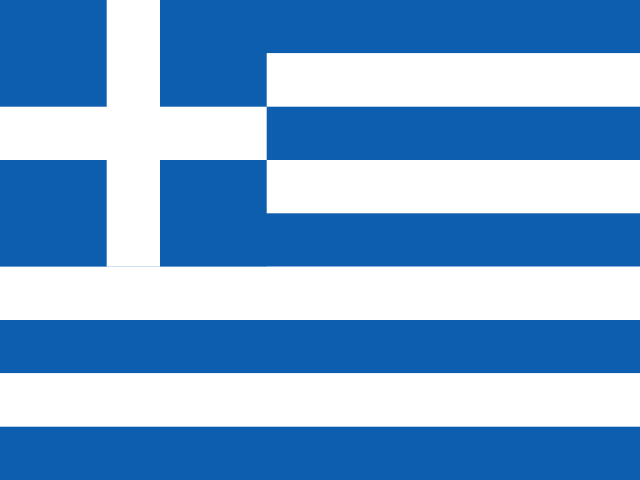 Greece | Athens | 10.7 million |
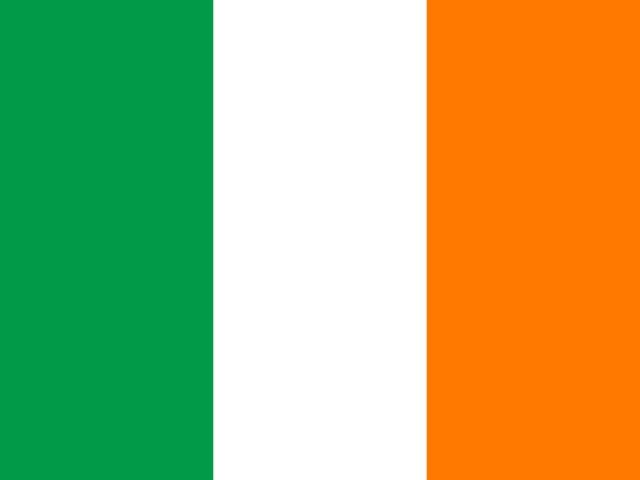 Ireland | Dublin | 4.9 million |
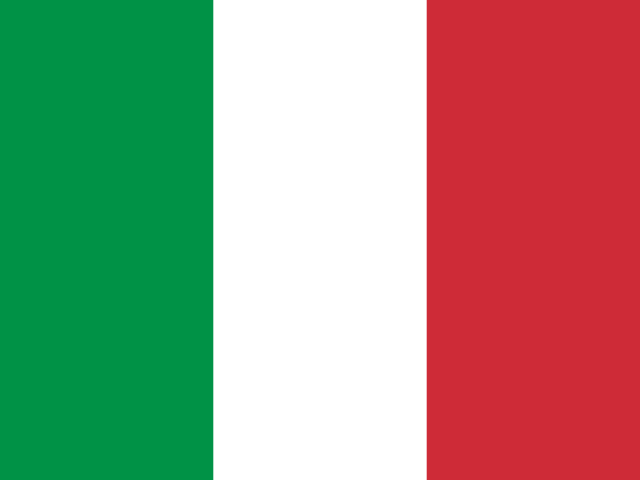 Italy | Rome | 60.3 million |
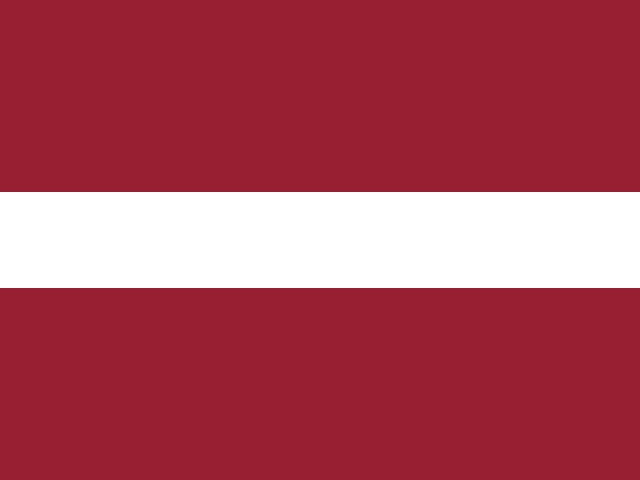 Latvia | Riga | 1.9 million |
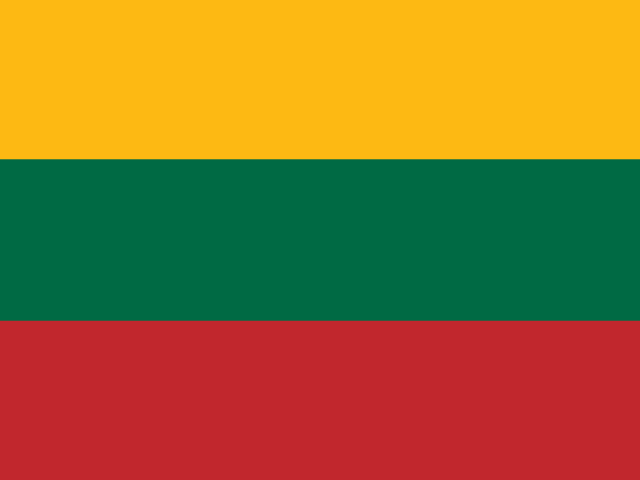 Lithuania | Vilnius | 2.8 million |
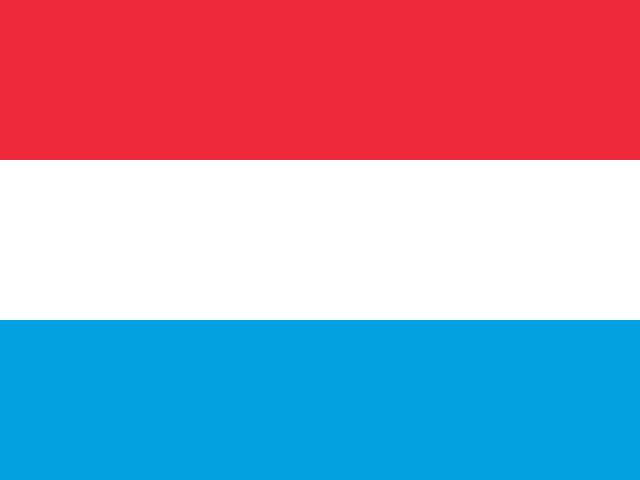 Luxembourg | Luxembourg | 619,896 |
 Malta | Valletta | 502,653 |
 Netherlands | Amsterdam | 17.3 million |
 Portugal | Lisbon | 10.3 million |
 Slovakia | Bratislava | 5.5 million |
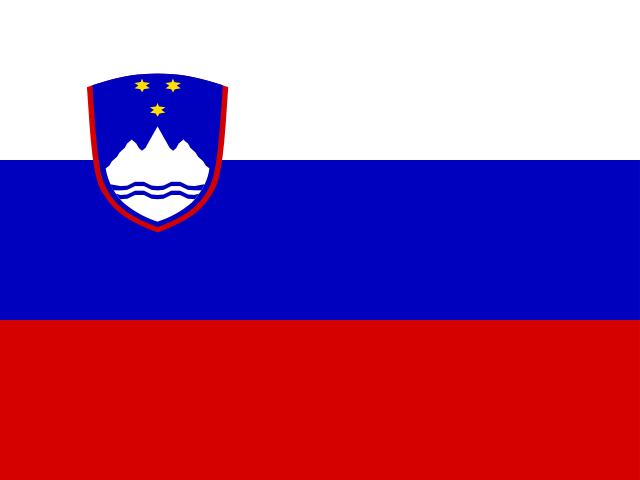 Slovenia | Ljubljana | 2.1 million |
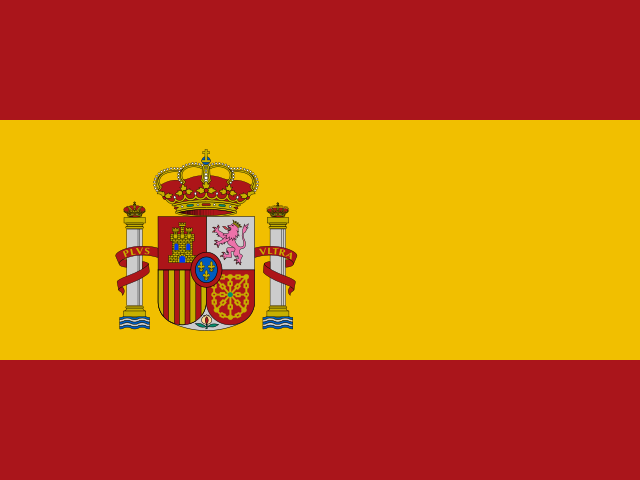 Spain | Madrid | 47.1 million |